Planning Permission at Old Wardour Castle


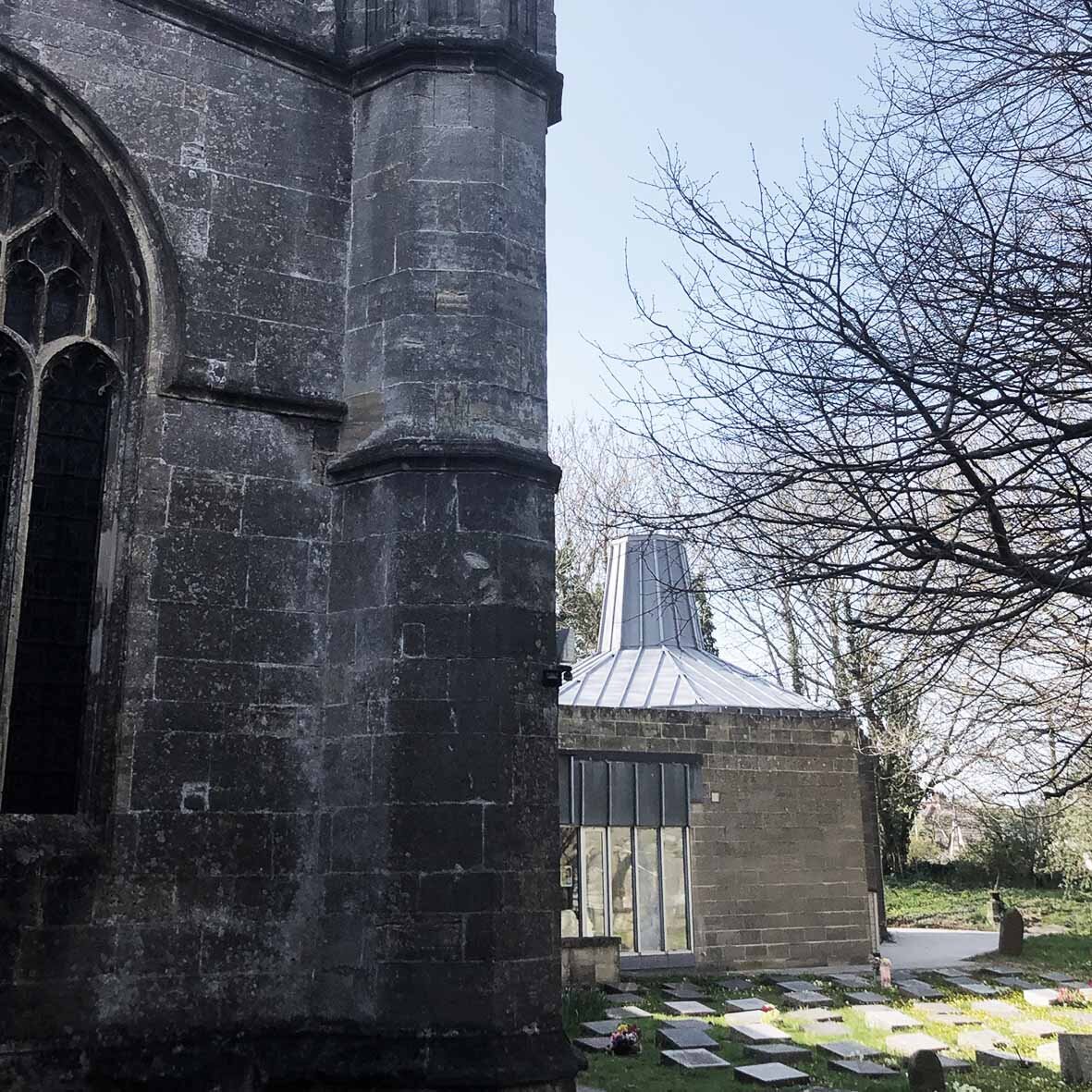
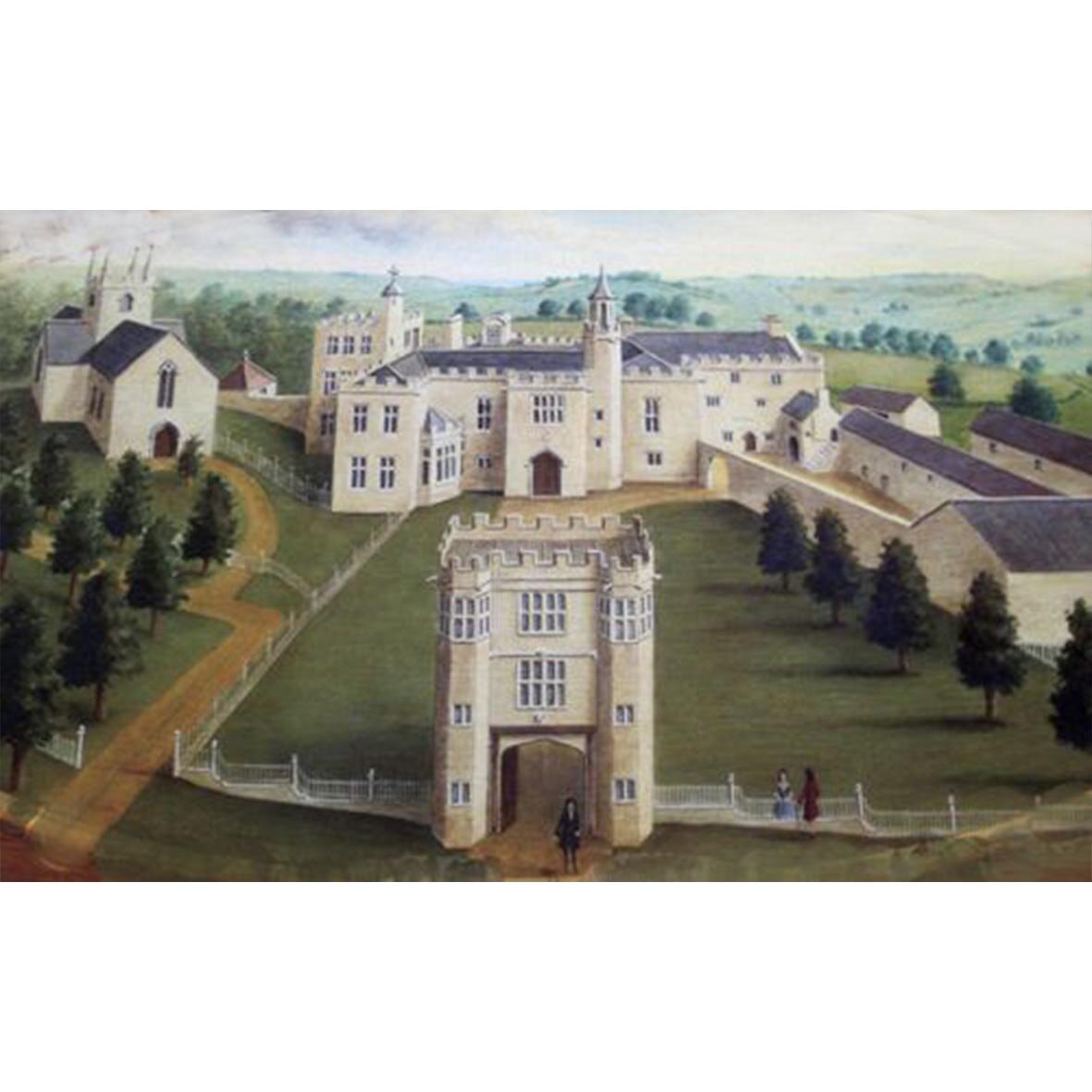
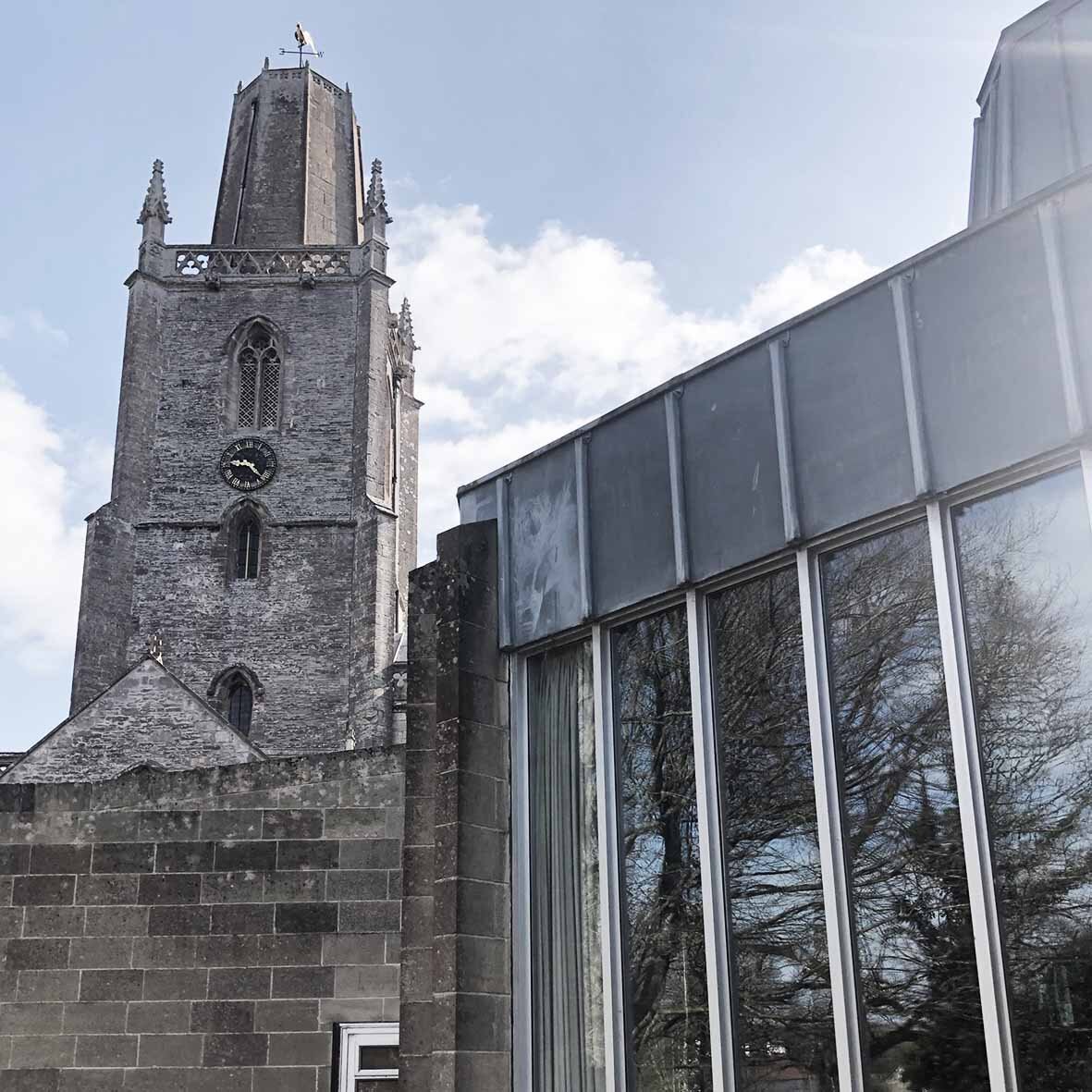
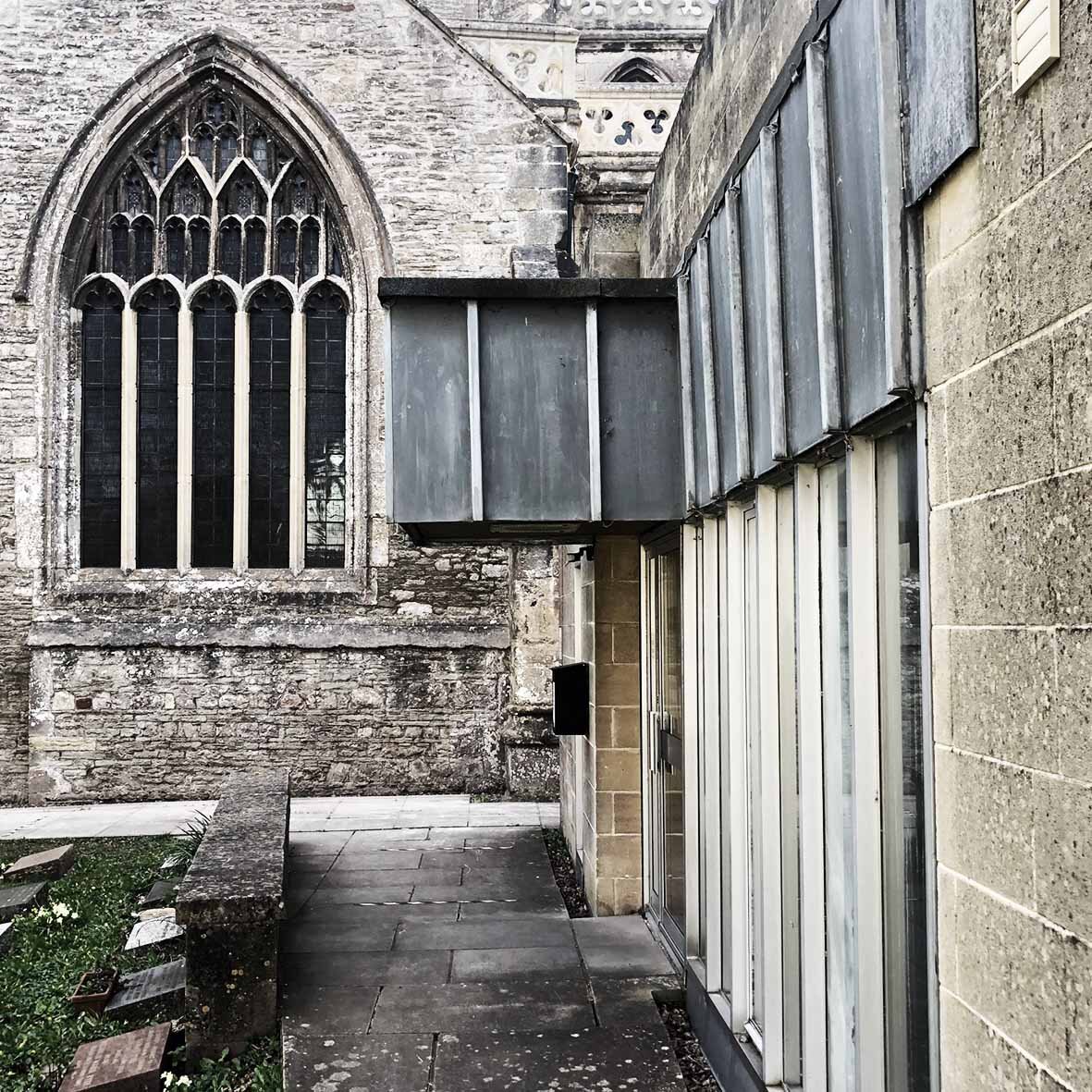
Planning Permission and Listed Building Consent has been received for Connolly Wellingham’s proposed visitor administration building at Old Wardour Castle on behalf of English Heritage.

The project is progressing through detailed design with construction programmed to commence in January 2022.

210412_Draft Elevations 01_SW.jpg
210412_Draft Elevations 02_SE.jpg
 

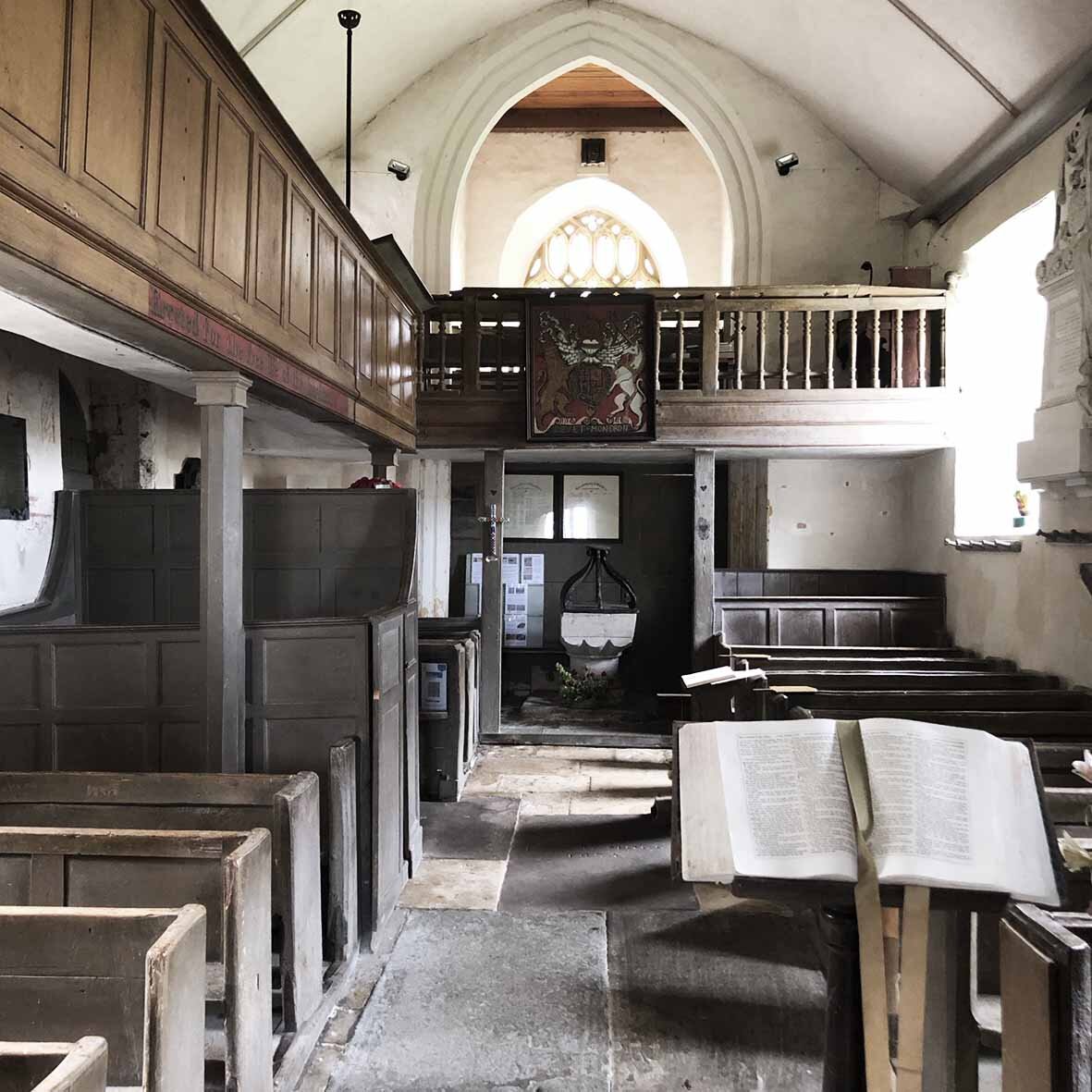
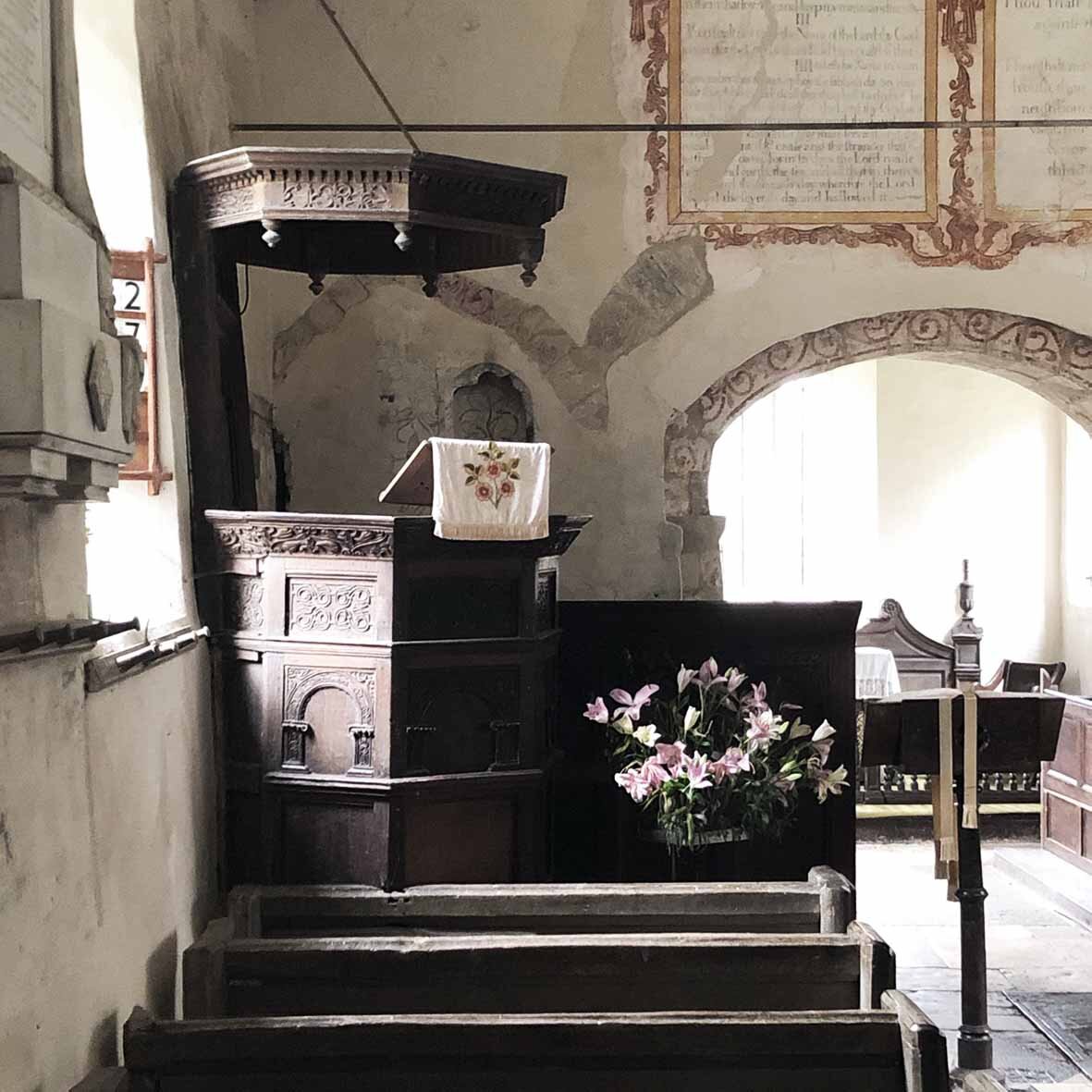
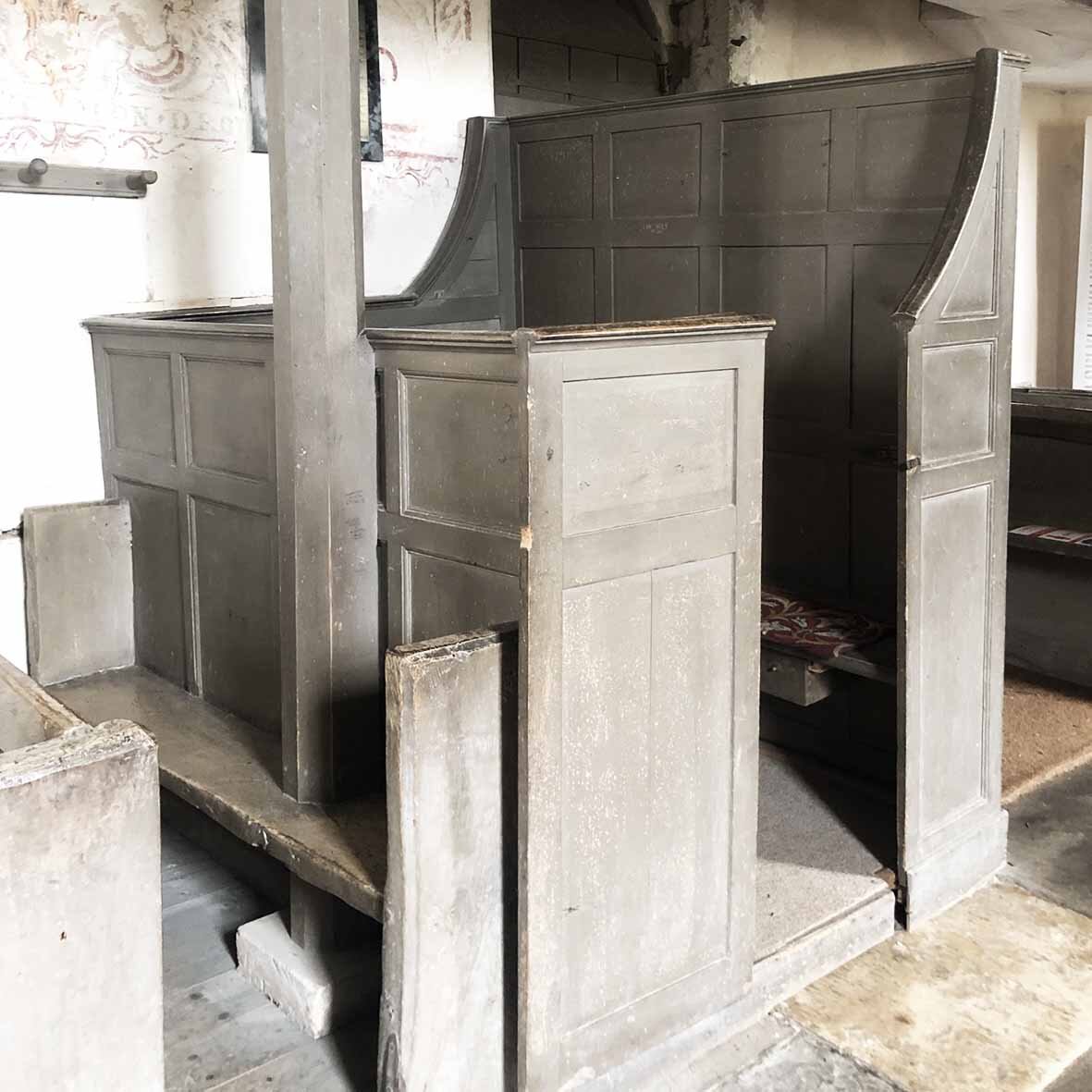
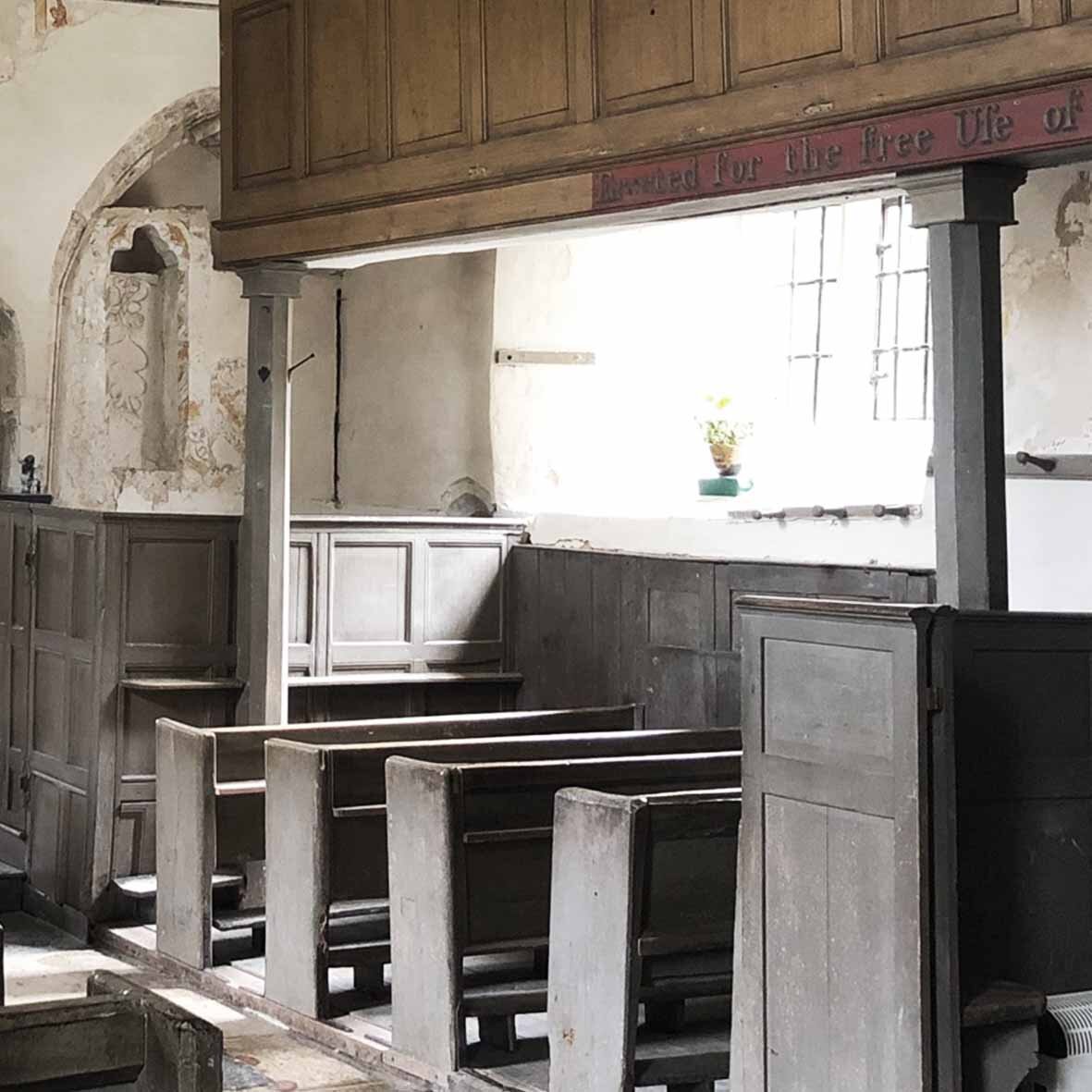
Like a city


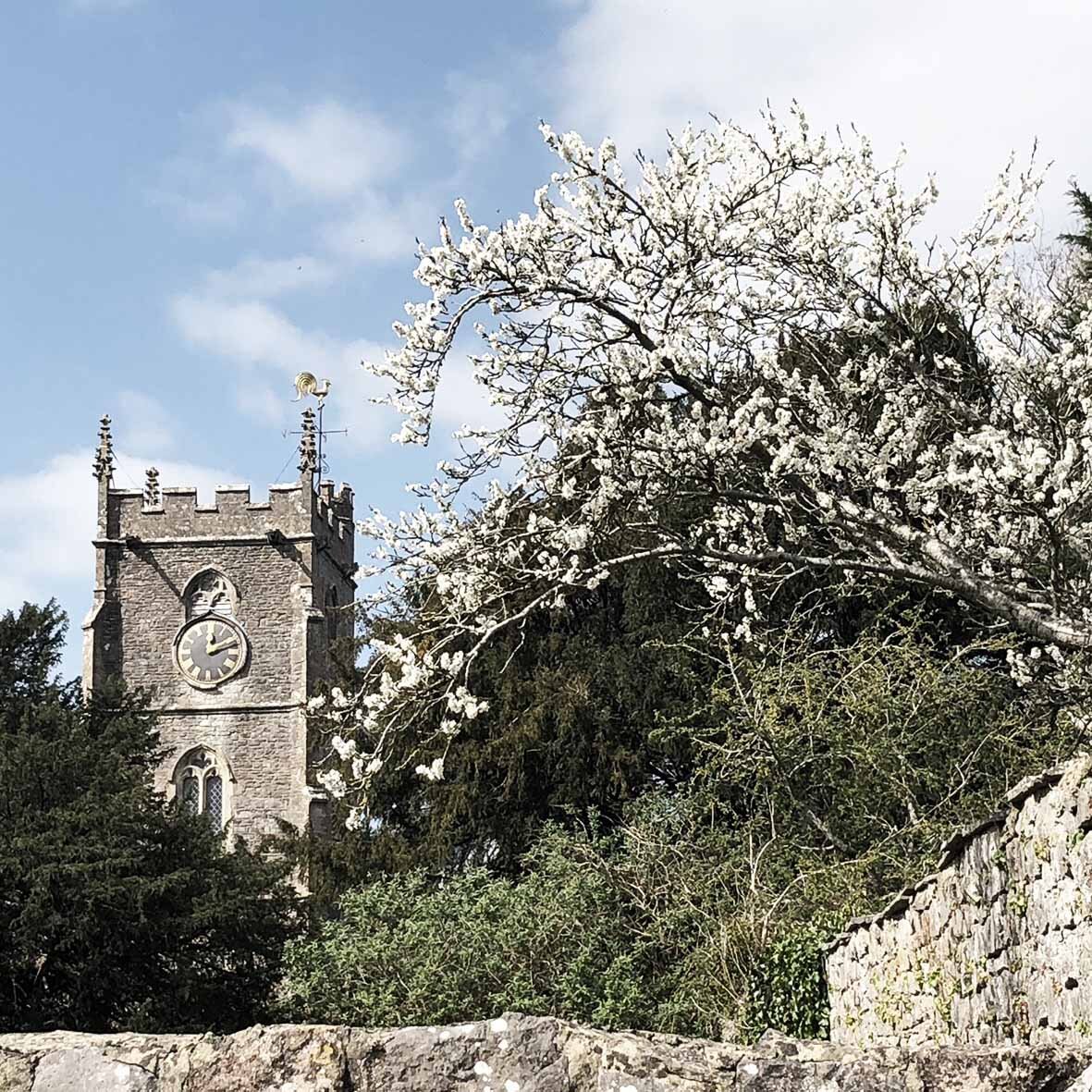
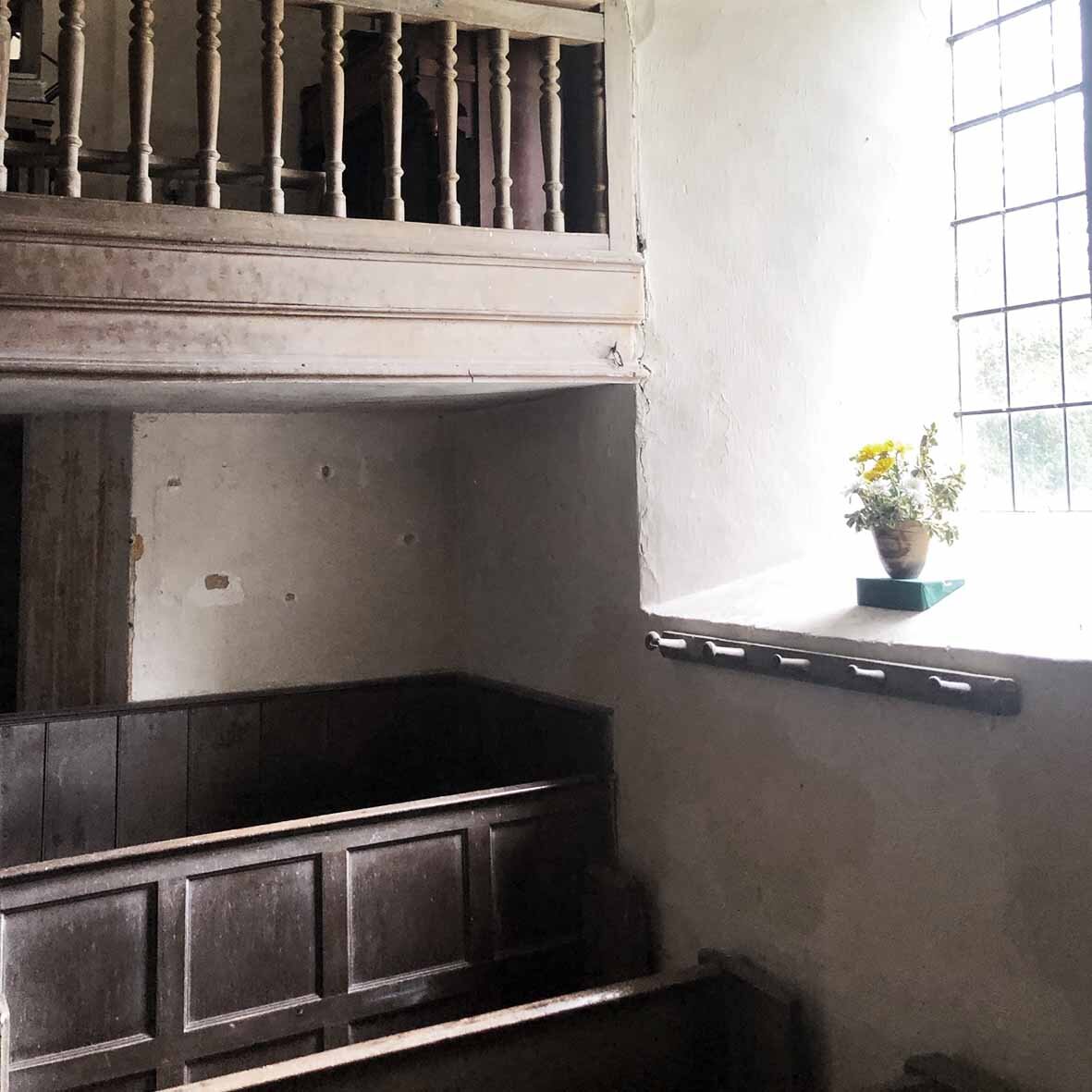
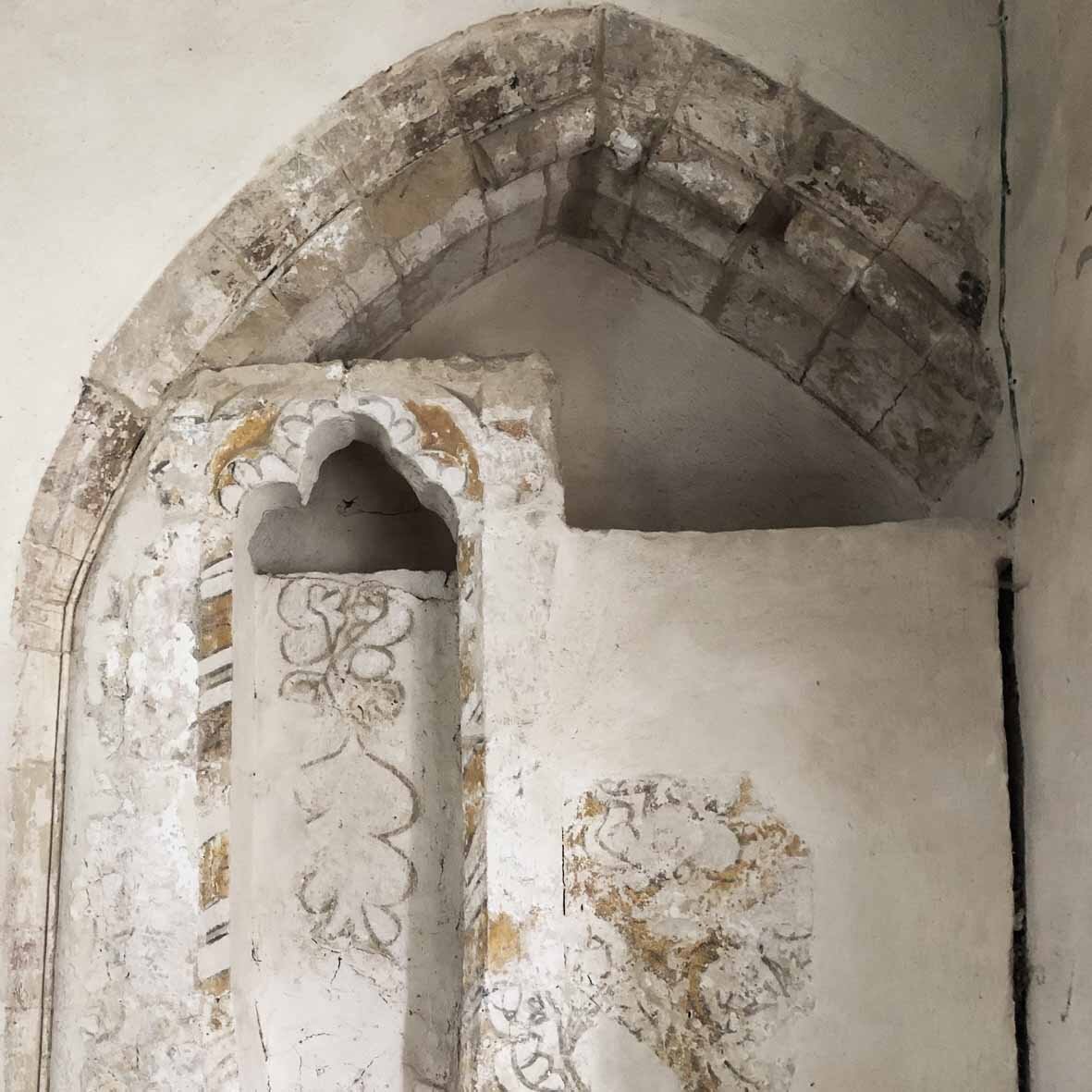
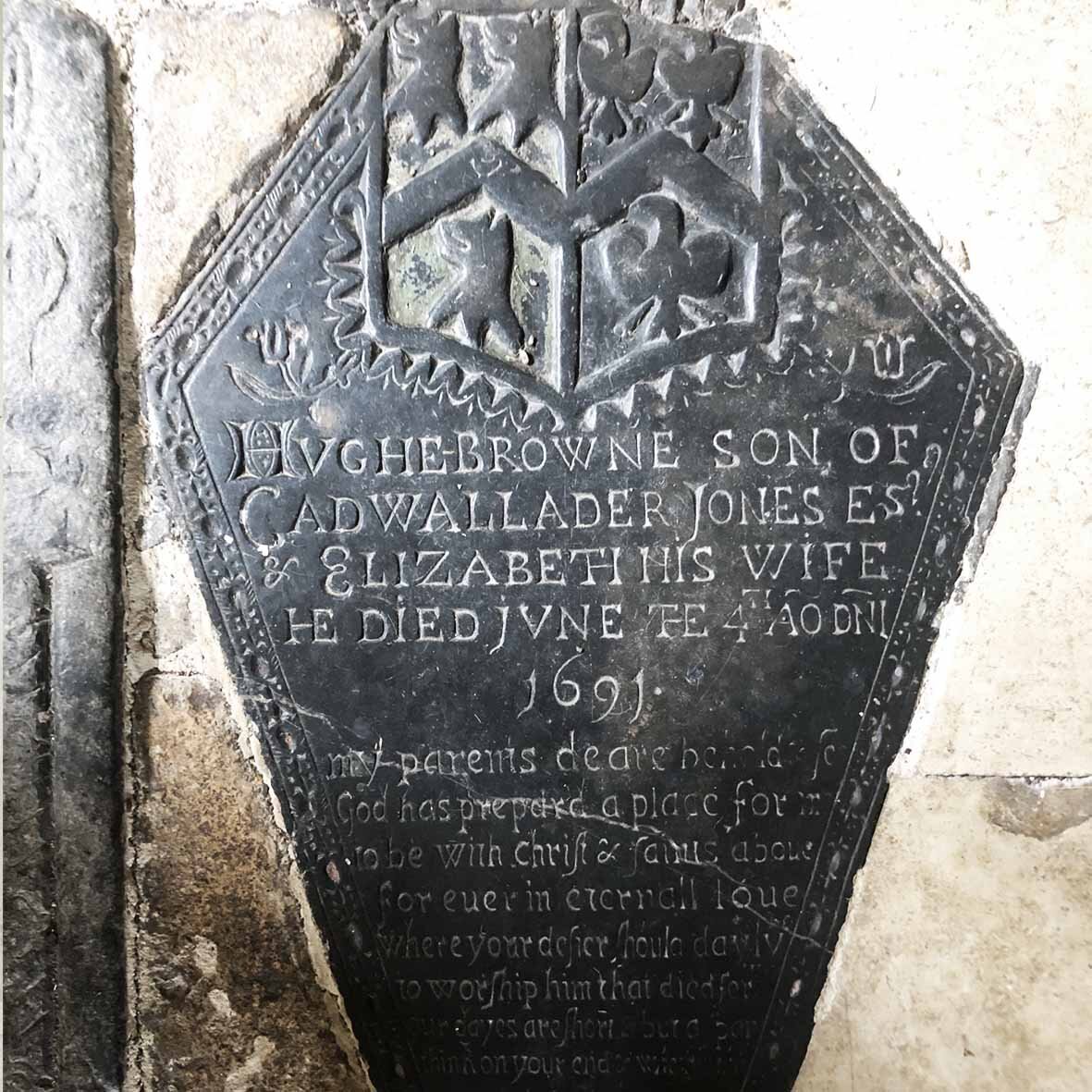
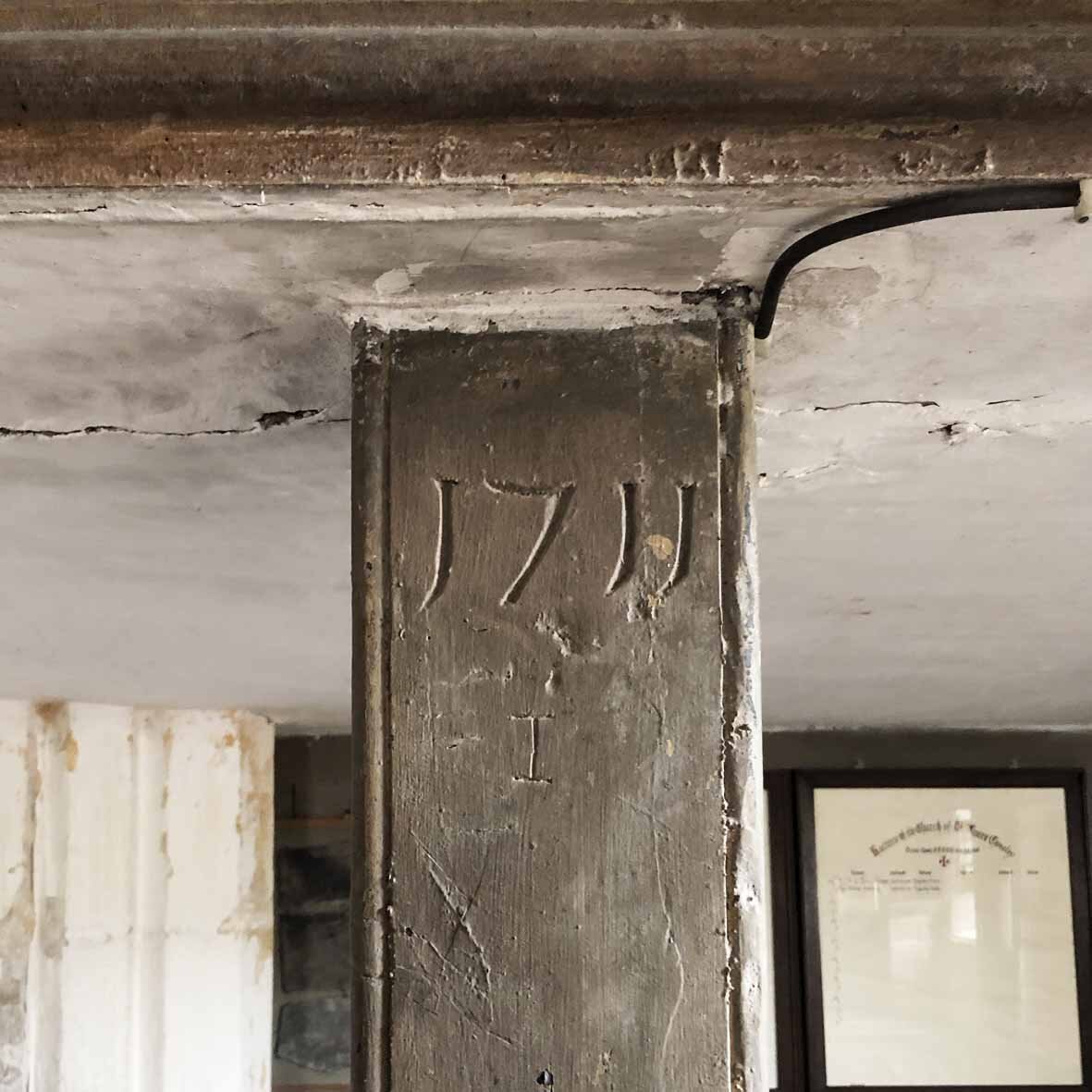
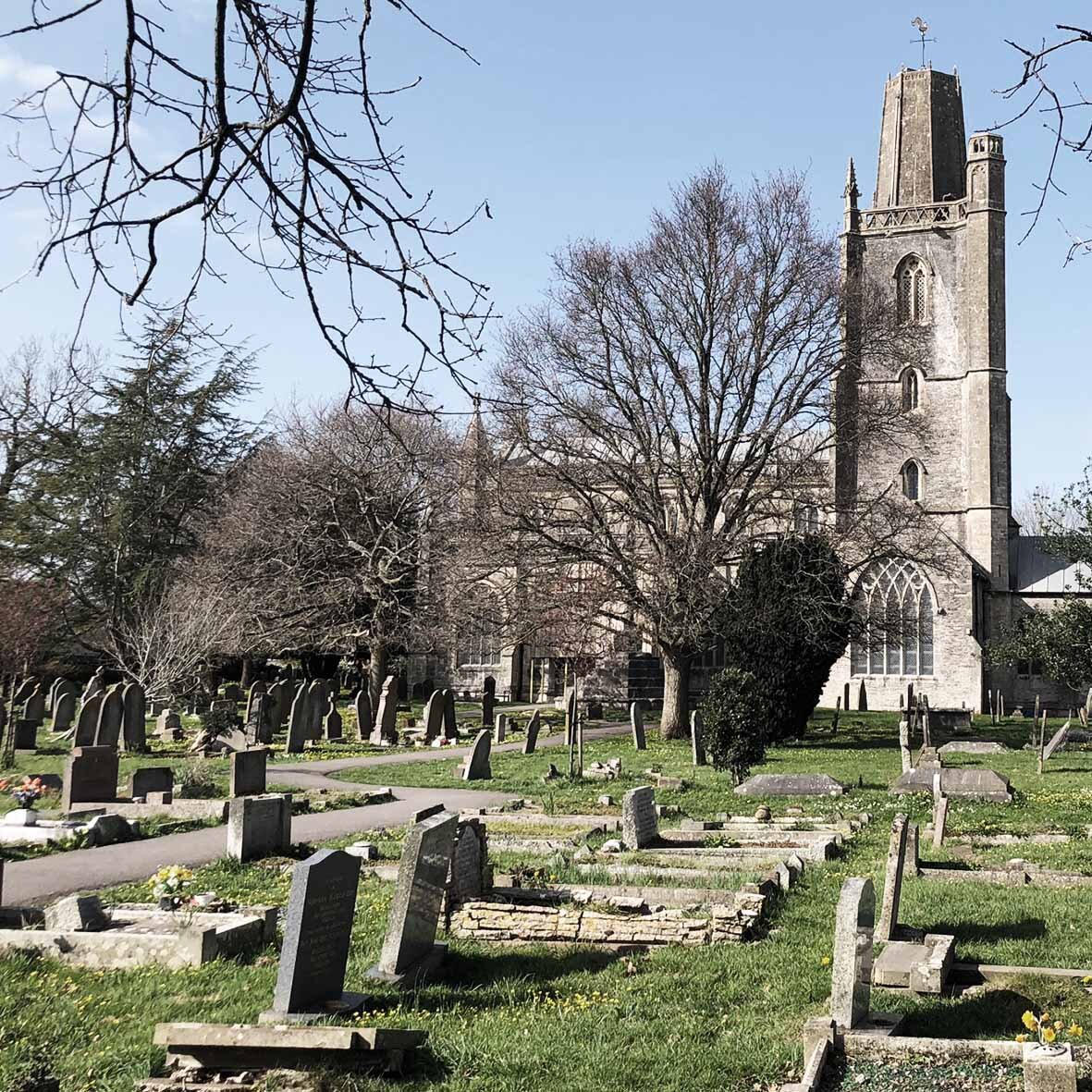
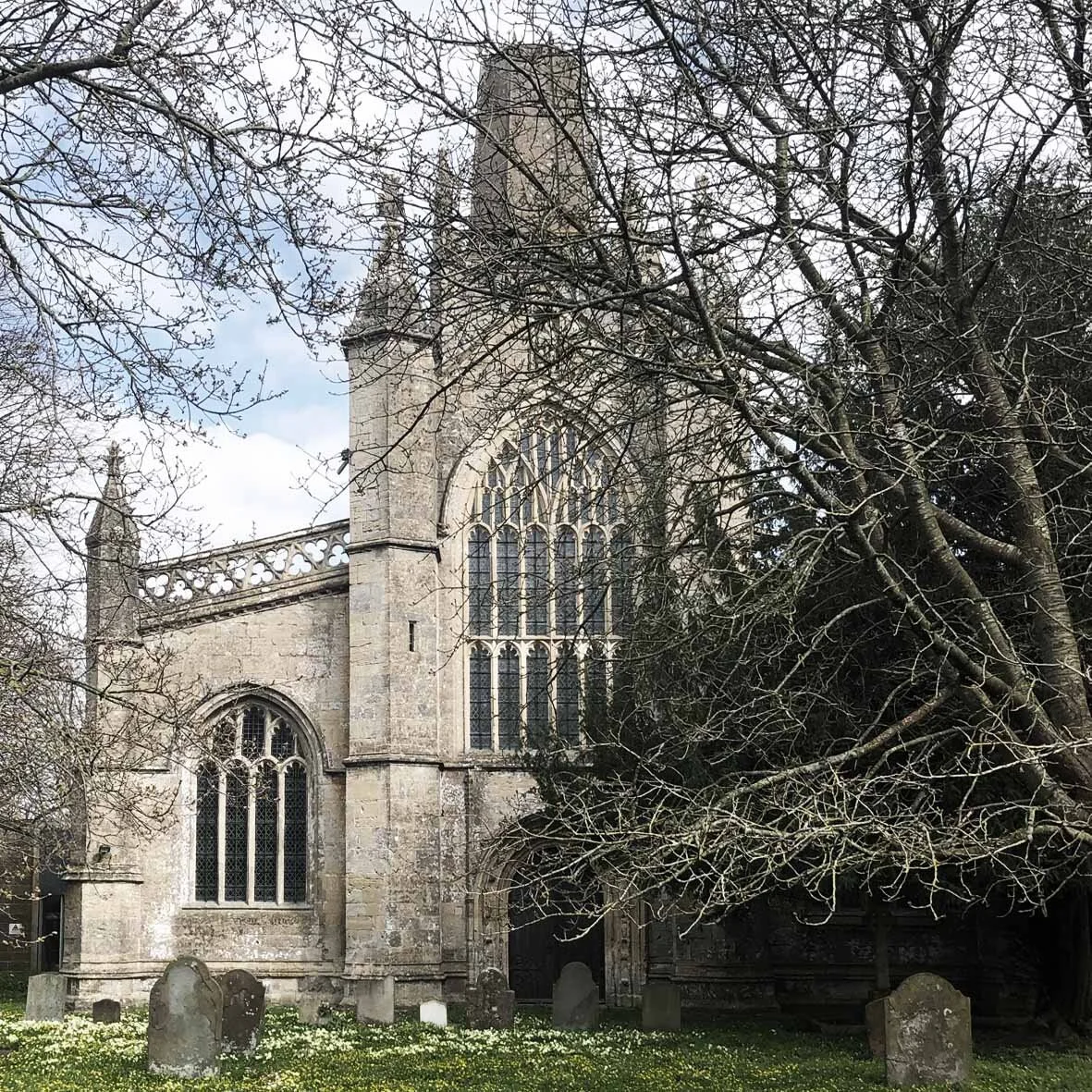
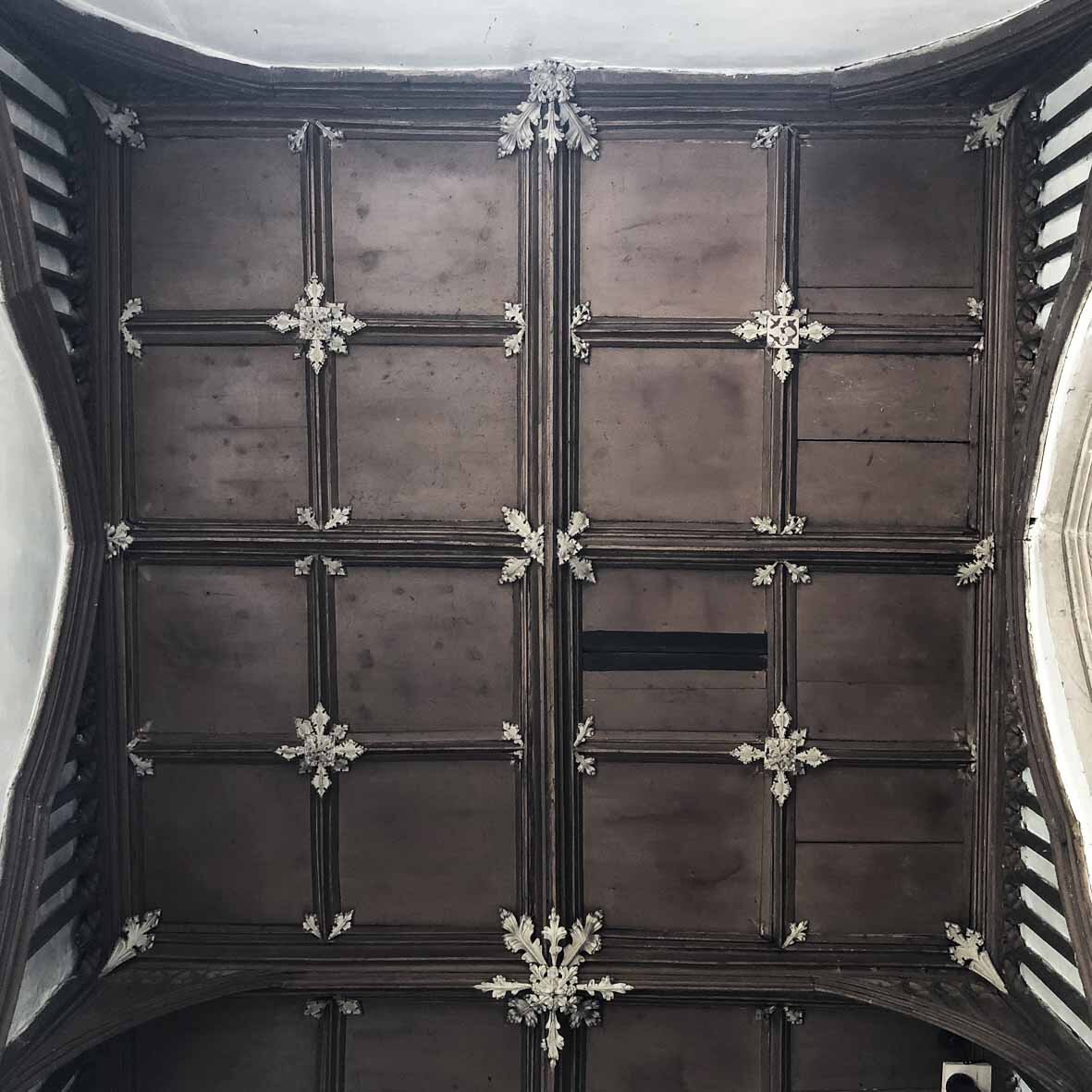
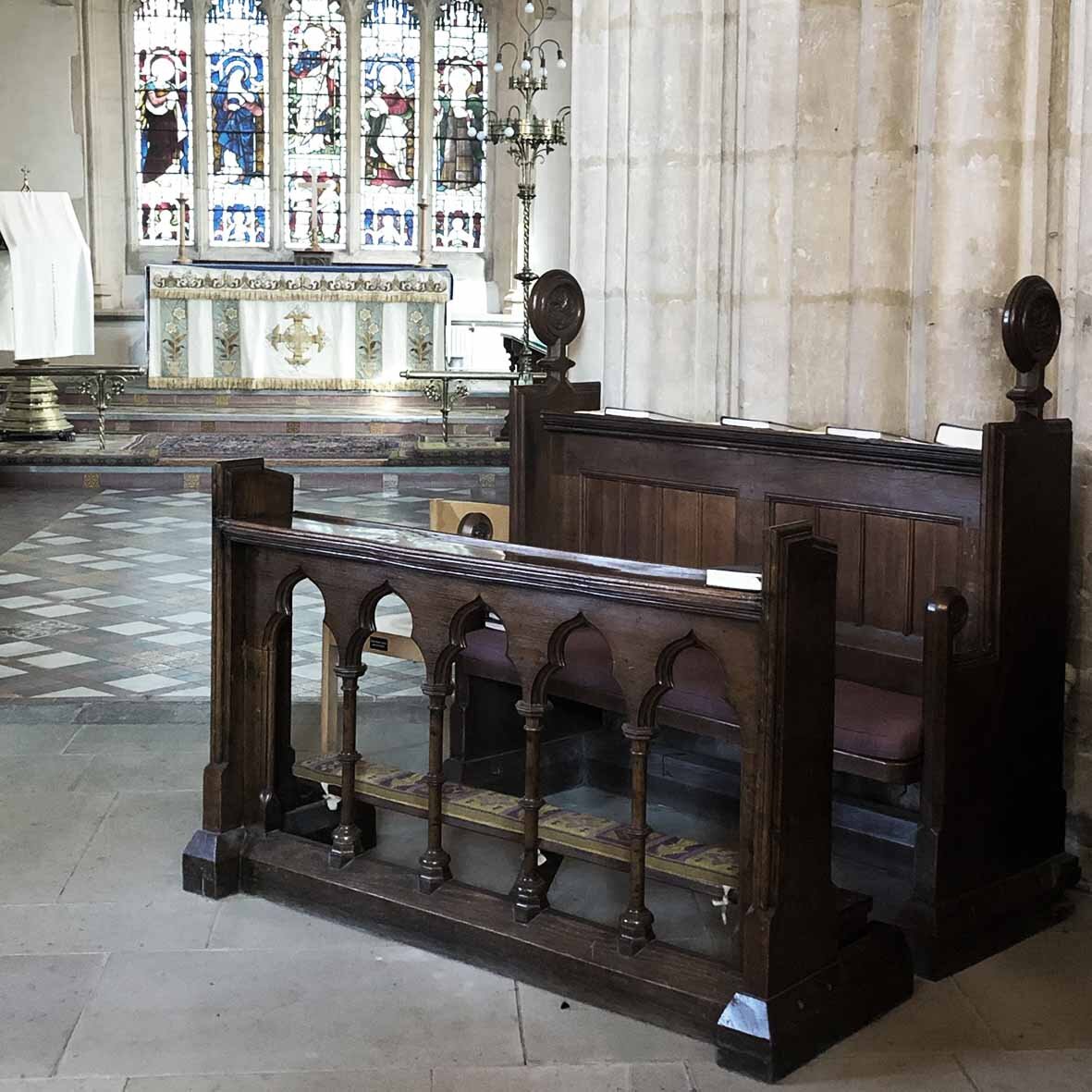
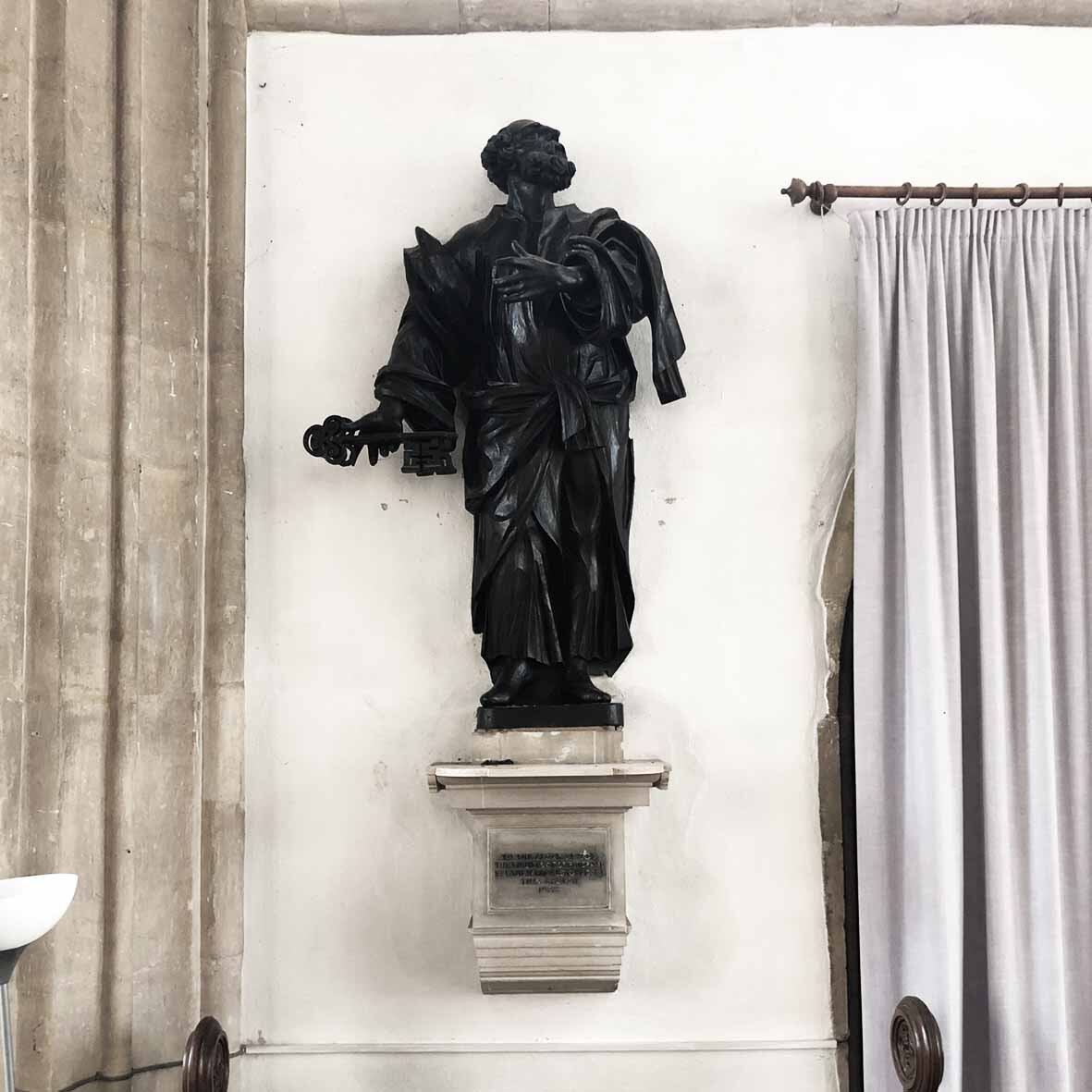
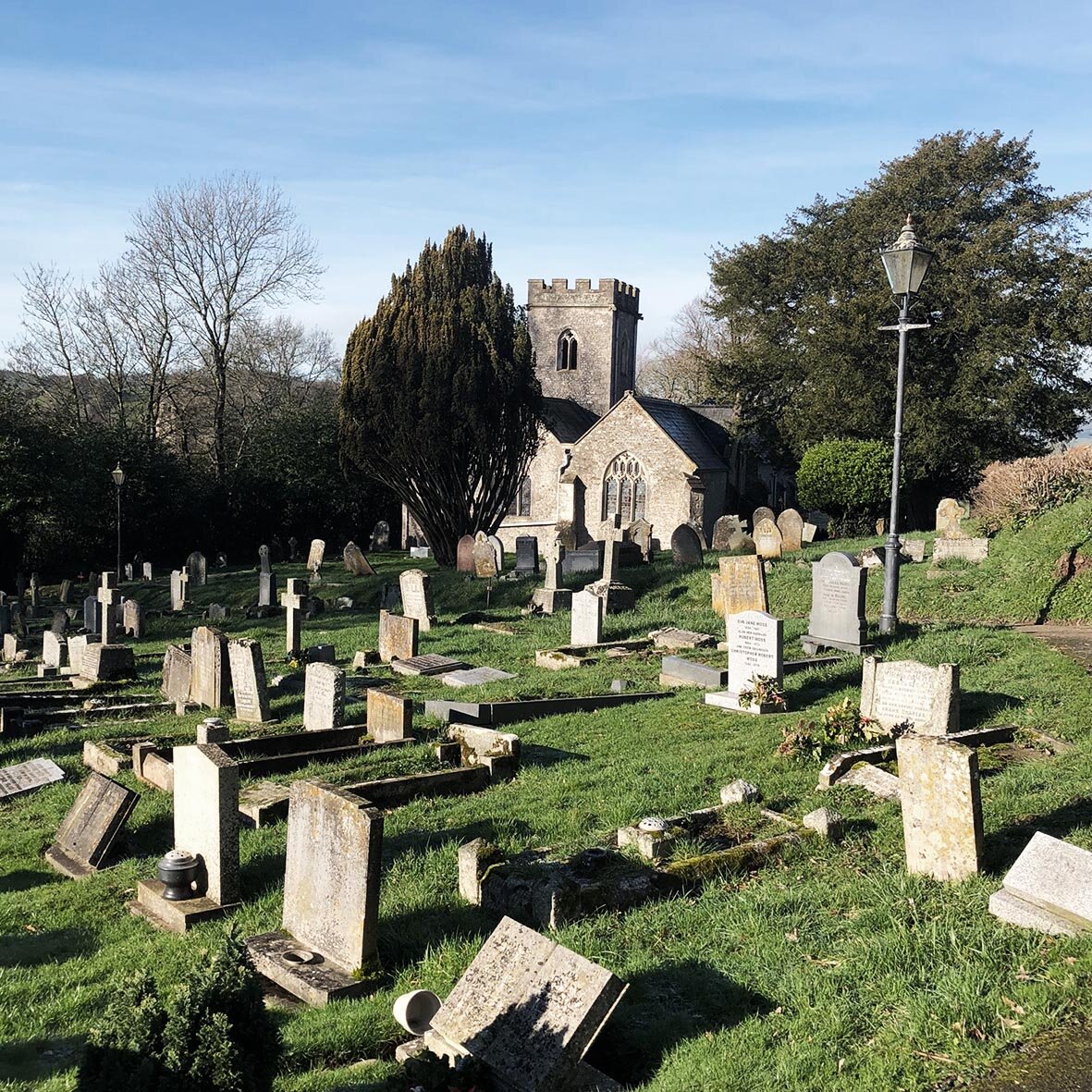
Anyone keeping a keen eye on the CWa Instagram feed recently will have noticed we have been posting ‘stories’ of photography and sketches capturing the atmosphere and detail of some of the extraordinary historic churches near to us in Bristol and Bath. We were discussing the series in the studio recently – why do we visit these churches, what do we enjoy, how do we capture imagery, why do we feel it is important to share them - and although it is all very informal we felt it could be useful to set out our intent in a blog post for any viewers who are interested to know more. Although at first glance the images repeat similar themes within recognisably familiar buildings, we hope that the curated sequential exploration of each church begins to reveal some of the less tangible beauty that we derive great pleasure from studying. The following are a few themes that recur in our conversations about churches.

1. All churches are the same, no churches are the same

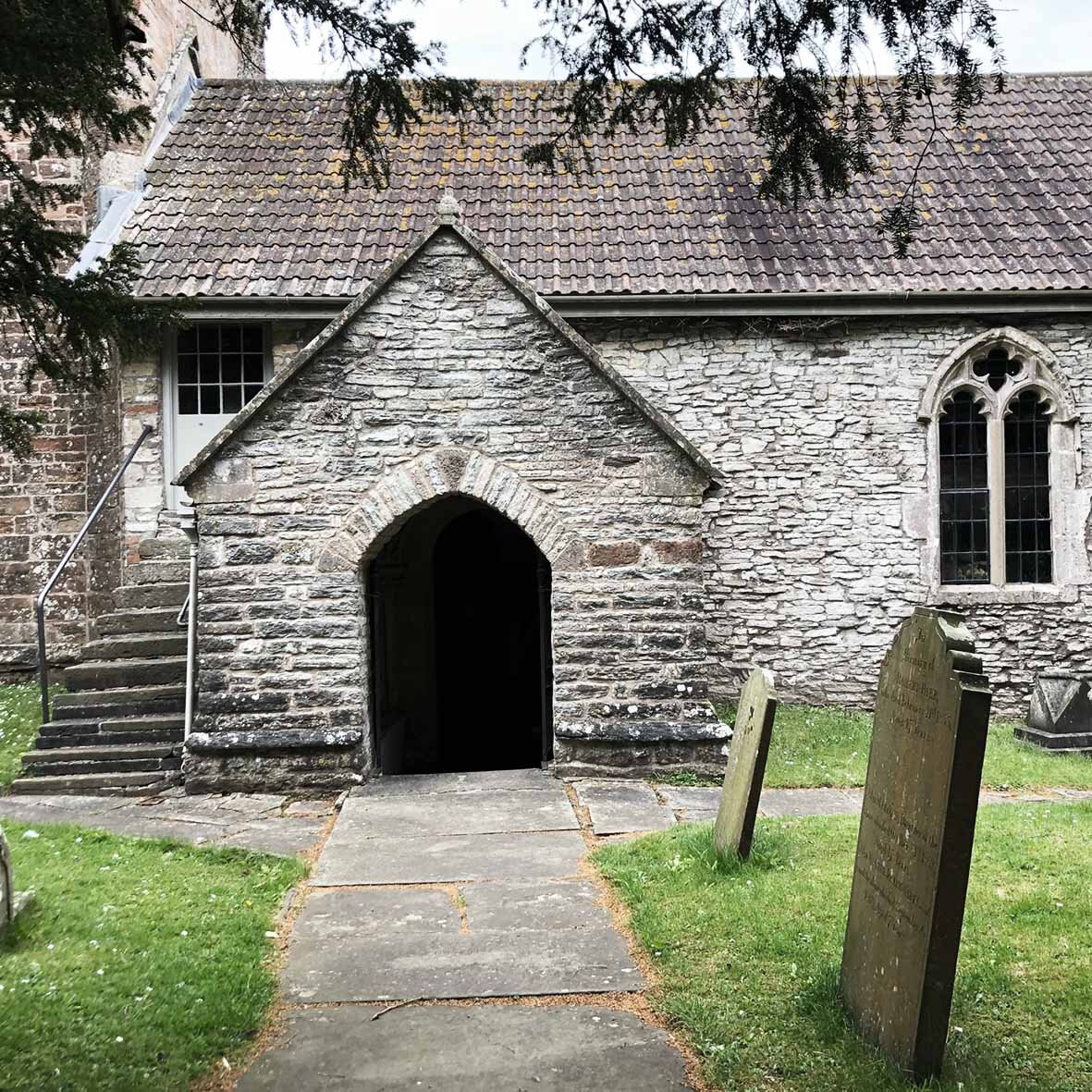
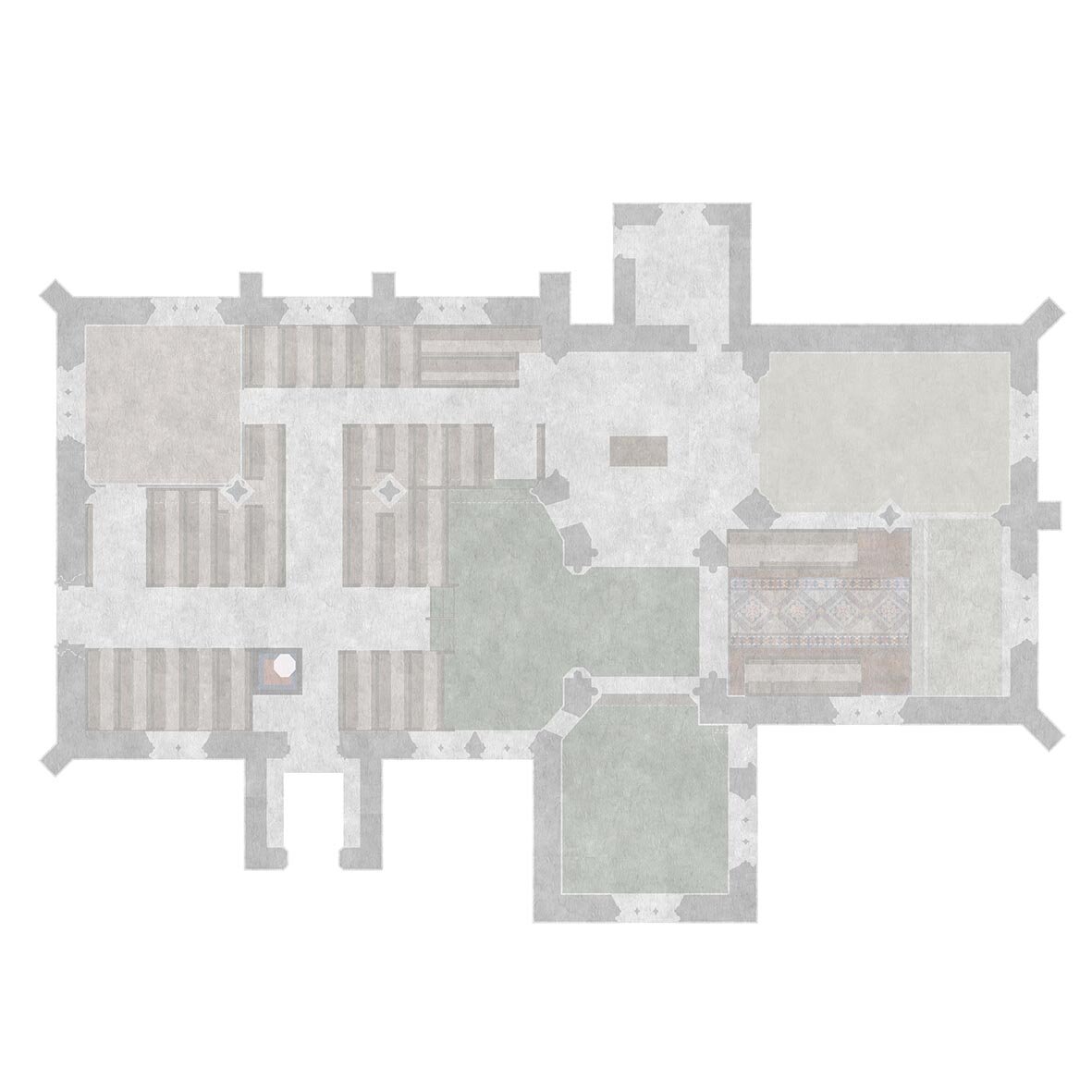
Most Church of England sites will conform to a fairly standard template for the principal arrangement of spaces and their geographical orientation – the altar sits at the east end beneath the high-status east window, the nave is usually entered from the north or south, with a ceremonial door at the west for liturgical occasions, etc. Where an individual church deviates from this standardisation is a starting point for intriguing and unexpected arrangements. There are many physical reasons why this arrangement might change – the topography of a hillside, the prevailing direction of approach on foot, an ancient tree, an earlier structure. A simple change like the location of a porch results in a ripple effect of reactions throughout the rest of the space – the placement of the font will respond to the location of the door, the route from the vestry to the font may influence the direction of an aisle through a set of pews, the placement of a lectern or pulpit will respond to the distribution of the pews. These chain reactions are furthered when items are altered, added or moved – a redecoration, a high-status monument, a legacy fund for a memorial pew. Additive changes may cover over earlier conditions (fitted furniture or wall memorials), but relocations are equally likely to uncover them (forgotten floor ledgers, scraps of wall painting).

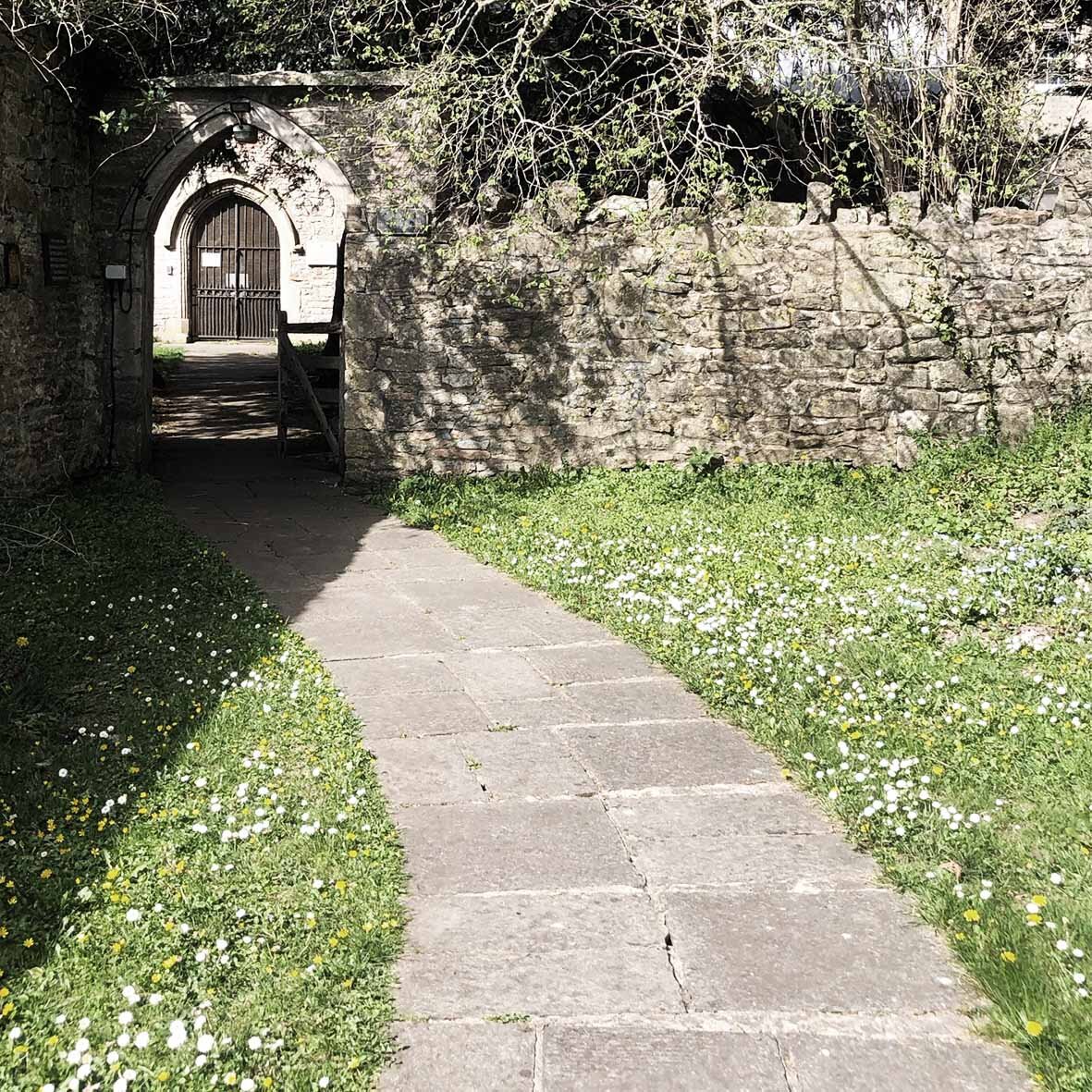
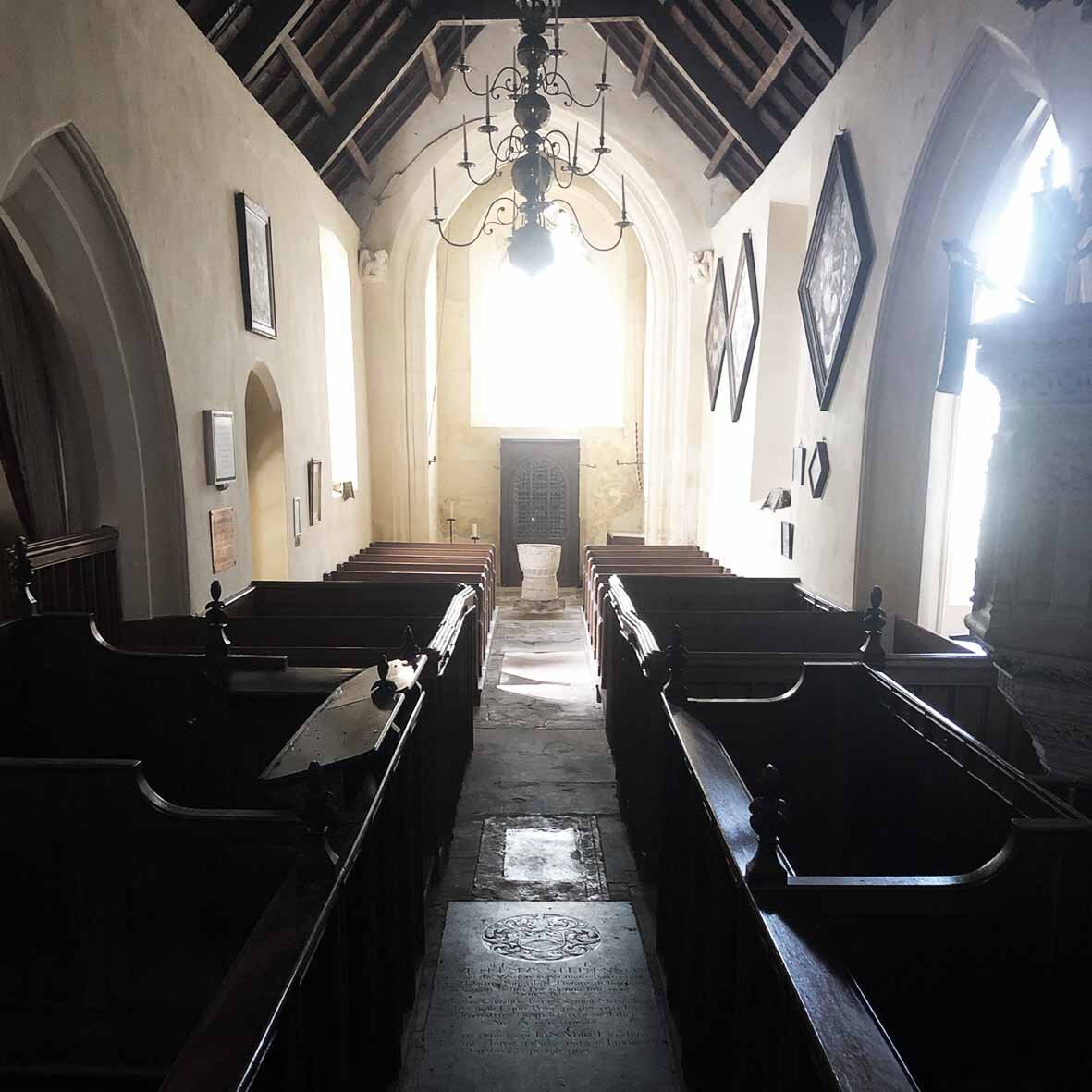
210520_Puxton 01.jpg

2. A church interior is like a city

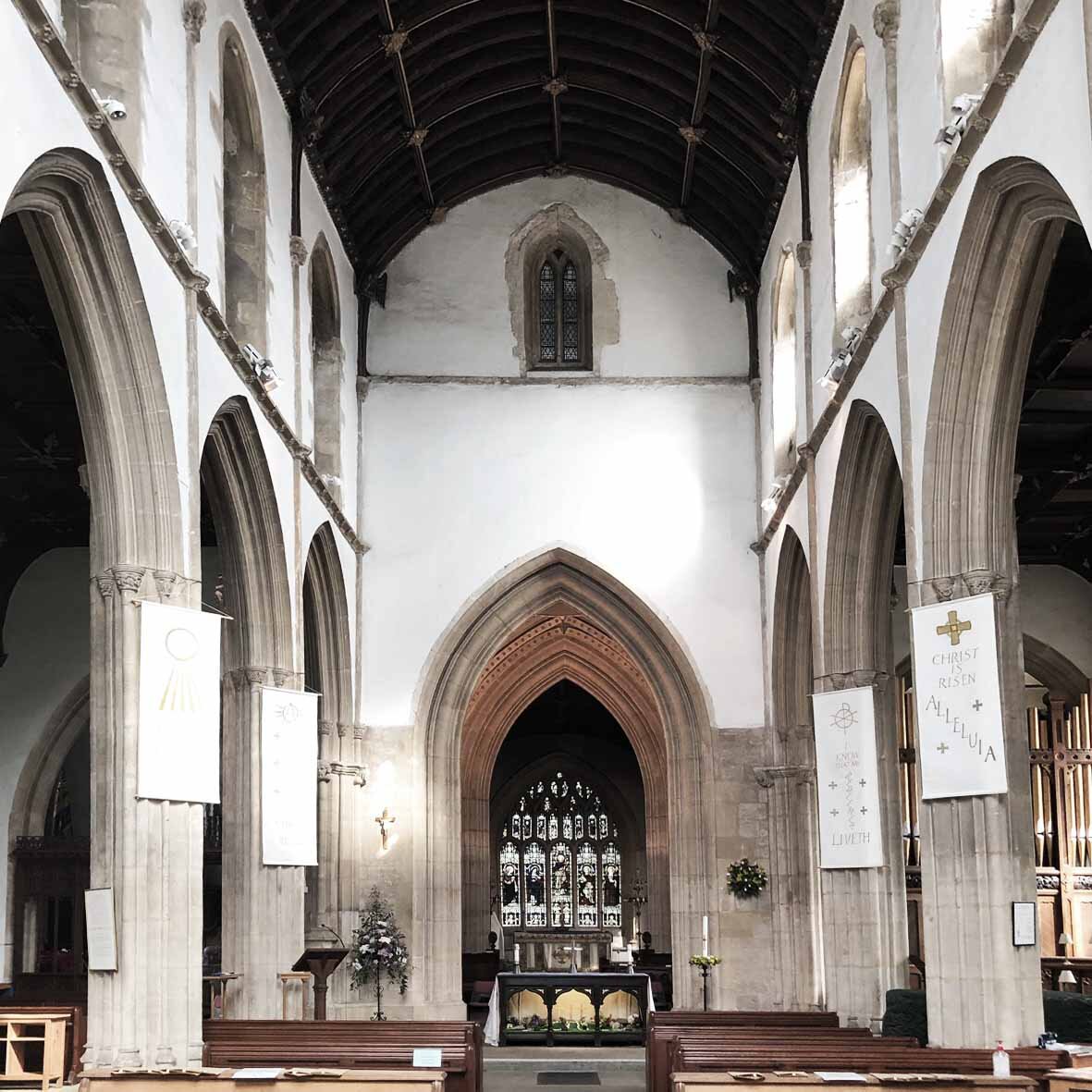
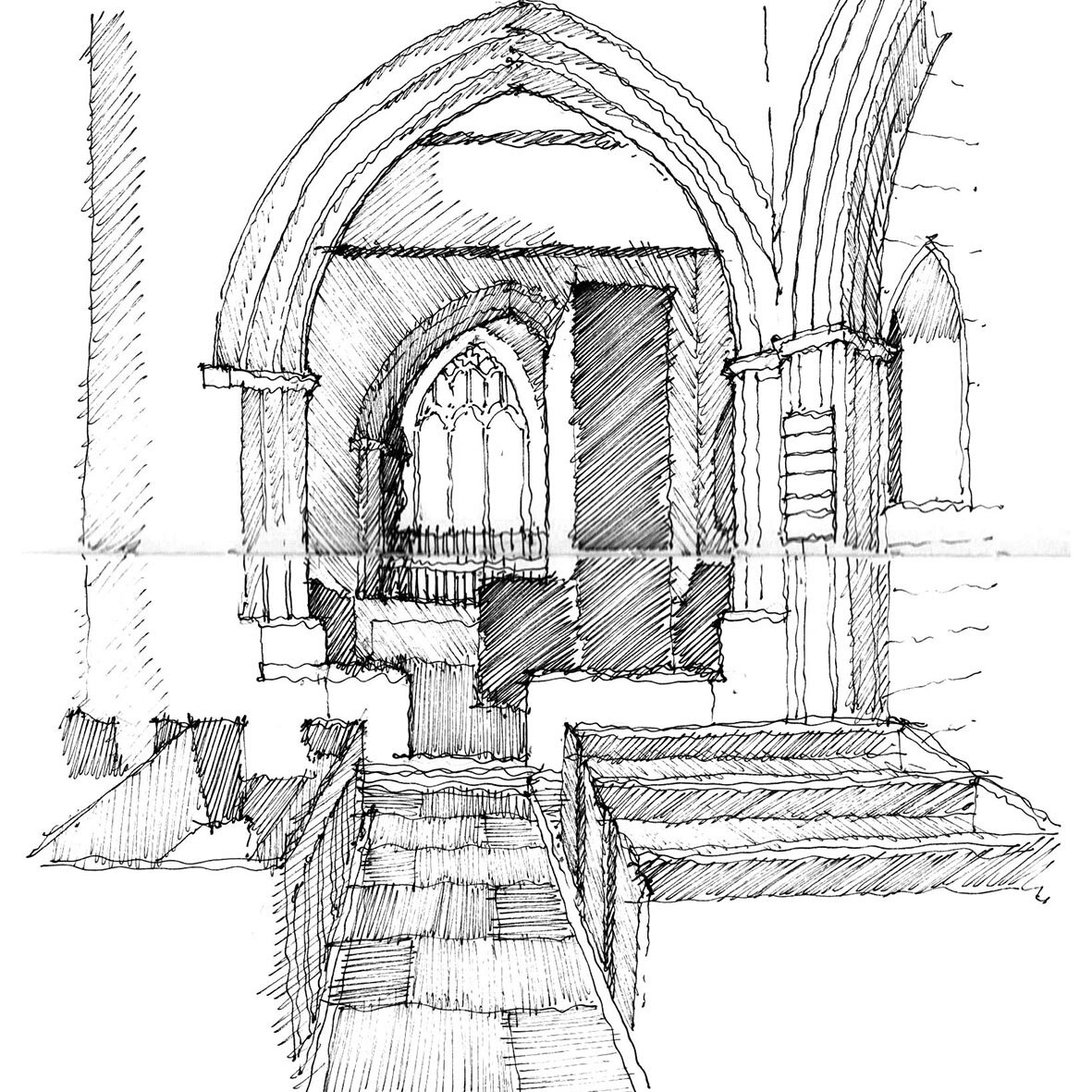
We are fascinated by the parallels that occur across scales in architecture, and we actively nurture these compelling ambiguities in the new work we design. All of the reasons why we love the jumbled accretion of an historic city can be found in the evolution of a historic church interior. Consider a church nave as a public square (which we would strongly argue it is) – the windows and monuments of the outer walls are the facades of the public fronting buildings, each one with their own proportion and logic, with their differences sitting comfortably alongside one another and often in direct dialogue. The movement or introduction of furniture within this void becomes an urbanism exercise of desire lines, eyeline vistas, hierarchy, subservience, connection and separation – liturgically as well as physically.

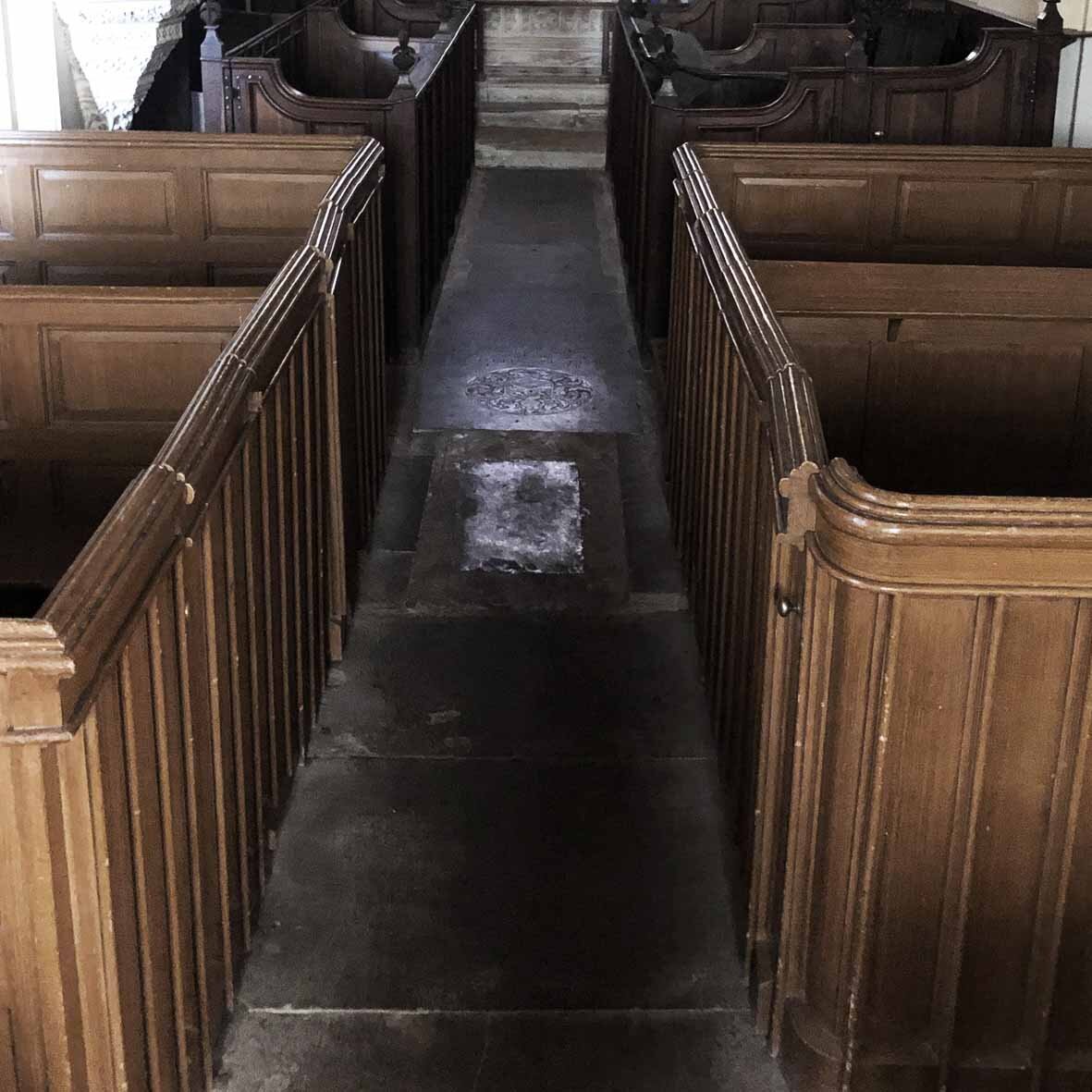
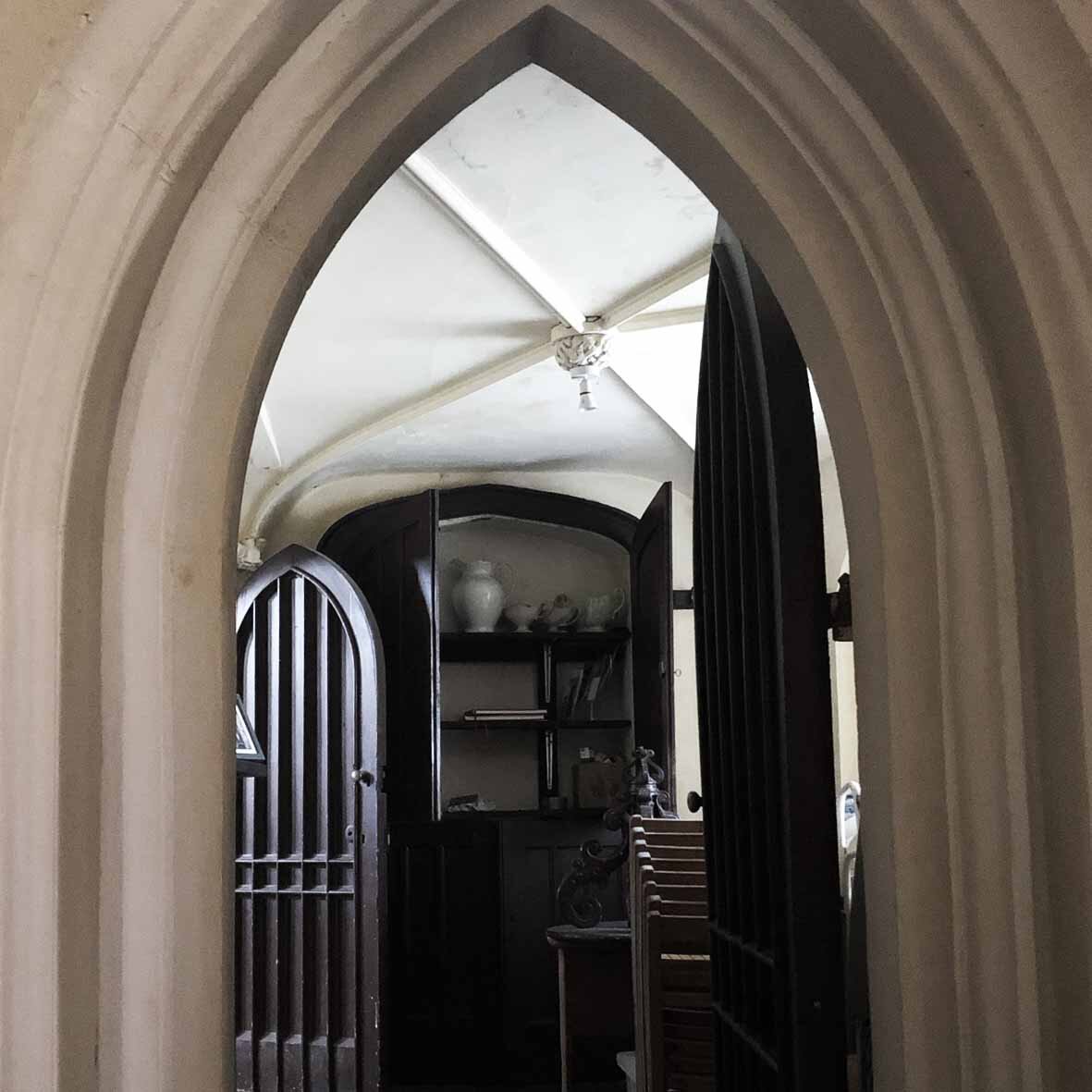
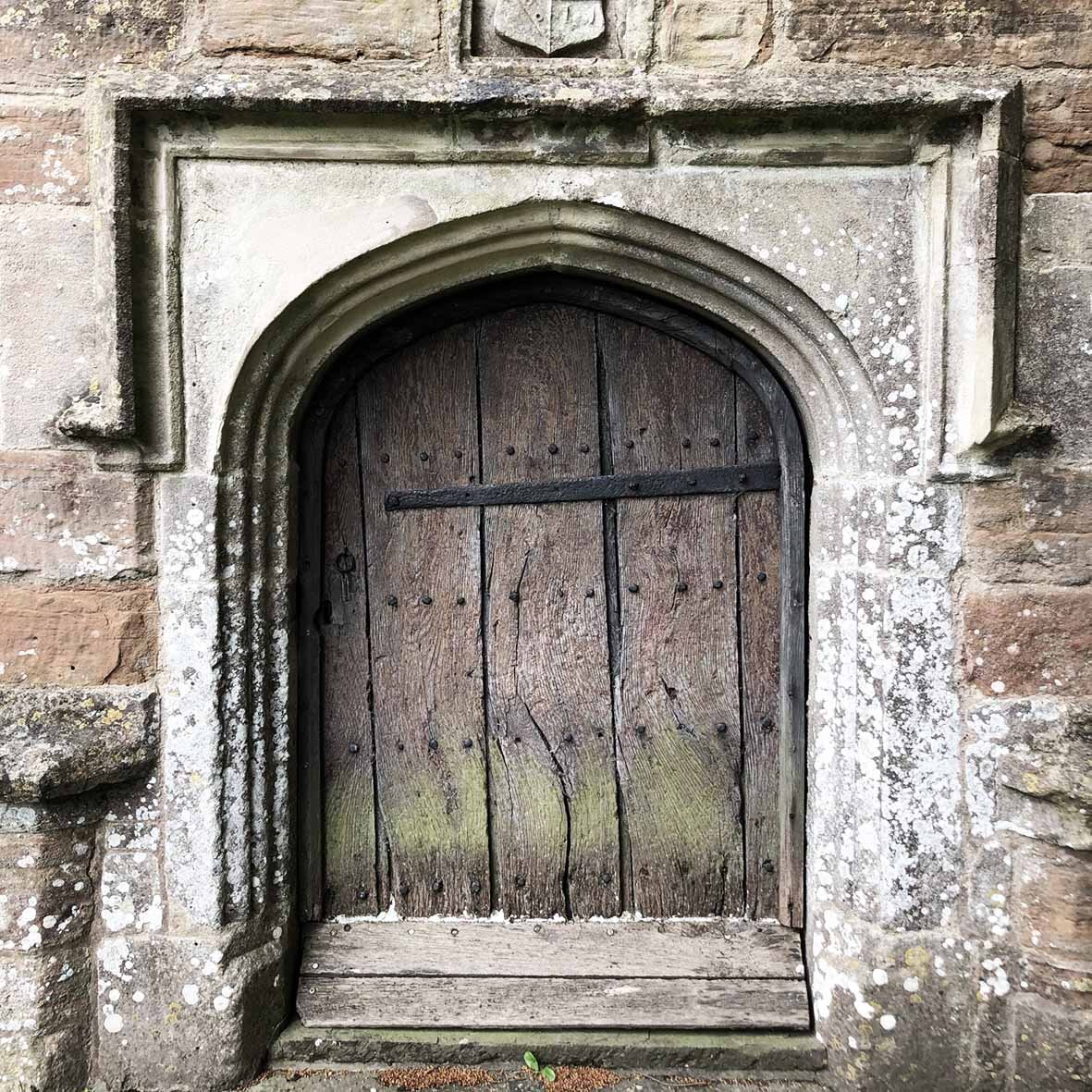
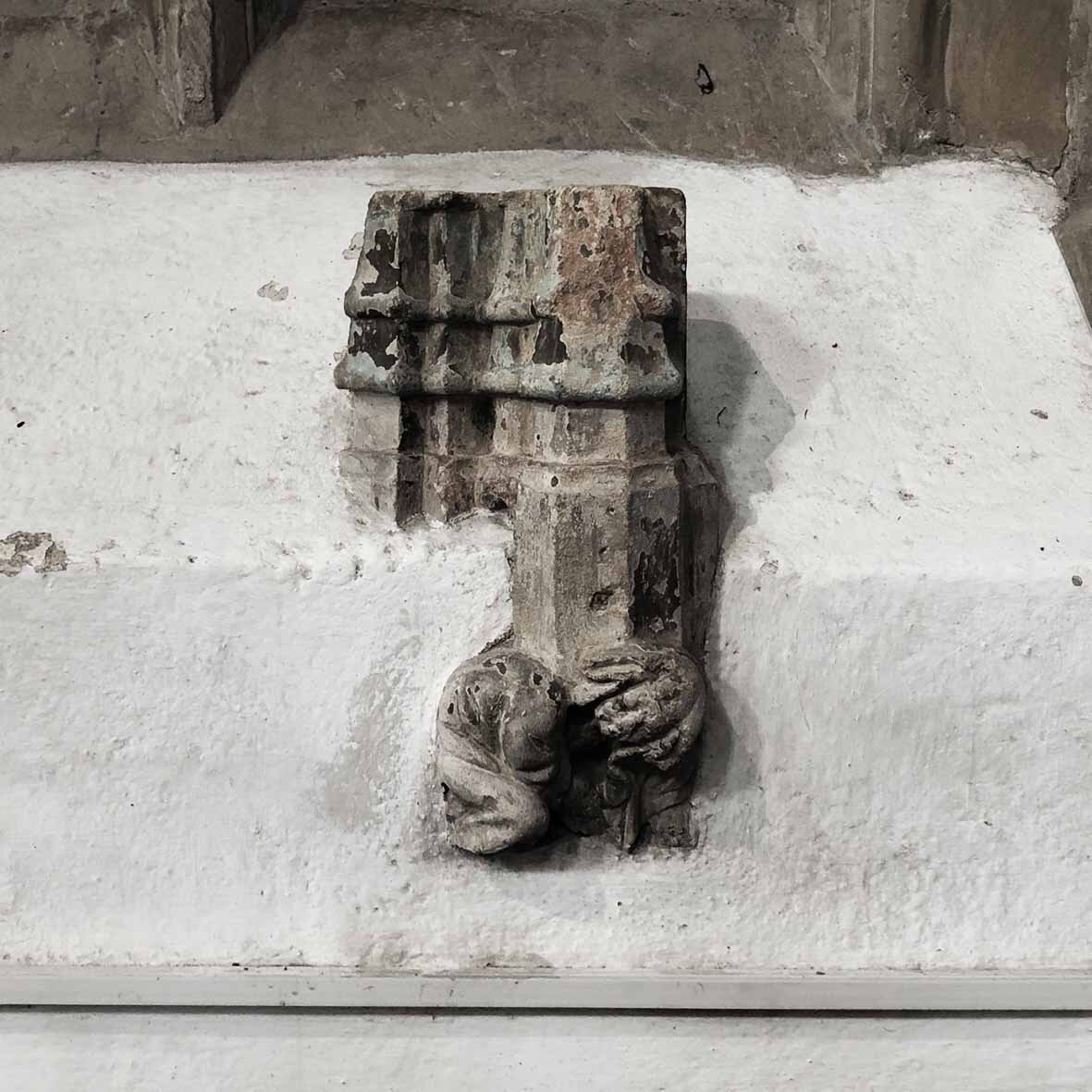
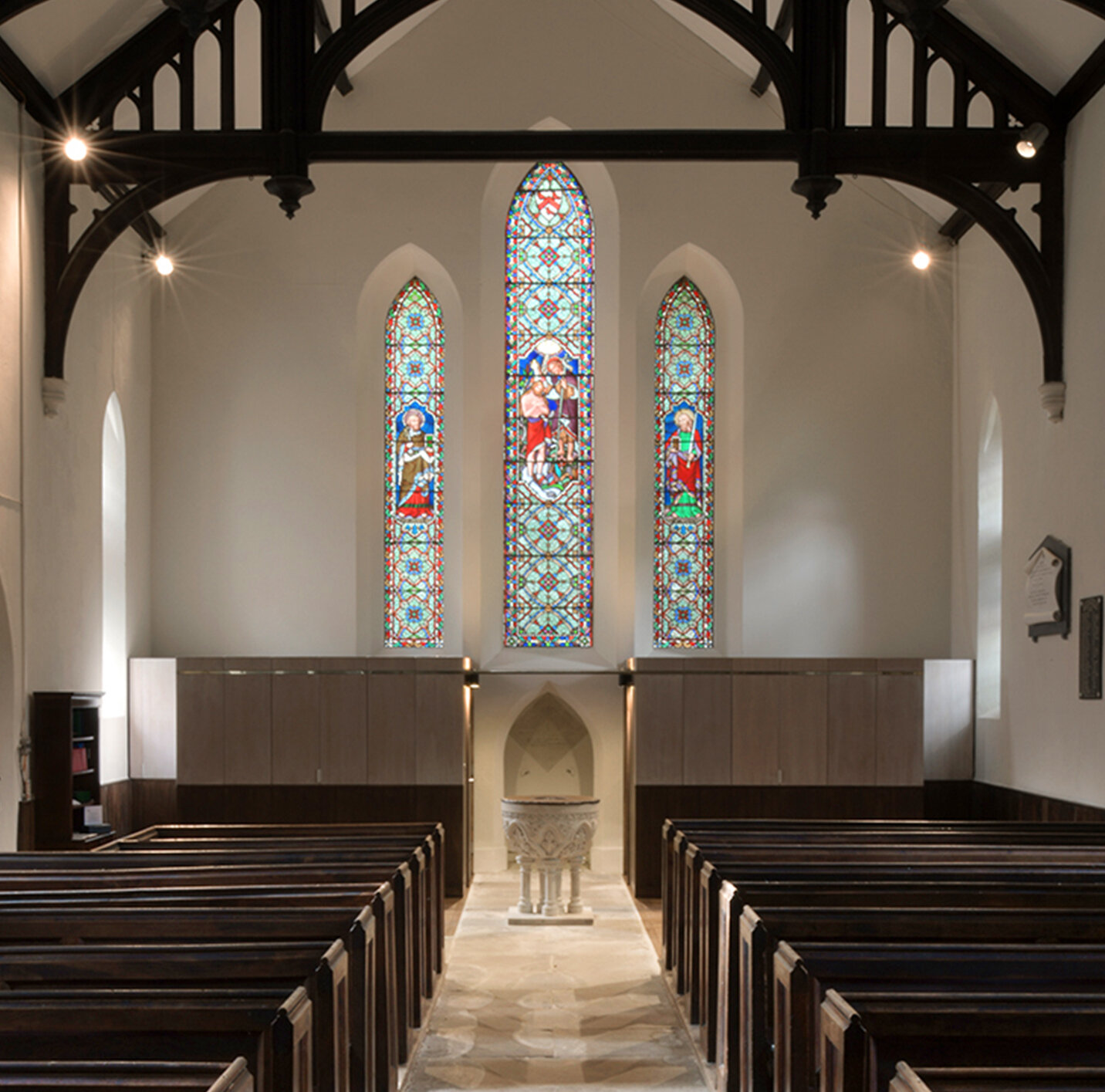
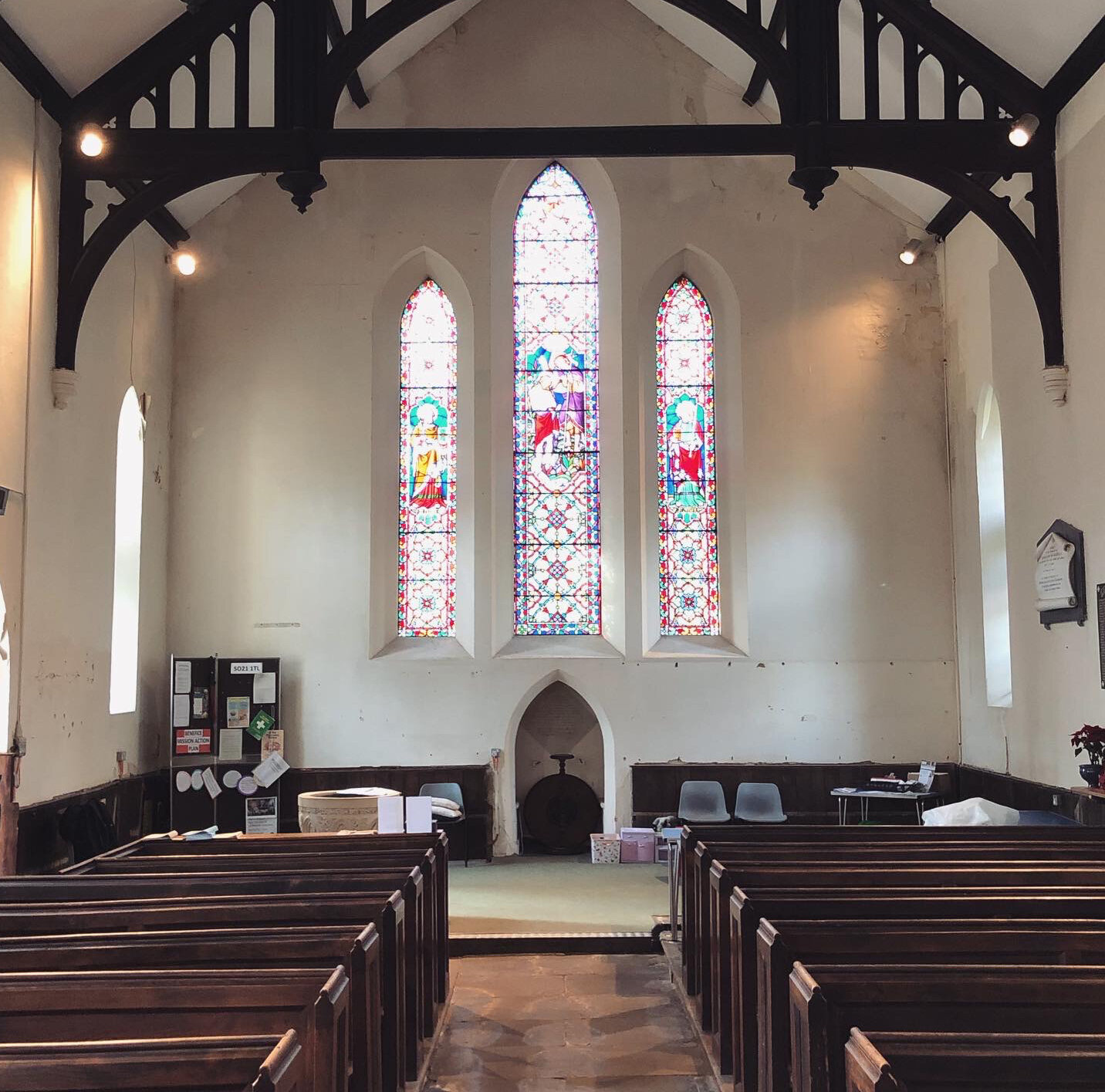
The often ruthless abutment of layered phases that we see in historic cities – where ownership boundaries dictate the limits of wholesale change – is equally evident within the churches; the frugal acceptance of found condition is acknowledged as the correct and ethical response to a congregation’s forefathers. This is particularly evident in the smallest and oldest churches, where the jostling adjacency of subsequent interventions create incredibly dynamic compositions – richly awkward interstitial spaces that can only be made through hundreds of years and by hundreds of hands. The repetition of architectural detailing in miniature reinforces this sense of scalelessness; fine joinery adorned with columns, arches and crenellations.

In terms of our conservation work this illustrates well the importance of maximum fabric retention – or where potential loss is justified and approved as necessary to a church’s future, that new work can retain a trace or memory of a former phase.

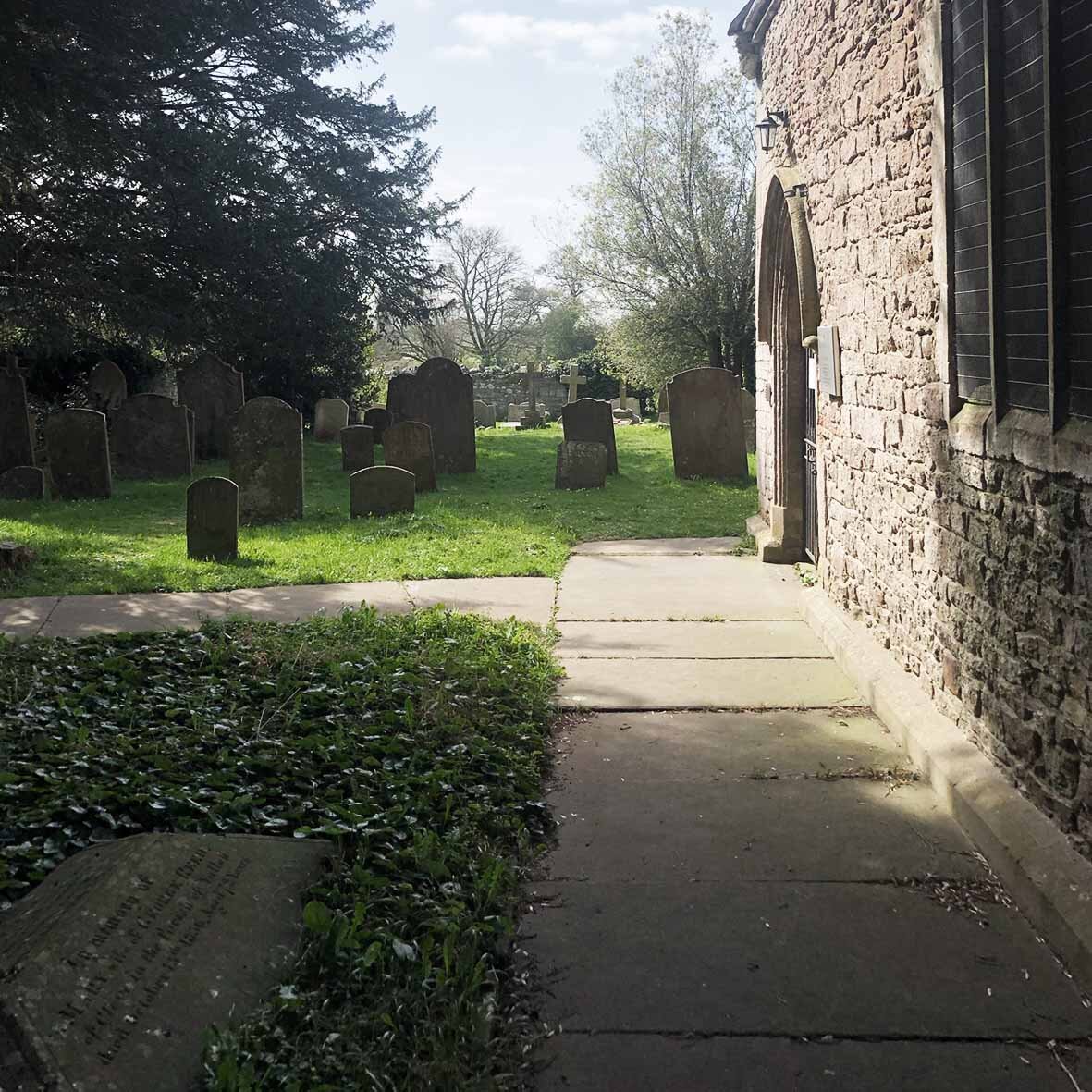
210520_Puxton 02.jpg

3. A church widens perspective

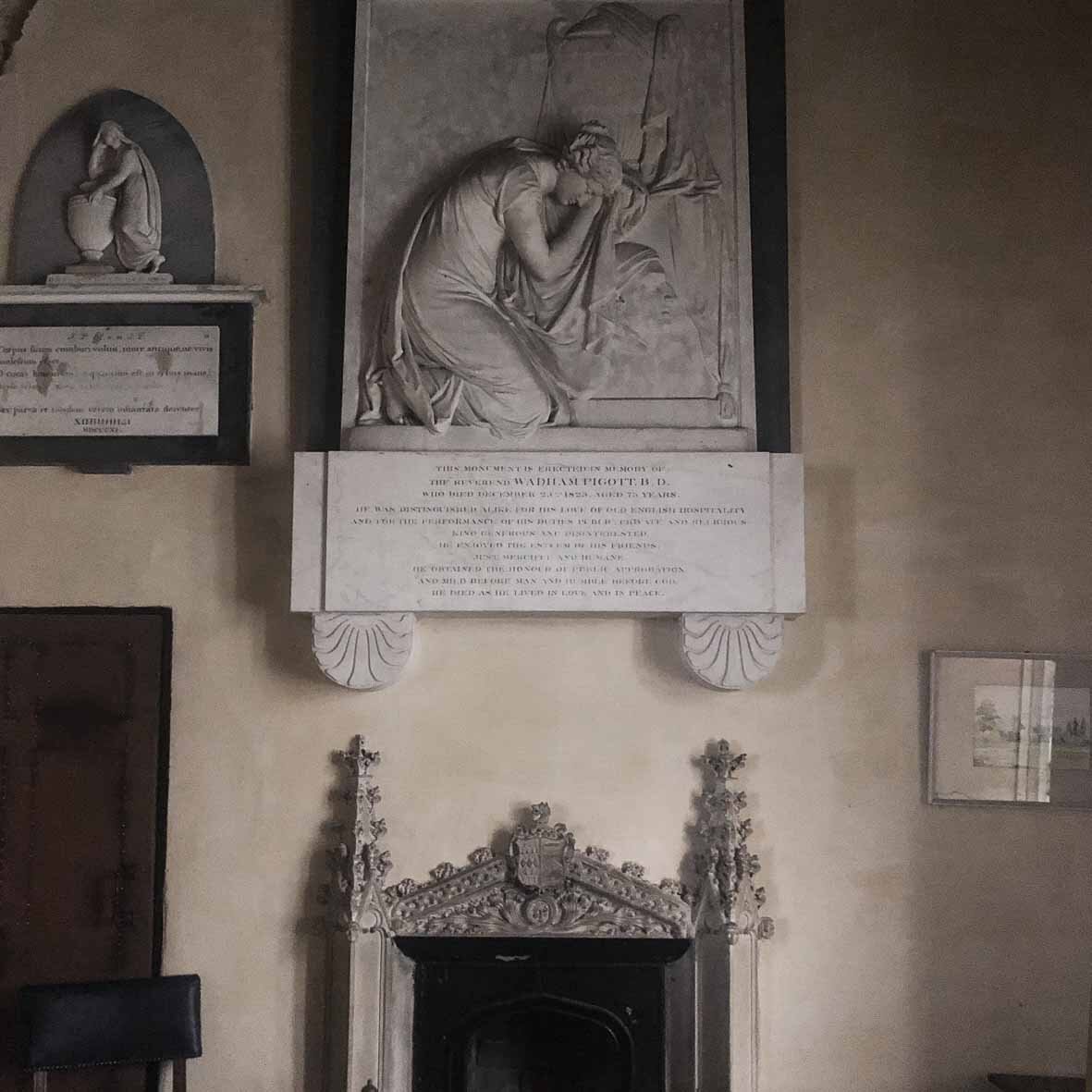
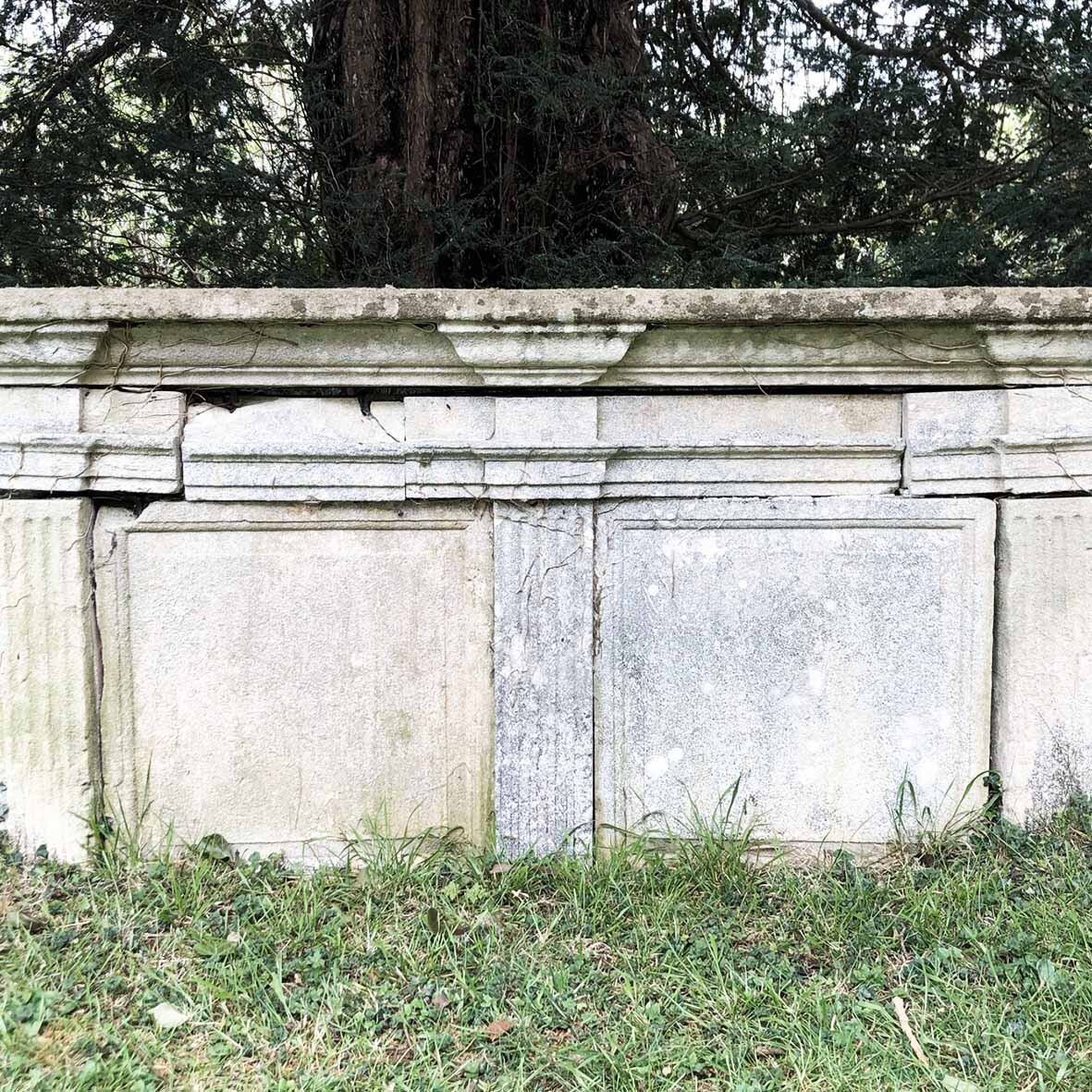
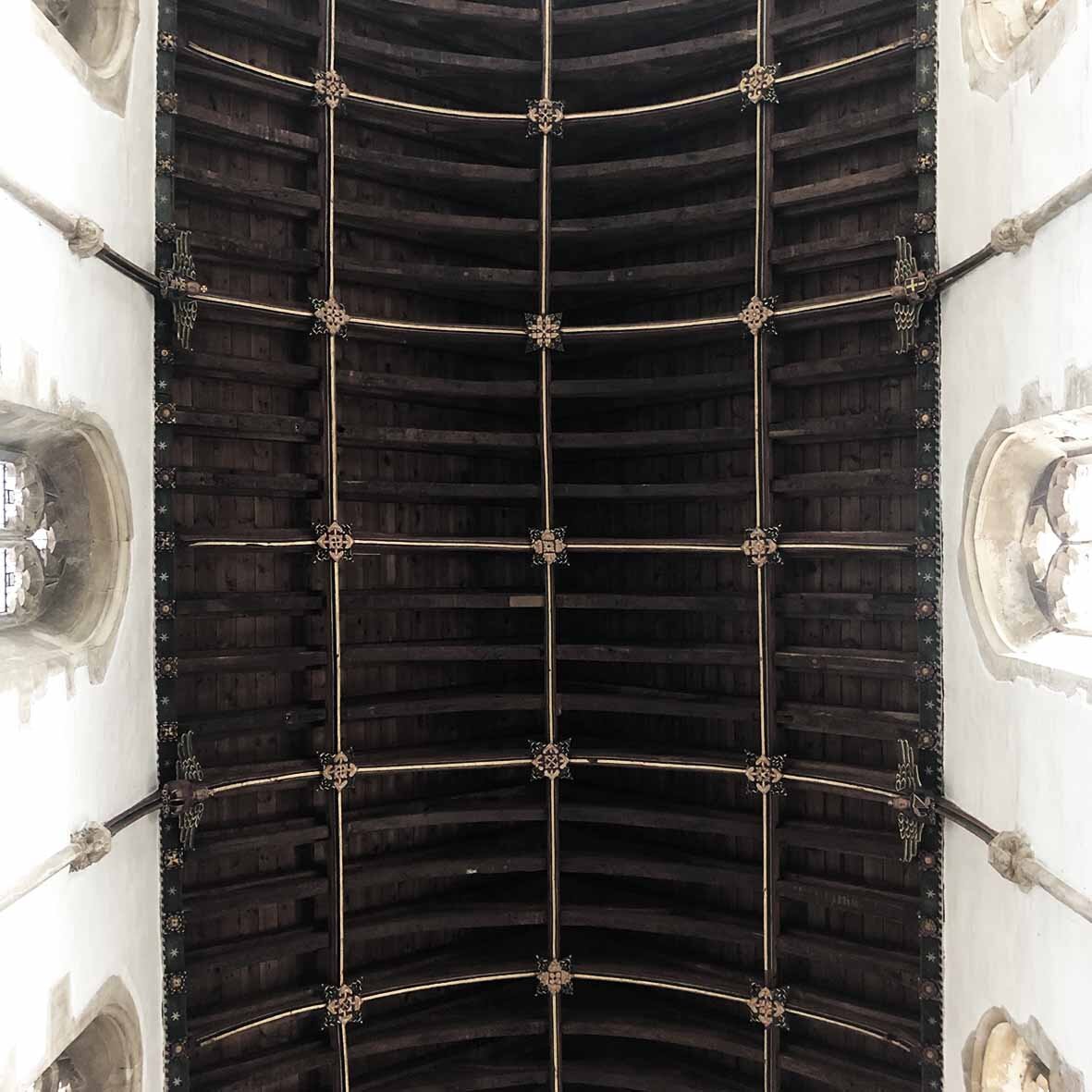
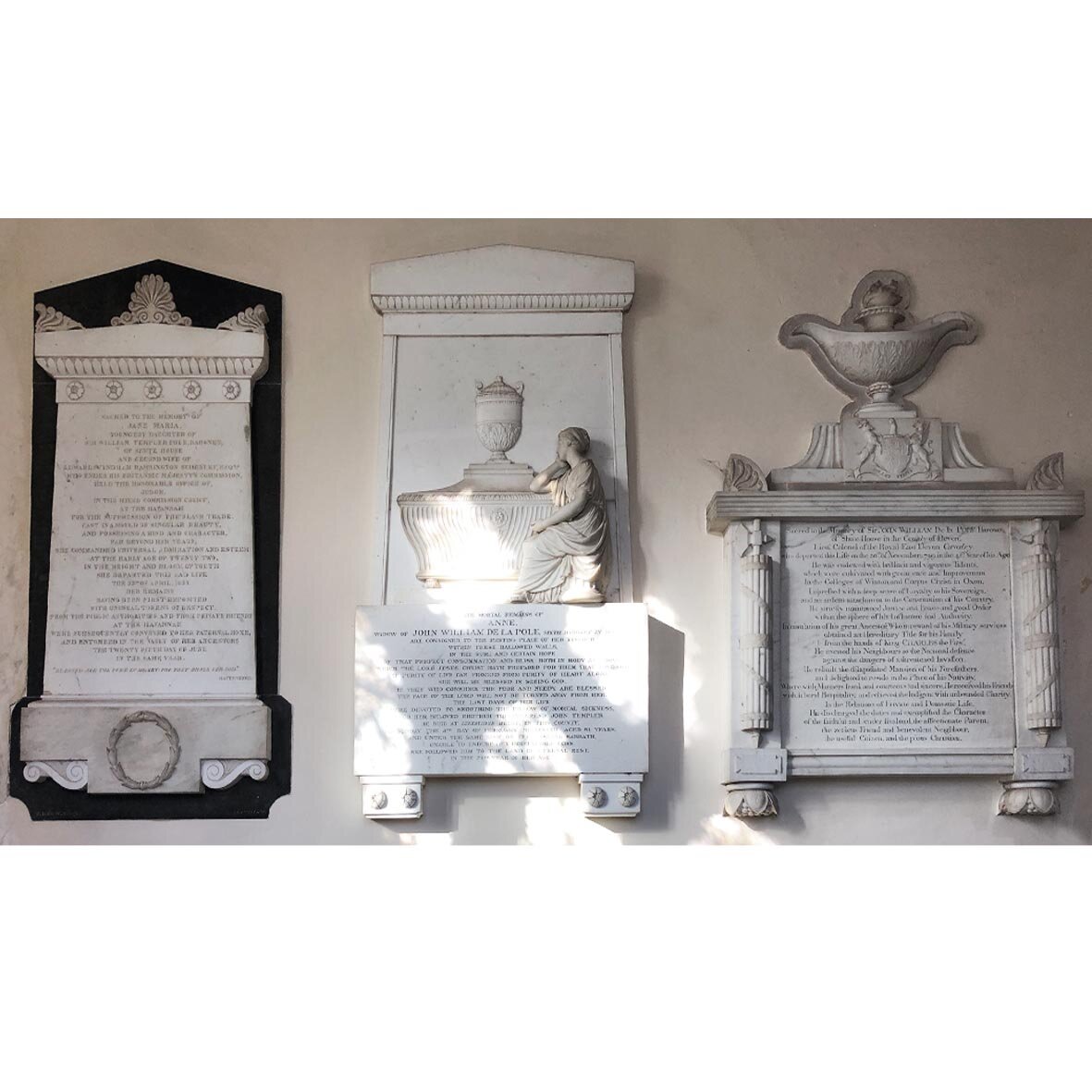
This final theme is less architectural and more social. Parish churches are the physical archive of rural village life, and although not every name gets carved into a ledger or gravestone, every hand contributes to the weathering of the pew end and every foot leaves its mark on the porch step. Whether or not you have faith, a church interior holds these everyday physical traces of humanity (the reality) against the backdrop of that humanity’s highest endeavours of devoted craftsmanship (the aspiration for meaning). Sitting in these quiet and still spaces is an exercise in widening perspective – whether you want to call that prayer, meditation or mindfulness. Cultivating an interest in the architectural and social understanding that a parish church can offer is then expanded by the mind-boggling abundance of this typology – over 16,000 in the Church of England alone, before accounting for other denominations and other countries within the British Isles. As you would expect the local varieties we see in church architecture as we travel from diocese to diocese is as subtle yet identifiable as the vineyards of wine regions. The perspective widens further.

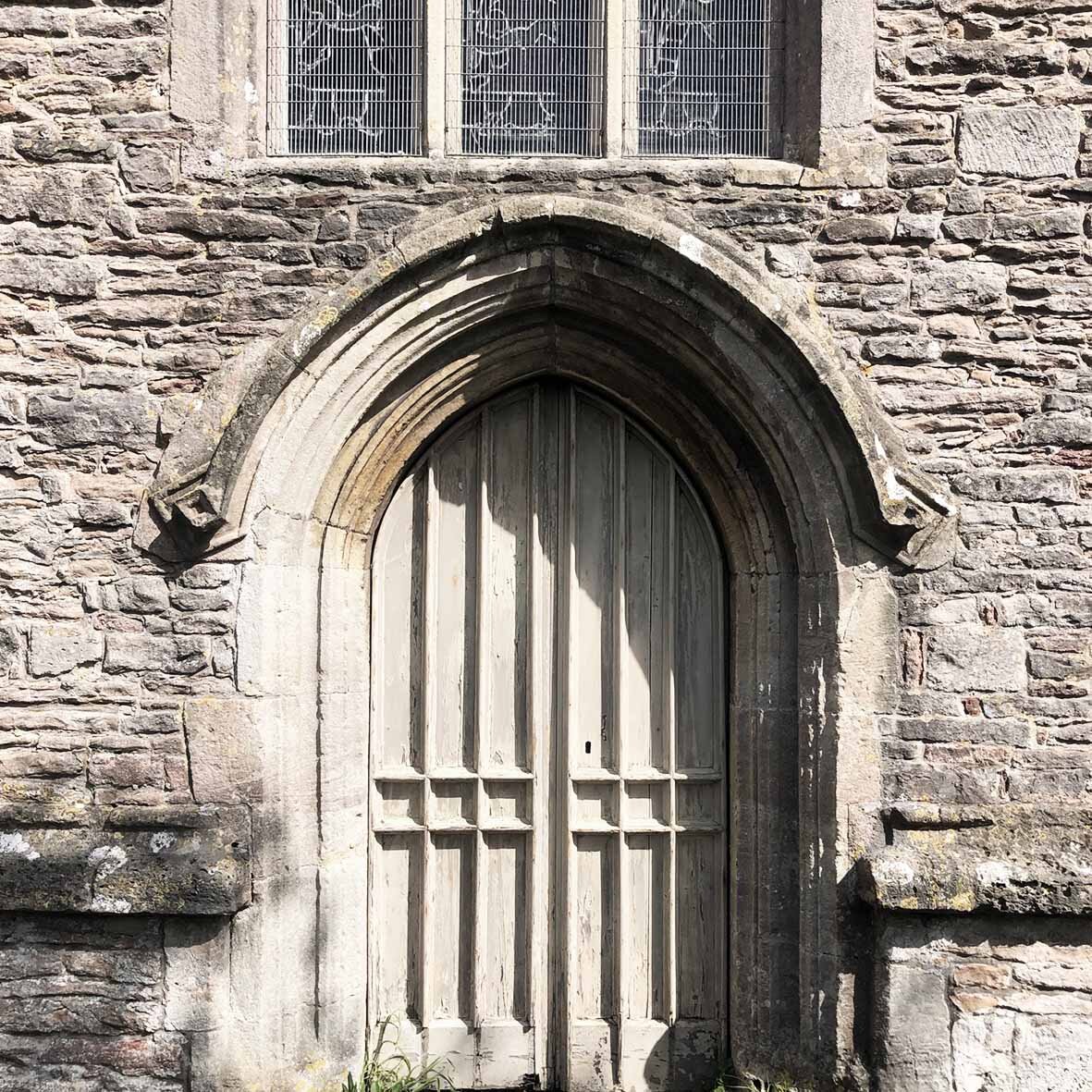
210520_Puxton 03.jpg

Much of this will not be revelatory to readers of this blog or followers on our Instagram, but if you enjoy seeing the imagery we share, then perhaps the above will help enrich your reflections. If nothing else perhaps it will encourage you to stop off and see what you can find next time you are taking the scenic road and stumble onto an unexpected spire or lychgate. I end with a recap from a few recent posts.

Charlie

St Nicholas, Brockley. 12thC. GII*

St James, Cameley. 12thC. GI

St Mary, Yatton. 13thC. GI


2020 in review


Ending one calendar year and commencing the next is inevitably a time of reflection and recalibration – taking stock and being thankful for another year of highs and lows. For us at CWa the highly unusual and unpredictable 2020 is only our third year together since founding our studio – and we are pleased to say that aside from all of the obvious difficulties and uncertainties, it has been our busiest year yet. I was invited by Instagram to review our ‘top nine’ most popular posts from this year’s studio social media feed, and it gave me reason to pause and consider all the things CWa have been busy with over the last twelve months.

210102_Top Nine.jpg

Completions
Seeing projects progress through to a successful completion on site remains our primary passion, and a milestone that we never tire of celebrating with clients. This year saw the completion of our reordering project at Holy Trinity Colden Common in the Diocese of Winchester (which was CWa’s third ever commission!), following a swift 3 month contract between July and September. We were delighted to visit our friends and clients at the Owlpen Estate in October to inspect their progress project-managing the construction of their Events Hall – having achieved Planning Permission and Listed Building Consent for them back in 2018. Not all of our project completions involved scaffolding and hard hats – we finished the year by completing our Feasibility Study for Oasis Hub Bath at Hayhill Baptist Church. We have really enjoyed working with the OHB team to make their GII Victorian church better equipped (operationally, environmentally, accessibly) to host their incredible outreach work in the community (alongside strengthening their congregational worship) and creating a ‘home for the city’ in the centre of Bath.

New Appointments
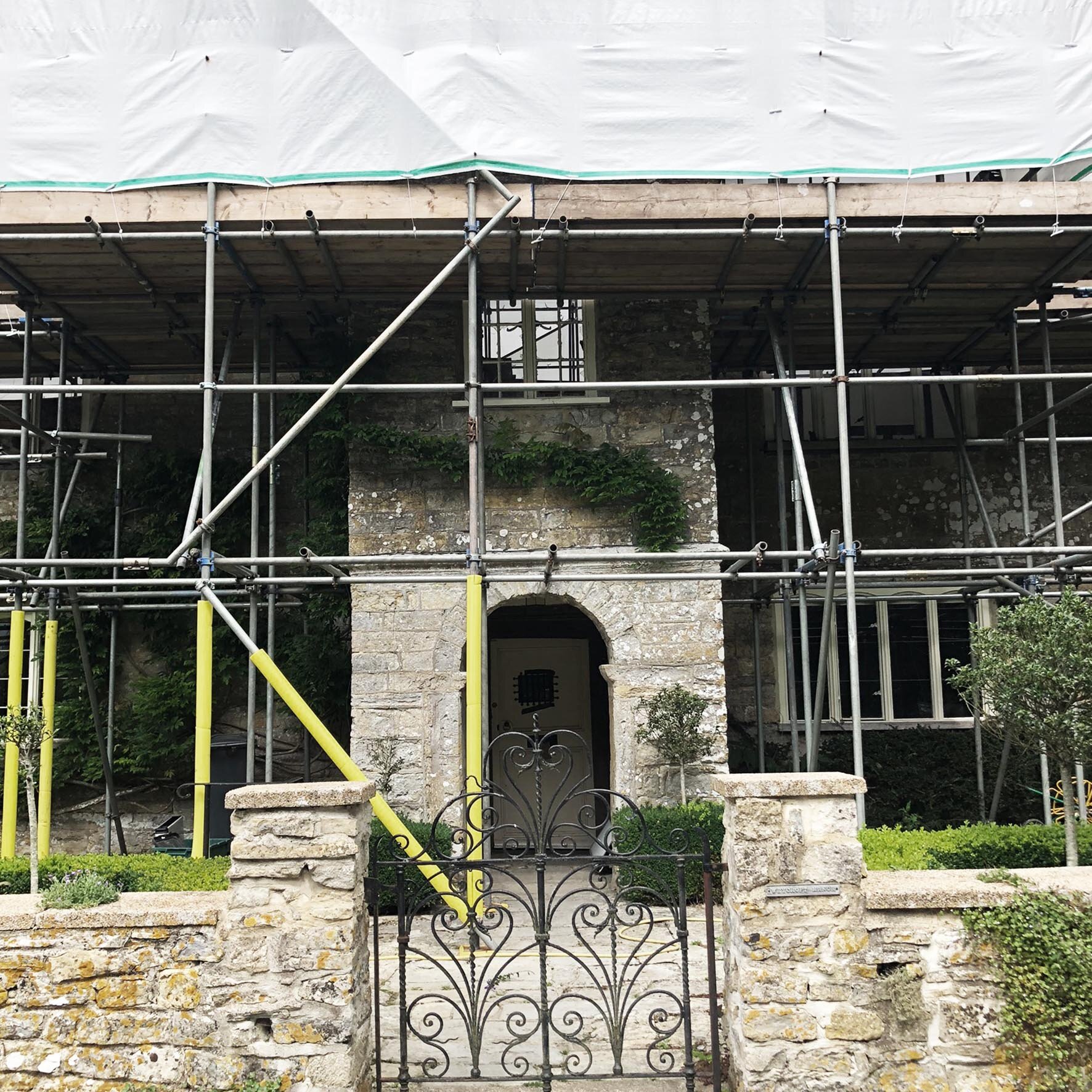
Among the several new commissions in 2020, two of the larger projects are particularly notable, having been received following word of mouth recommendations from peers within the conservation sector. Our appointment at St.Michael’s church in Shute followed a recommendation from the Diocese of Exeter, and our appointment at Weycroft Manor followed a recommendation from our colleagues at Avalon Planning and Heritage. We have enjoyed getting to know the client teams at each site and are pleased to say both projects are progressing well. The final months of 2020 saw commencement of two exciting new projects that we are not yet able to announce – but are looking forward to sharing developing design drawings on the website and Instagram feed as the new year progresses.

Growth
2020 has also seen CWa expand and consolidate as a studio. We have had a great experience employing our first architectural assistant, Joe Franklin, who has fit comfortably into the team and whose talents have boosted the quality of our illustrated and modelled output considerably! I was pleased to offer Joe a position after tutoring him during his final undergraduate year on UWE’s Architecture and Planning degree, and it has been great watching Joe’s final year project garner acclaim over the last year - being nominated for both the AJ Student Prize and RIBA President’s Bronze Medal (well done Joe!).

In September we ended our two year tenure in the Spike Design hot-desking space and graduated to our own dedicated studio upstairs in the Arts Centre. We really enjoyed our time in the joint space and made some great new friends, but we are loving having our new studio with south facing views over the New Cut. Space to pin up, space to make models, and space to grow.

September also saw CWa named as one of the AJ’s top 25 ‘disruptors’ – small teams of architects exploring new paths through practice. It was a real honour to be recognised amongst a cohort of such innovative young architects, and we thank the AJ again for their continued support of our ‘reuse first’ commitment to working with existing fabric.

A183F2F0-1B9B-45FF-9F55-8D9F3E4484AF.JPG

2021
Turning eyes to 2021 and the year is sure to kick off at a swift pace, with three projects all due to commence contracts on site before the end of January – including a conservation and refurbishment project at a higher education college in Southampton. We are particularly delighted with this as our first project in the education sector, and have enjoyed assisting the college Estates Team with the sensitive upkeep and discrete adaptation of a listed building on their campus. We are balancing working from home with a carefully managed return to the studio, where we continue to fitout our dedicated space and invest in the hardware and software required to deliver the highest standard of service to our clients. Most recently our Christmas present to ourselves – two large whiteboards for design reviews, crits and collaborative thinking.

Whiteboards.jpg

New Year’s Resolutions
Whilst we continue to work in accordance with Government Guidelines to prevent the spread of covid, we remain hopeful for a return to more normal conditions before too long. We are looking forward to getting back out to visit the buildings that inspire us; to observe, to draw, to debate and reflect. I am reinstating my ‘one sketch per week’ challenge from back in 2018, and certainly hope to expand my travel beyond Tier 3 to achieve that goal.

Finally, having also reviewed the output of the CWa website journal over 2020, I think we will all be endeavouring to write and share more as well! Best wishes to all for a safe, healthy, busy and fulfilling 2021.

Charlie


New appointment in Devon


Connolly Wellingham Architects have been appointed to undertake a feasibility study at St.Michael’s Church in Shute, Devon, exploring opportunities for improving community use of the space, whilst strengthening the congregation’s continued worship.

The GII* listed building dates to the 13thC, and its fascinating history has been closely tied to the adjacent Shute Barton Estate for hundreds of years. We are really enjoying immersing ourselves in the wonderful archive research undertaken by the PCC to date, and working with them to secure a sustainable future for the church.


Listed Building Consent submitted in Devon


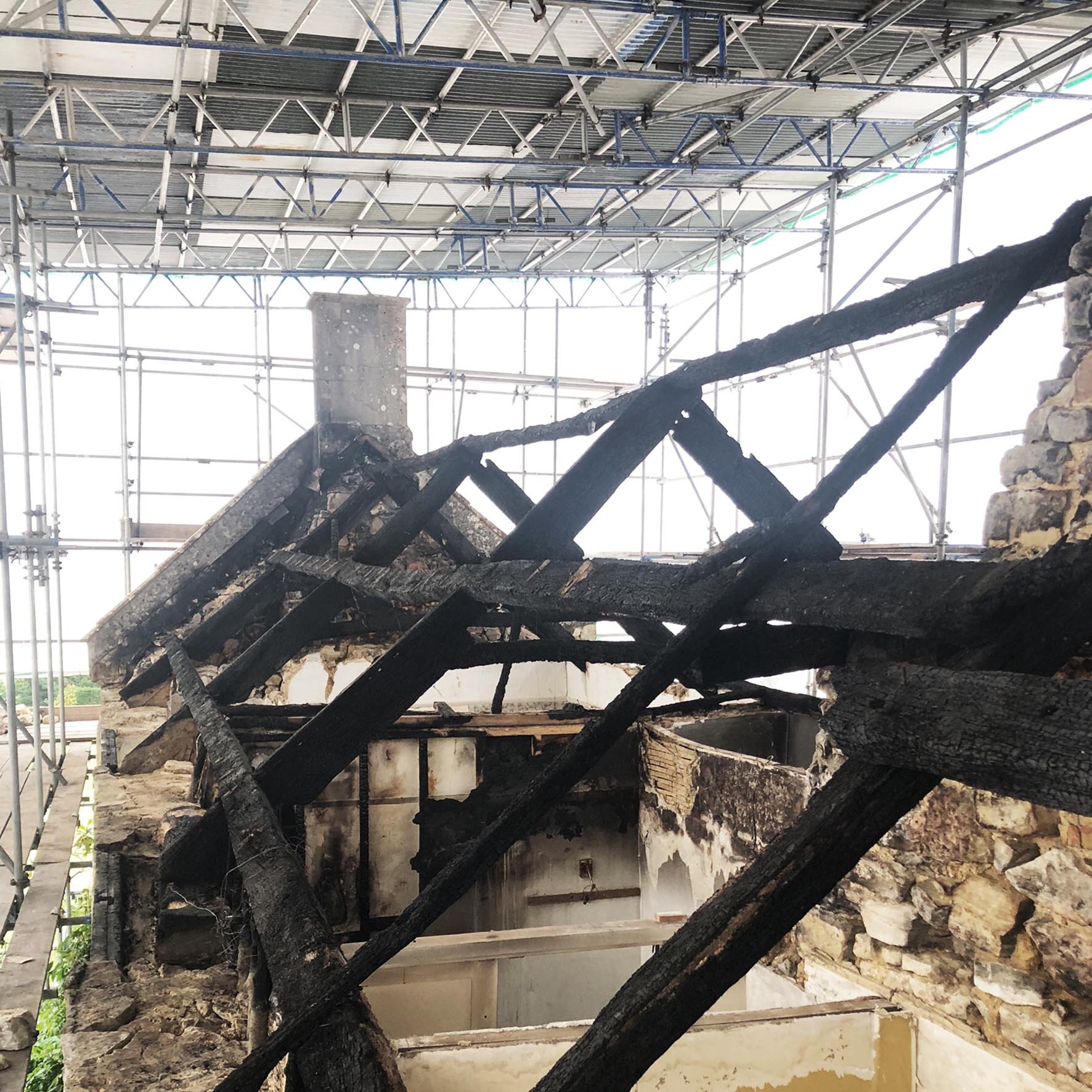
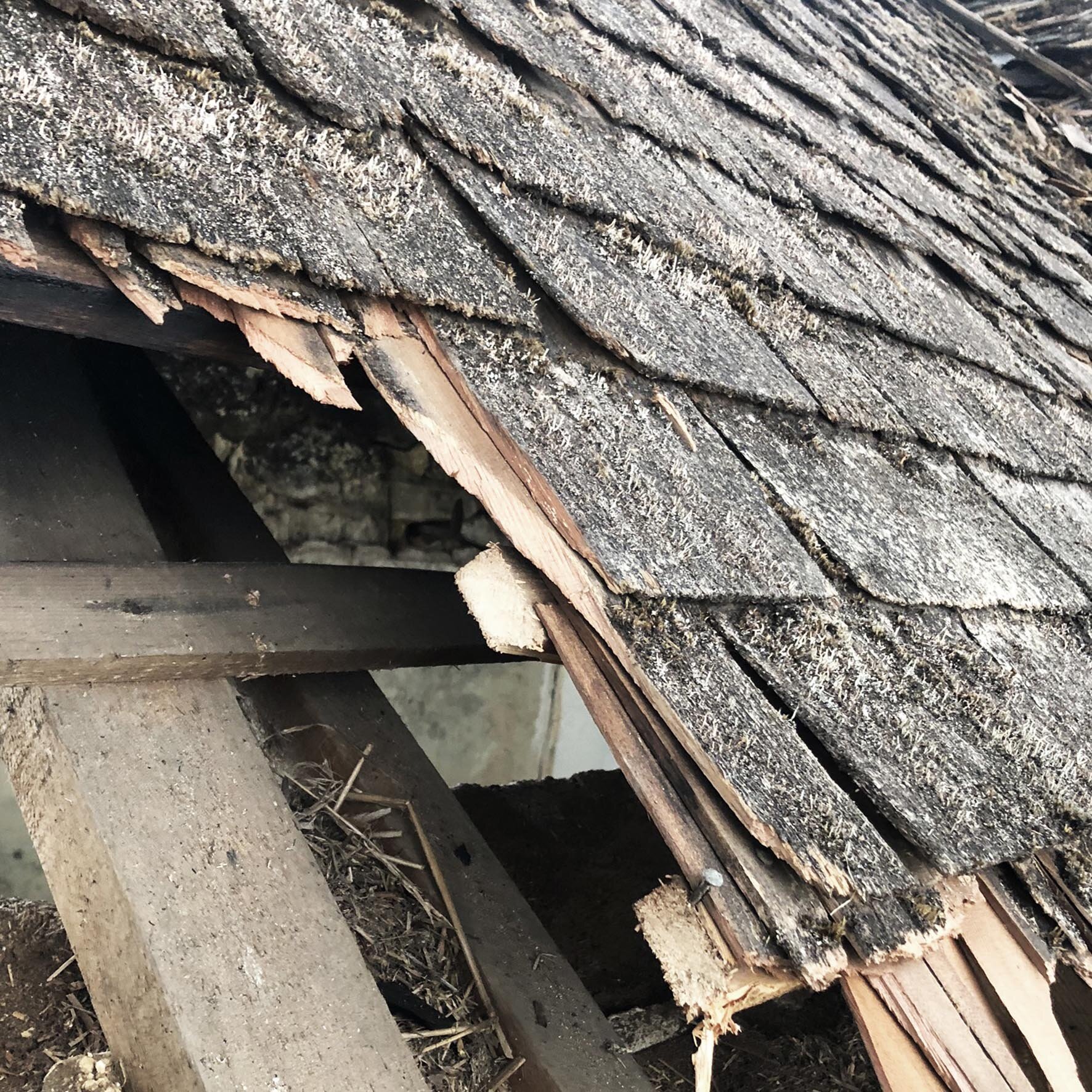
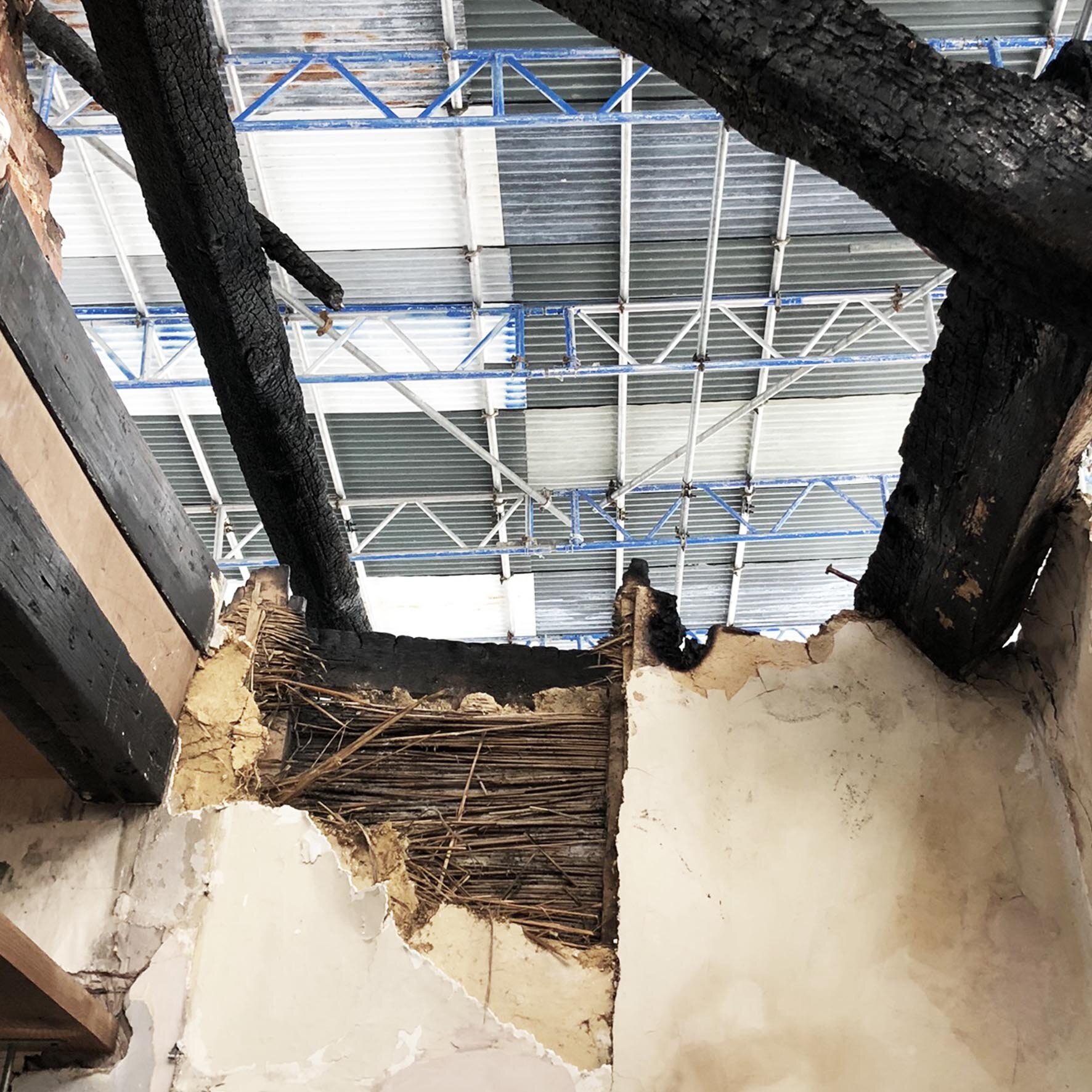
Connolly Wellingham Architects have submitted Listed Building Consent for the conservation and repair of a fire damaged, Grade II* Manor House dating to the 15thC. The initial design exercise sought to establish the pre-fire condition of the perished medieval roof timbers by thorough examination of minimal surviving fabric, before proposing an appropriate replacement structure in green oak.

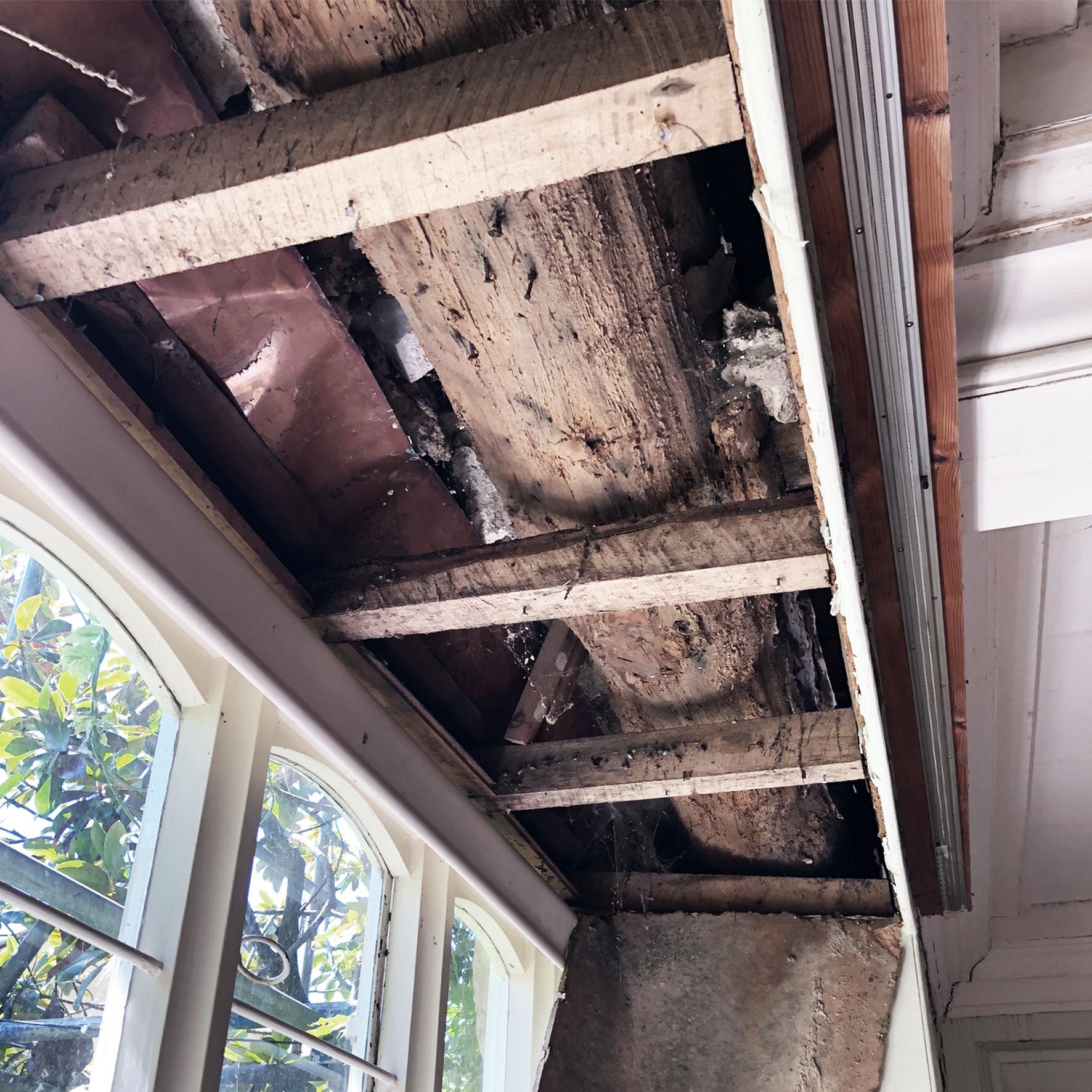
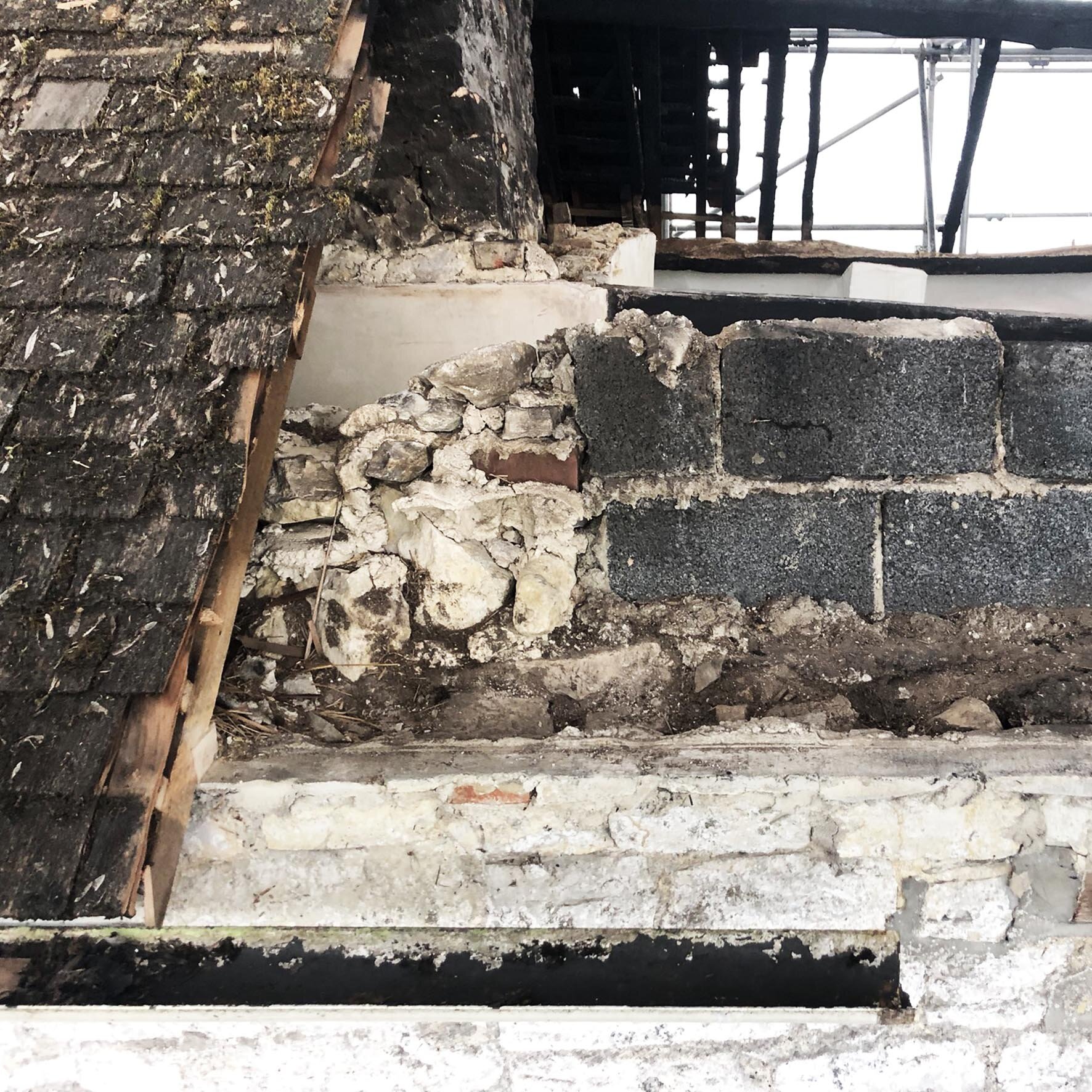
The replacement roof will be finished in timber shingles to match the previous condition, noted in the 1980s listing description. This is believed to have replaced an earlier thatch roof, and is unusual for high status houses of this typology. The damaged condition has uncovered a wide breadth of pragmatically agricultural details, from historic earth mortar on reed lathe and thick roundwood window lintels, to more opportunistic areas of concrete block infill.

Striking the correct balance of historical memory and contemporary performance has made this one of our most technically and philosophically nuanced projects to date.

Determination is due in October.


Porrdige Yard


It’s been a couple of months since I handed in the last of my university work and I’m delighted to say that my studio project, Porridge Yard has been nominated for the Architects’ Journal student prize. I’m flattered to be included in the magazine’s latest print edition, especially amongst such high quality, scholarly and beautiful work.

As time moves on and the spectre of deadlines and scalpel injuries become distant memories; it feels like an appropriate moment to pause and reflect on the project.

Rather than go through every reference or detail I want to discuss a couple of themes that run through the proposal, they also happen to be things that we talk about around the office, particularly when we have more pressing concerns – such as lunch.

The first theme is Civic-ness. Understandably, civic is often conflated with ideas of the city, the urban, however Tony Fretton uses the word to describe aspirations of generosity. Generosity is something that resonates with my project Porridge Yard, whether that’s through its holistic programme that confronts issues of youth exclusion and juvenile re-offending or through its formal manifestation.

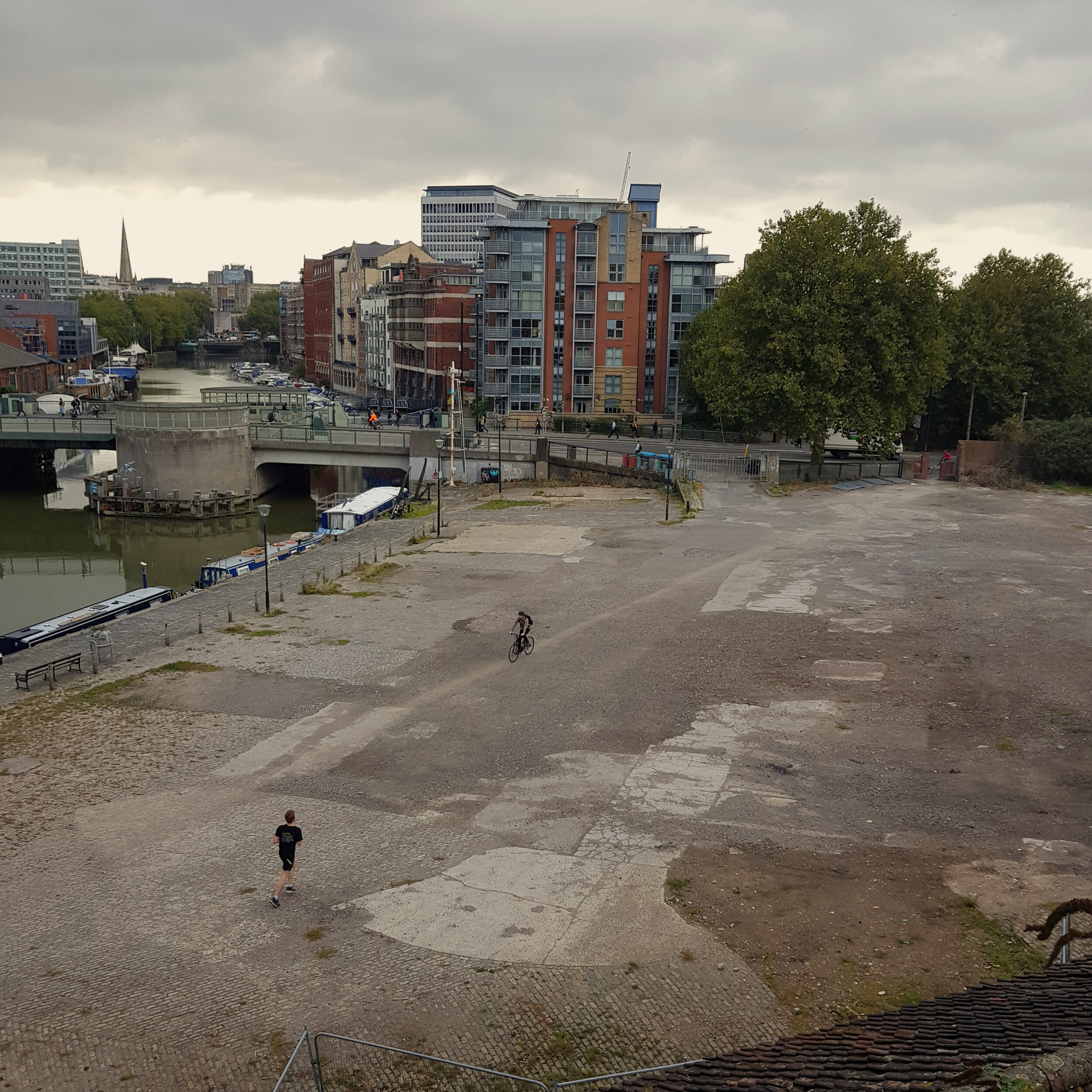
The building is situated in Redcliffe Wharf in Bristol’s Harbourside, a site now synonymous with student projects. The former glassworks and storage yard remains empty, with abandoned industrial buildings in various stages of dereliction wrapped around the site boundary, facing out towards the water. The patchwork cobbled surface is evidence of a vibrant industrial past, with the dusty path that cuts diagonally through it indicating the limitations of the site in its current state: It is a shortcut to somewhere else.

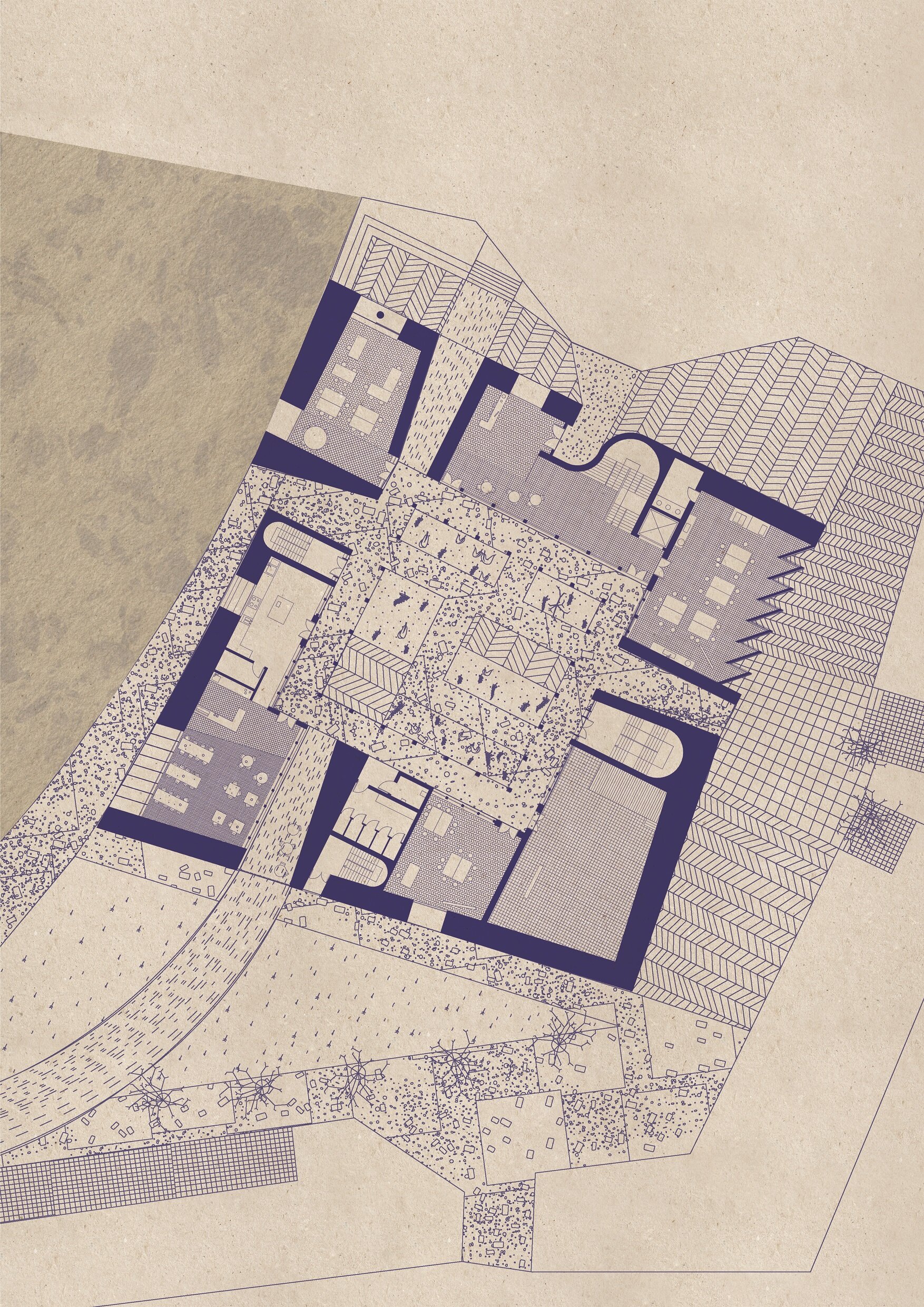
The introduction of a quad typology divides the site into a series of manageable public spaces, including a street, plaza, park and a garden square that sits at the heart of the plan. The existing pedestrian desire lines are maintained and dissect through the proposal, encouraging the building and its users to engage with its neighbours and the wider city.  At a smaller scale, the theme of civic generosity is expressed through the deep walls that are punctured with niches that offer a place to sit and even house a community pizza oven.

The second theme is reference, specifically in relation to an immediate context and historic precedent. I know that at CWa we spend a lot of time forming a detailed understanding of place, of how a proposal might be situated within a setting that is often historic. This results in a conversation on how to respond to a rich architectural history in a manner that is unashamedly of its time. Similarly, Porridge Yard enabled me to explore my fascination with historic building typologies, such as Jeremy Bentham’s Panopticon or the Medieval Keep, in which a large central space is surrounded by deep, massive walls that are extruded to provide service rooms and stairs.

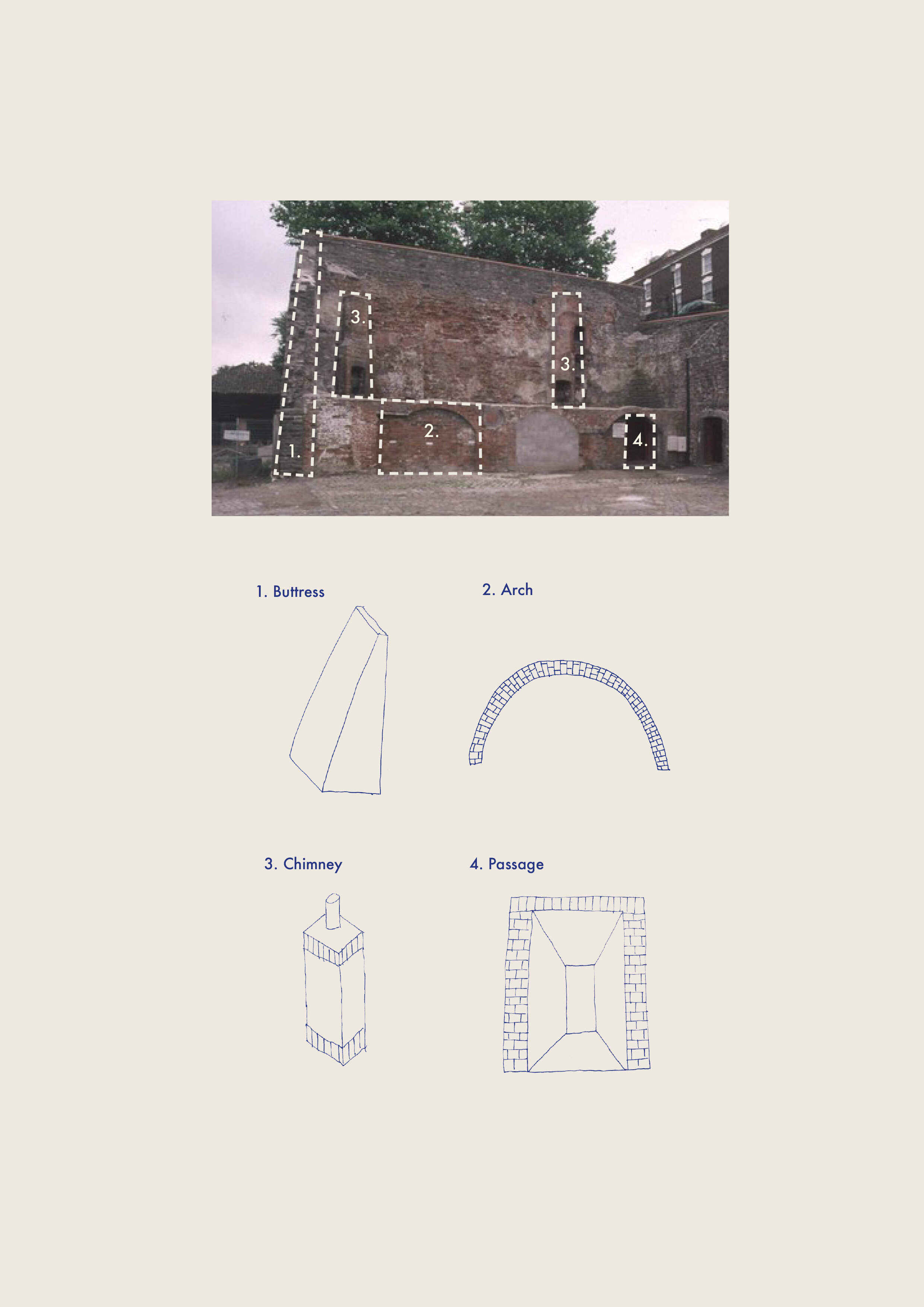
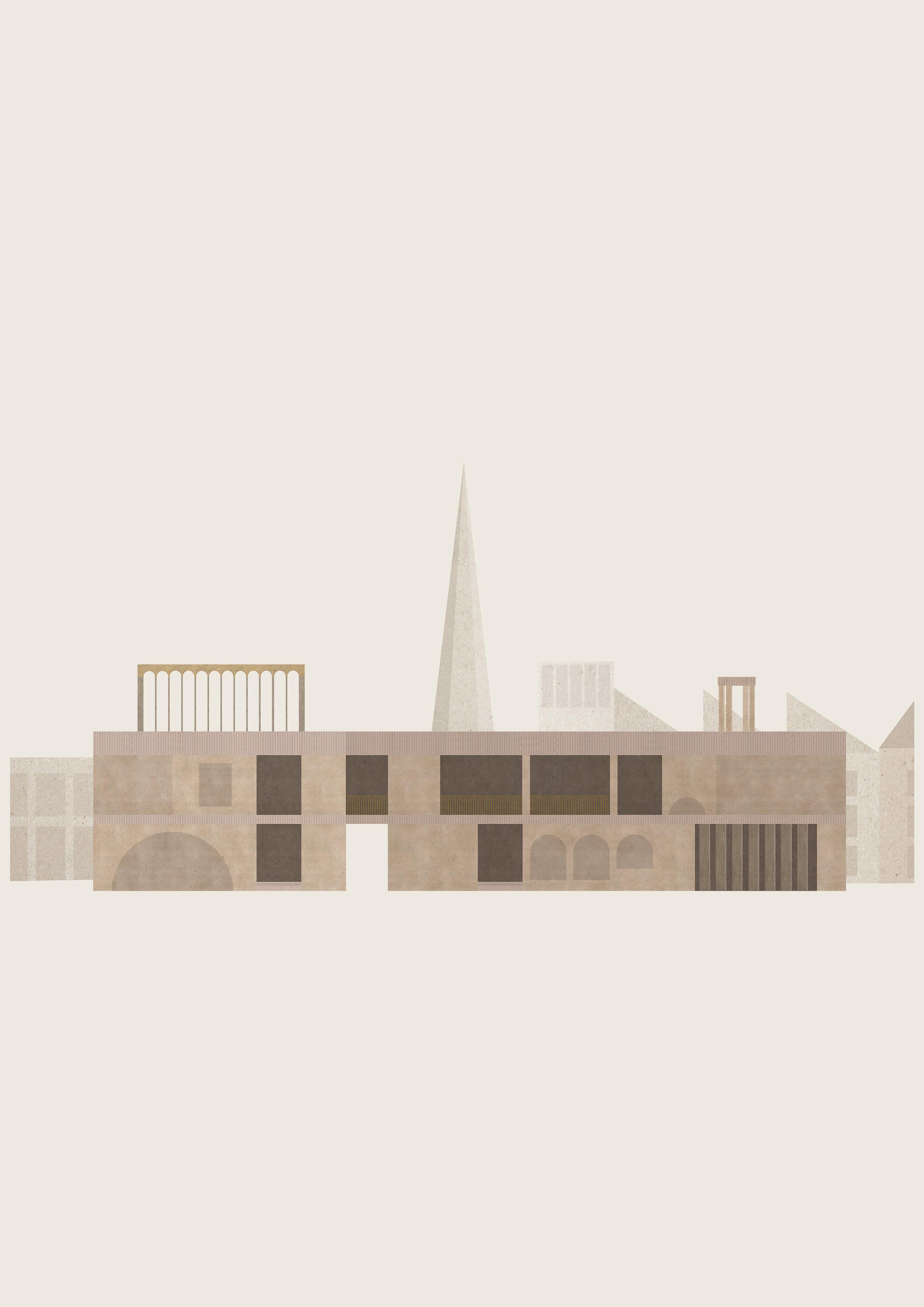
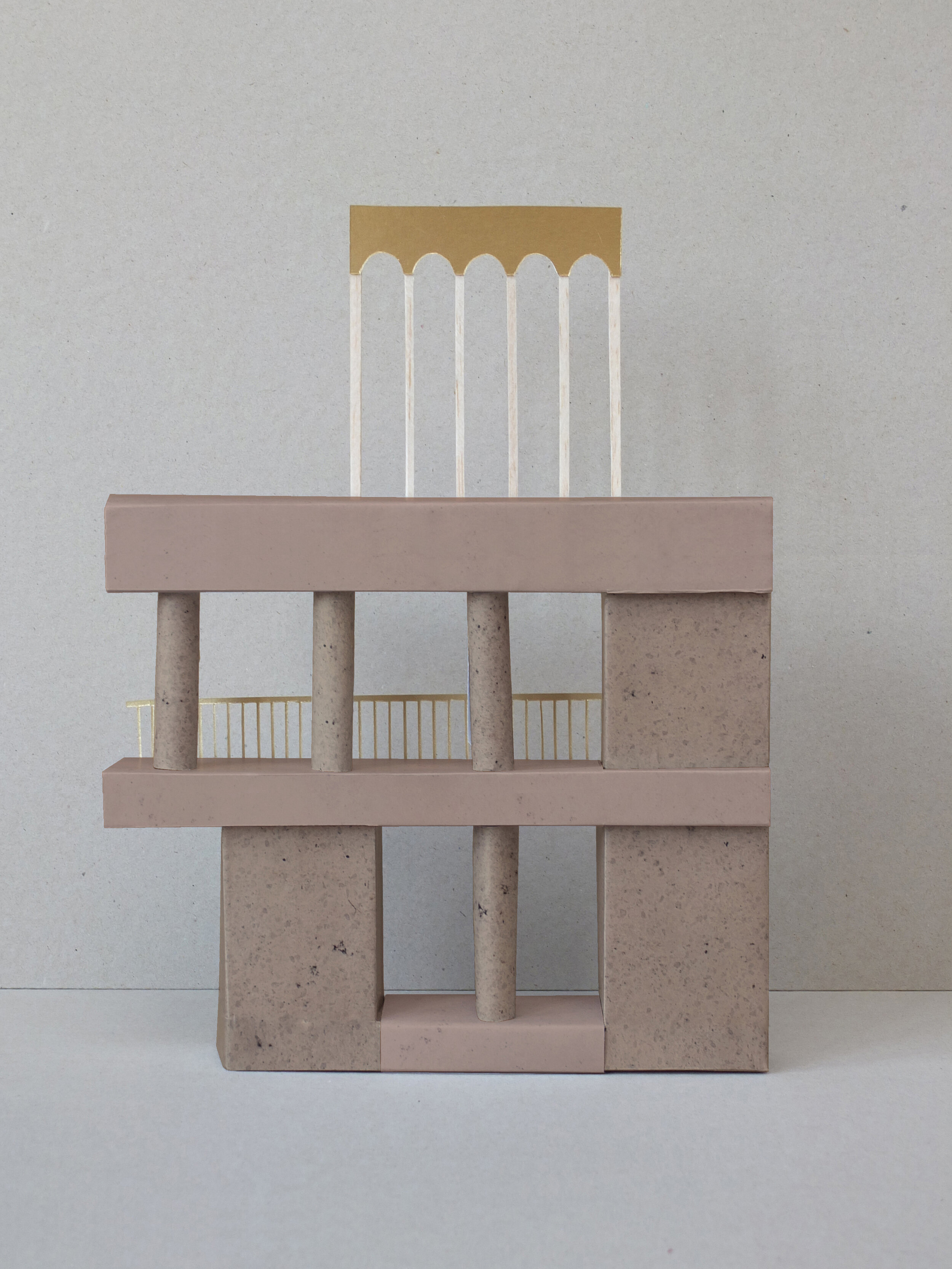
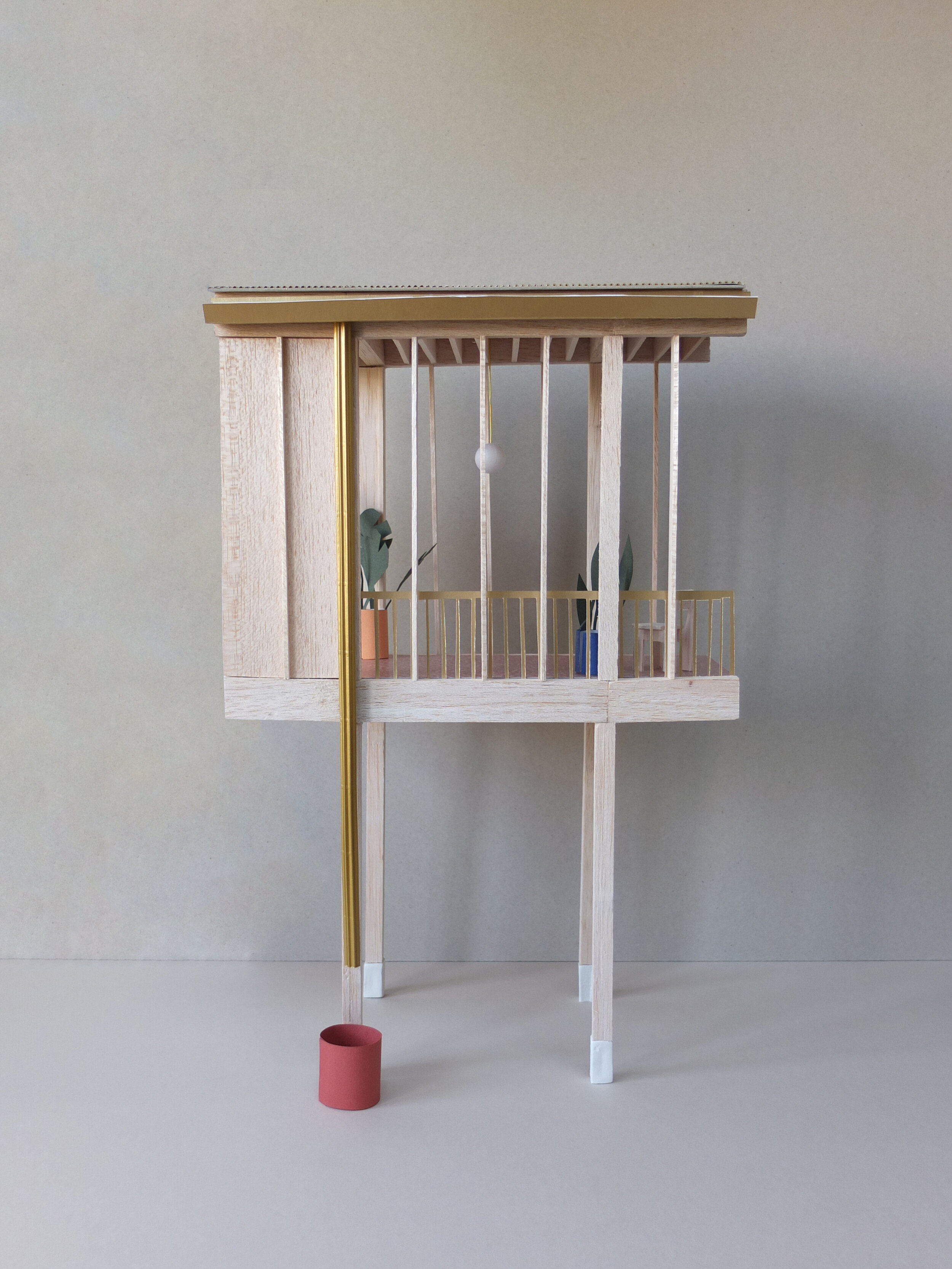
There is an enticing comparison between the solid/void form of the Keep and the manmade sandstone caves that border the site. It is a similarity that the proposal pursues. The deep earth façades of the building echo the red buttresses, blind openings and arches of Redcliffe Caves. In contrast, the courtyard cloister develops a tectonic language that is light and natural, with vertical repetitive oak columns and fins dividing bays that frame the public garden. I’m sure that there is a tough exterior/gentle interior metaphorical connection between the building and user, although that feels too easy to mention, so I won’t, even though I just did.

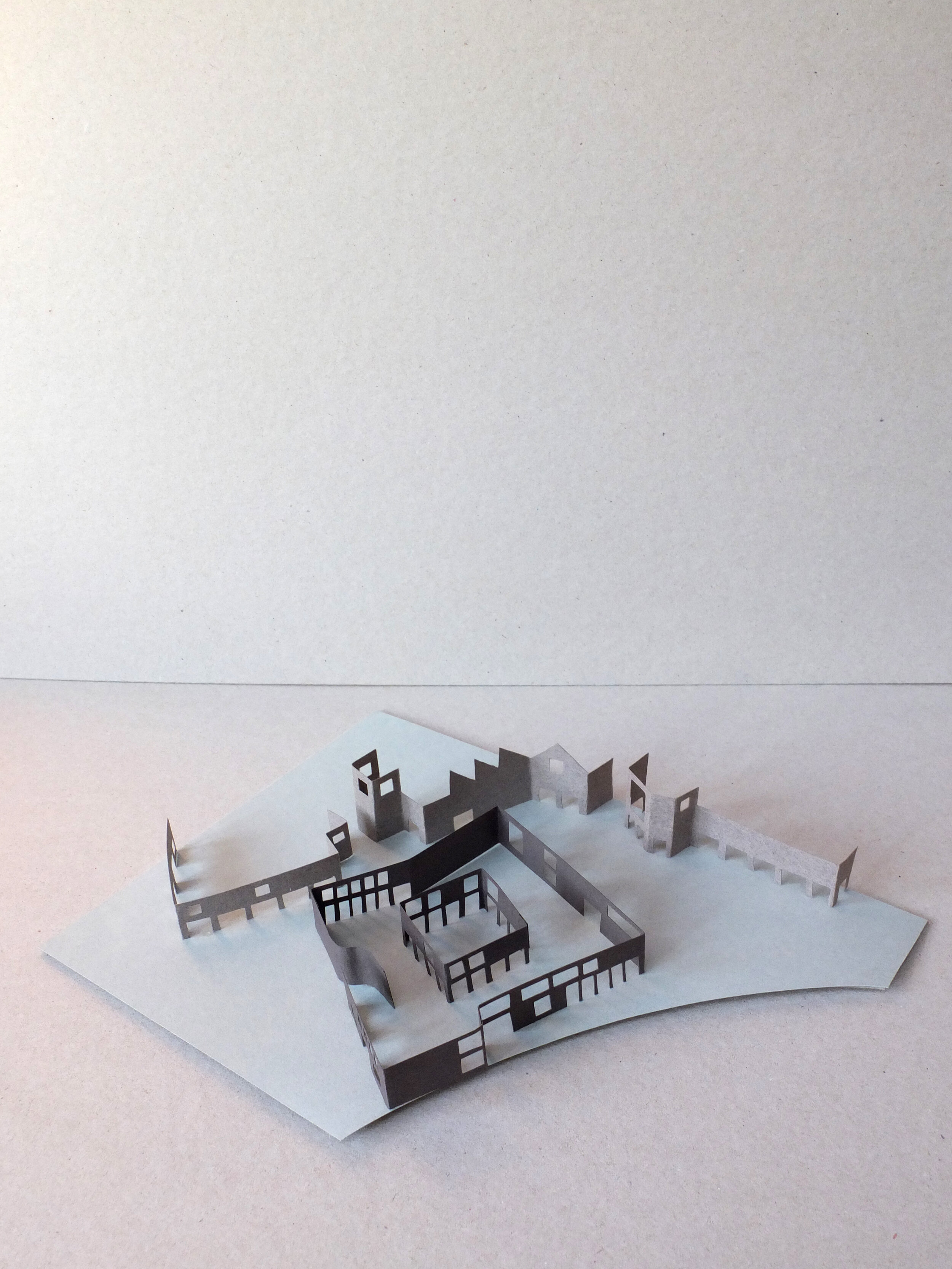
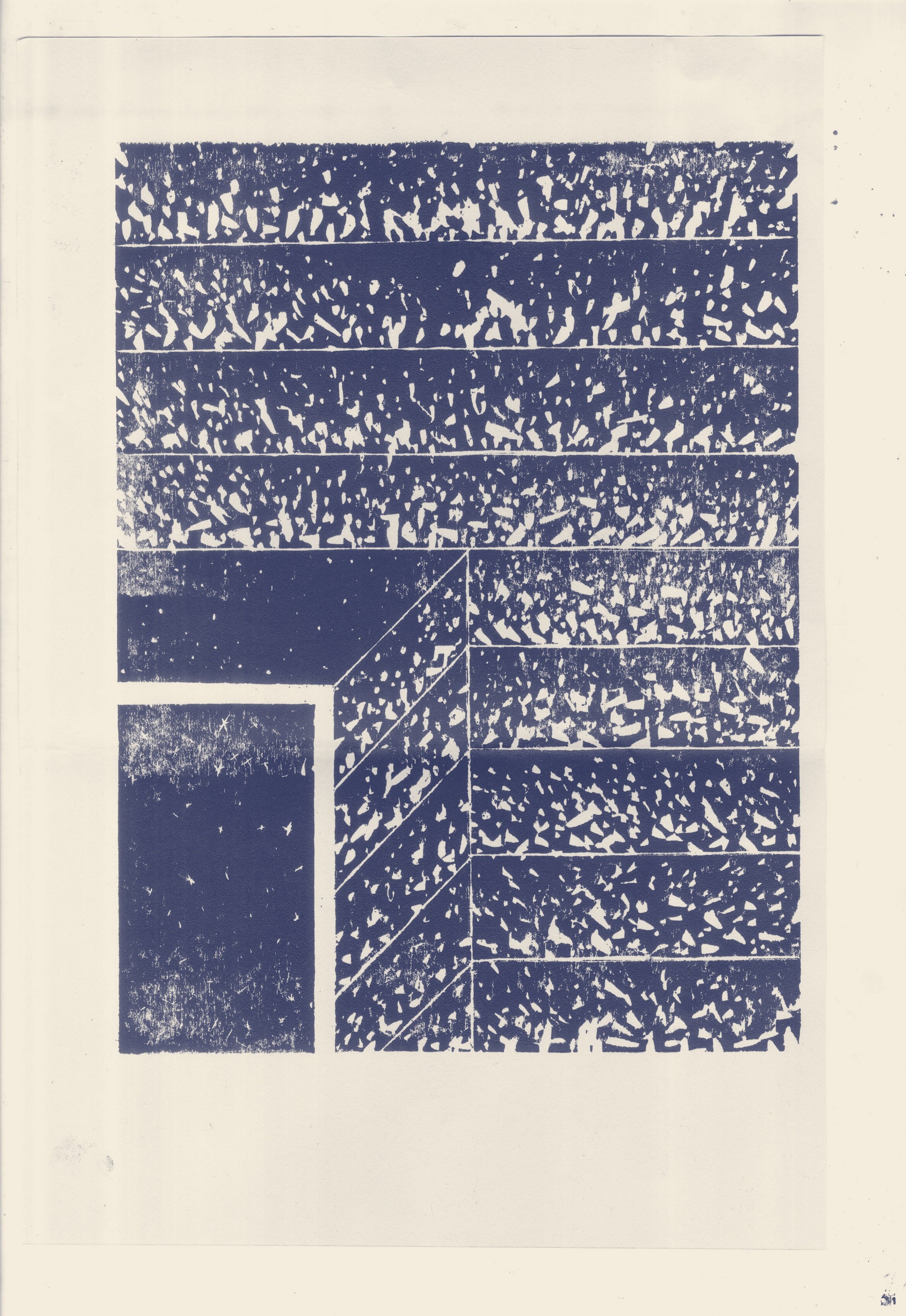
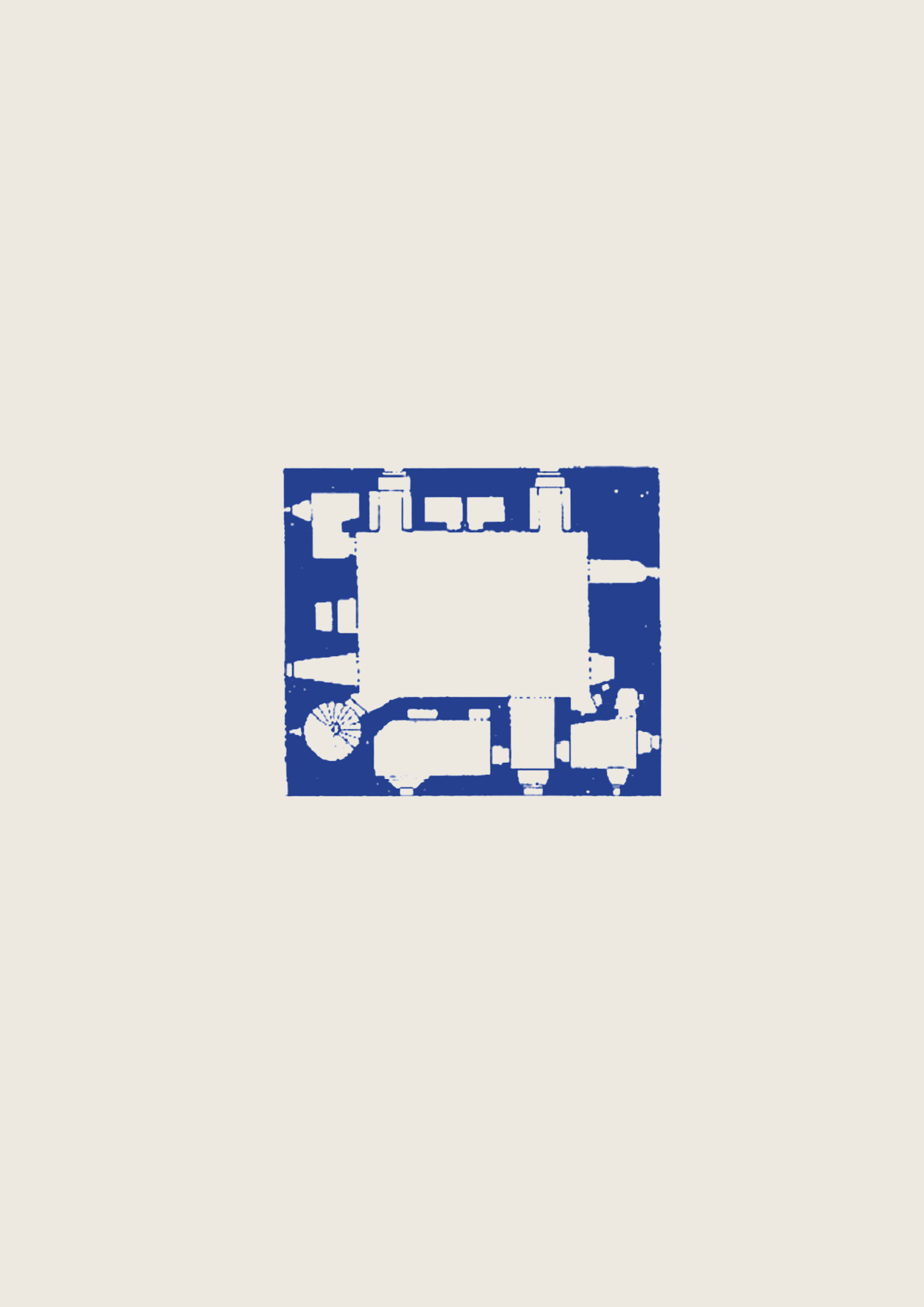
The final theme is communication and has as much to do with process as it does with the final design proposal. Porridge Yard allowed me the time to rigorously investigate ideas using a variety of mediums such as woodblock prints, casts and models in addition to more conventional drawing methods. The skills developed over the course of the studio have already been applied to the work we’re doing at CWa. Which reminds me, I should probably get back to doing some real work.

Joe

AJ Figure 10_Cafe Model.jpg
 

Retro-Fit for Purpose


Who thought we'd only need 12 weeks for this much reflection, reaction and reinvention? 

We at CWa have been so very lucky: loved ones, friends, associates and team members remain relatively safe and well, and we are so grateful for it. Like many I'm sure, lockdown has seen me looking longingly out of the window: Admiring the weather, waving to neighbours, enjoying an explosion of summertime flora and fauna, with clean air, quiet roads and empty skies. It's been a time of daydreaming. Of thinking what could be. 

Three things struck me during this time: 

- As an avid monitor of our national grid, our energy needs dipped only slightly these past weeks- even with such dramatic changes in lifestyle. This is quite significant: If we are to meet commitments to dramatic reduction in CO2 outputs, we need to keep thinking at a national scale: Something only possible at the level of central government. 

- But we are making incredible inroads. At the time of writing, we haven't burnt any coal on the grid for nearly two months- and I remember getting excited by the record of 24 hours only a few years ago! To put this in context, we have burnt coal continually since the industrial revolution. We broke our record for wind generation this January (17129MW), and solar PV generation this April (9680MW). These are exciting steps, on a long journey- but absolutely in the right direction.   

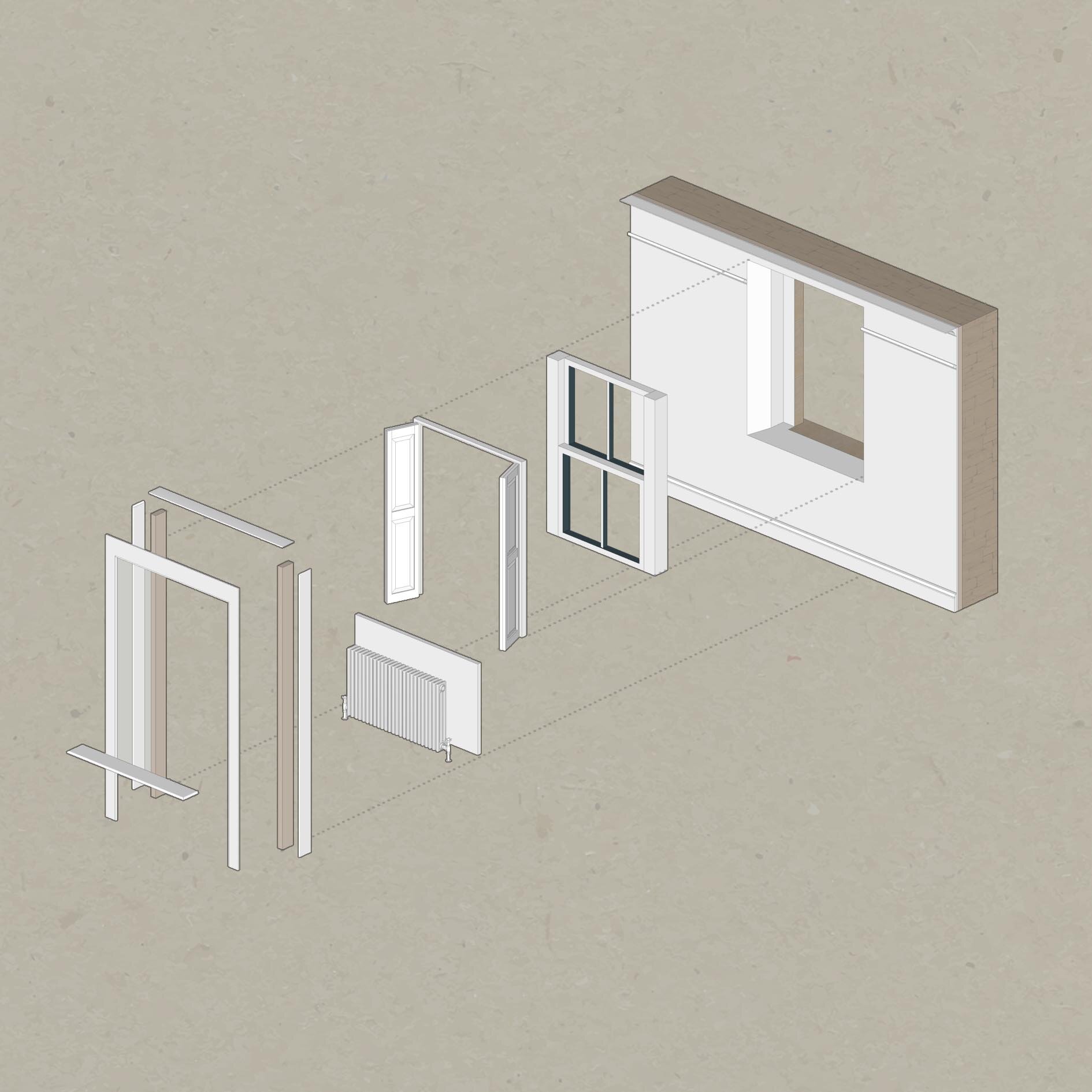
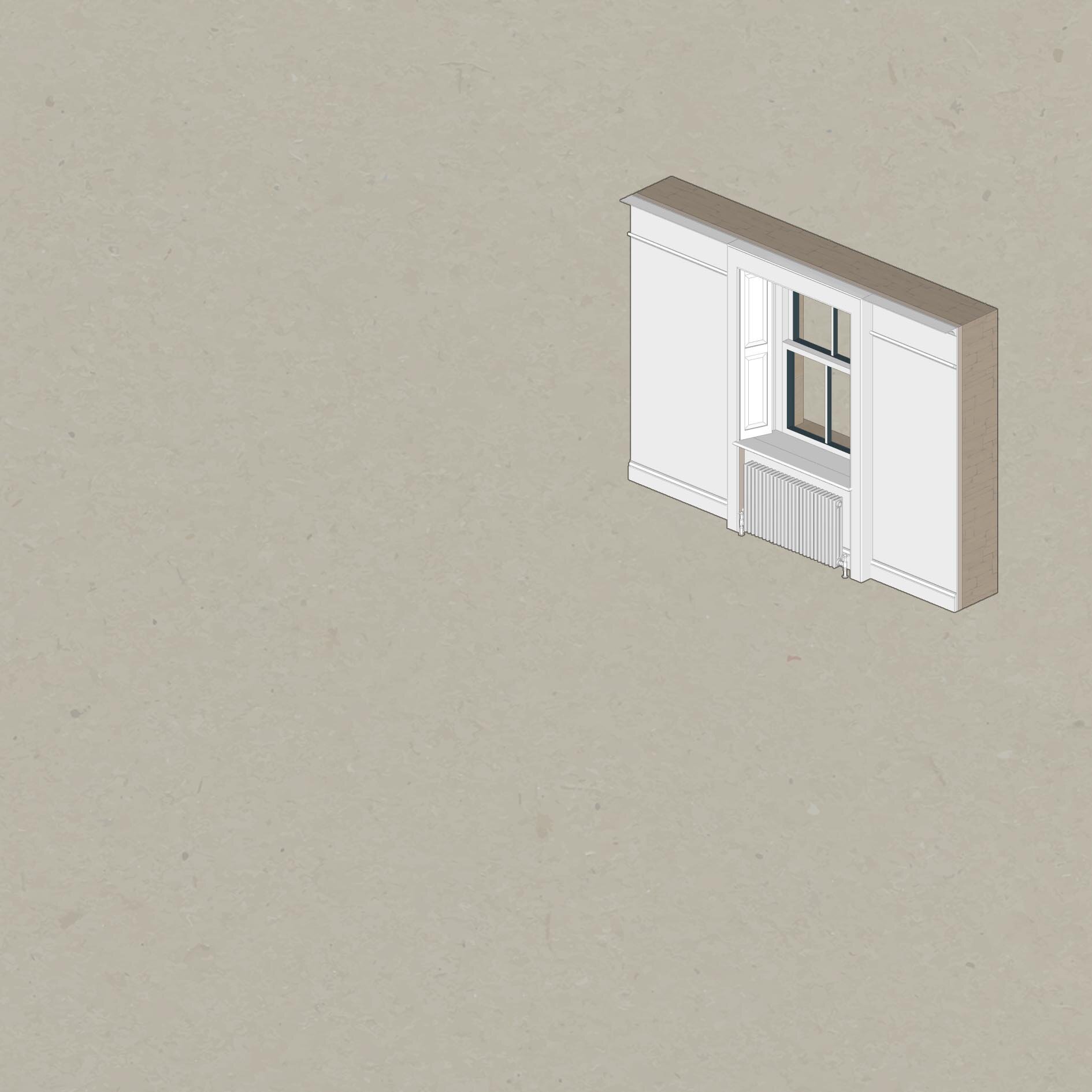
- This brings me back to my window. Alongside generation, we need to think about efficiency, and we need to think about our existing building stock. A key point of weakness in the thermal efficiency of any building will be their windows (especially so in a solid masonry building with leaky, single glazed, sash windows). I tried to think about all the things I could do to improve the efficiency in and around my window at home.

Double glazing the panes considerably improves their all important U-Value. Integrating brush strips and seals into the sashes improves air tightness around this traditional unit. Incorporating solid timber shutters that close at night creates an insulating pocket of air between the window and the building interior- keeping it warmer. 

As is fairly typical, my radiator sits beneath my window. Mounting the unit on an insulated board improves the thermal efficiency in this localised area- improving the dissipation of heat into the rest of the room (and not just into that bit of wall behind!). Finally, increasing the size of the radiator itself, and reducing the temperature of the hot water (the Delta) being fed into it, improves the efficiency of the boiler whilst maintaining the "BTU" value required (these last bits took some Googling!). 

Of course with historic buildings, there are limitations and sensitivities- as there should be- and there are myriad more sensitive ways to achieve similar results. The main thing is that all buildings will need to do their bit, and now feels like the time. 
Ferg.  


Refurbishment and extension approved in Bath


Connolly Wellingham Architects have received Planning Permission for works to a 19thC quarryman’s cottage in the Bath conservation area. The proposals include a timber framed extension on the rear elevation, opening the living spaces to the generous garden, and a companion structure at the opposite end of the lawn providing home-office studio space to support flexible 21st century living.

008 QMC 04.jpg
 

Higher Planes


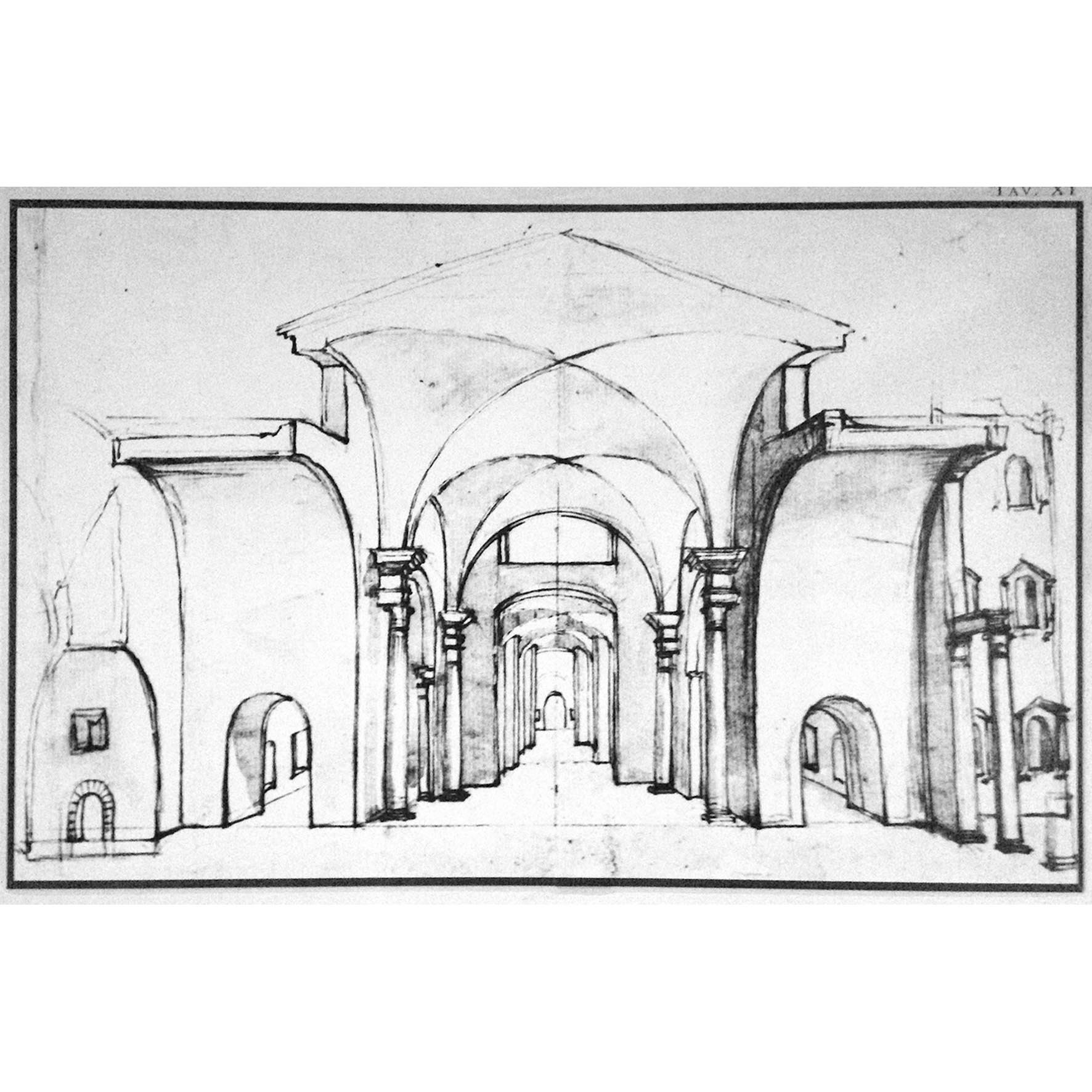
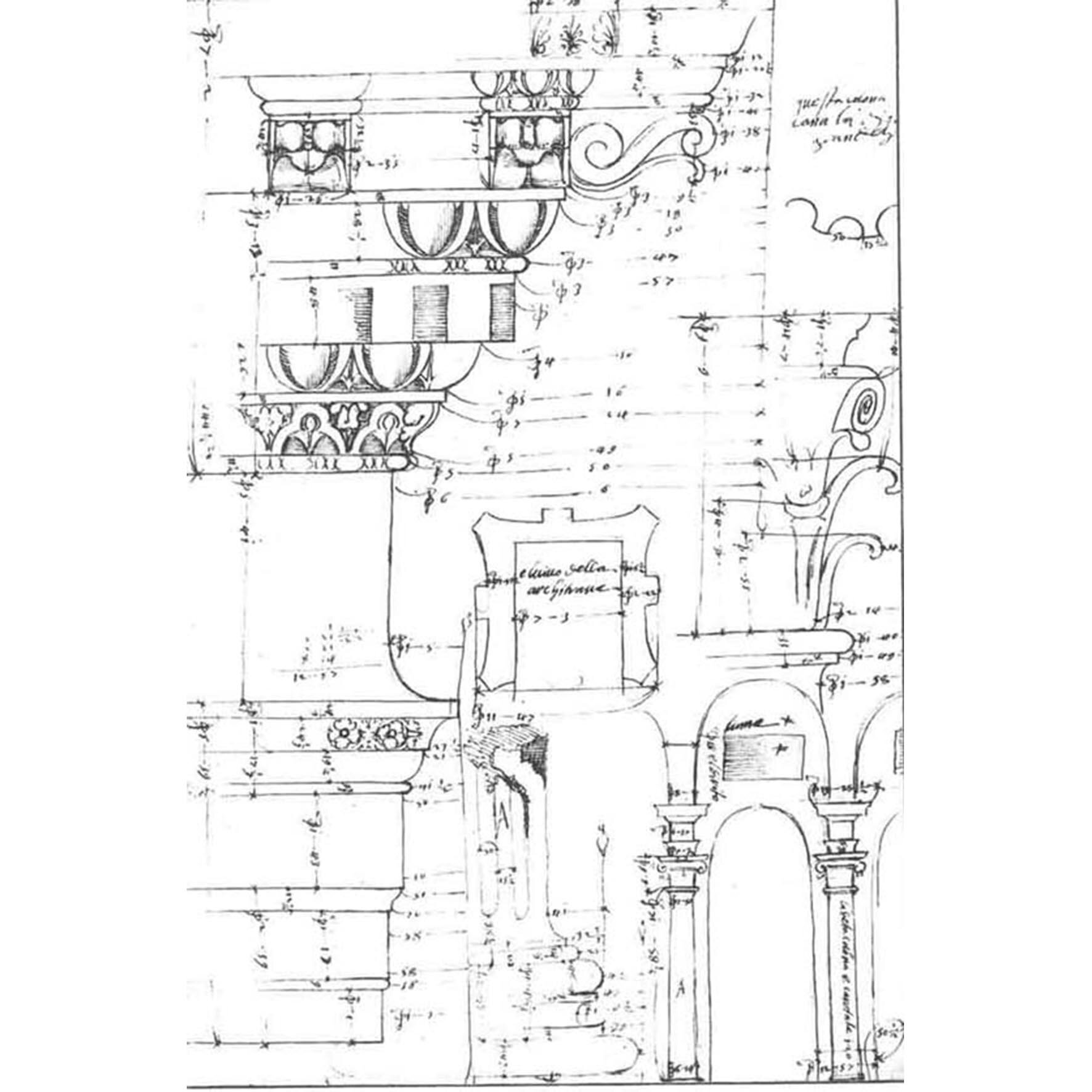
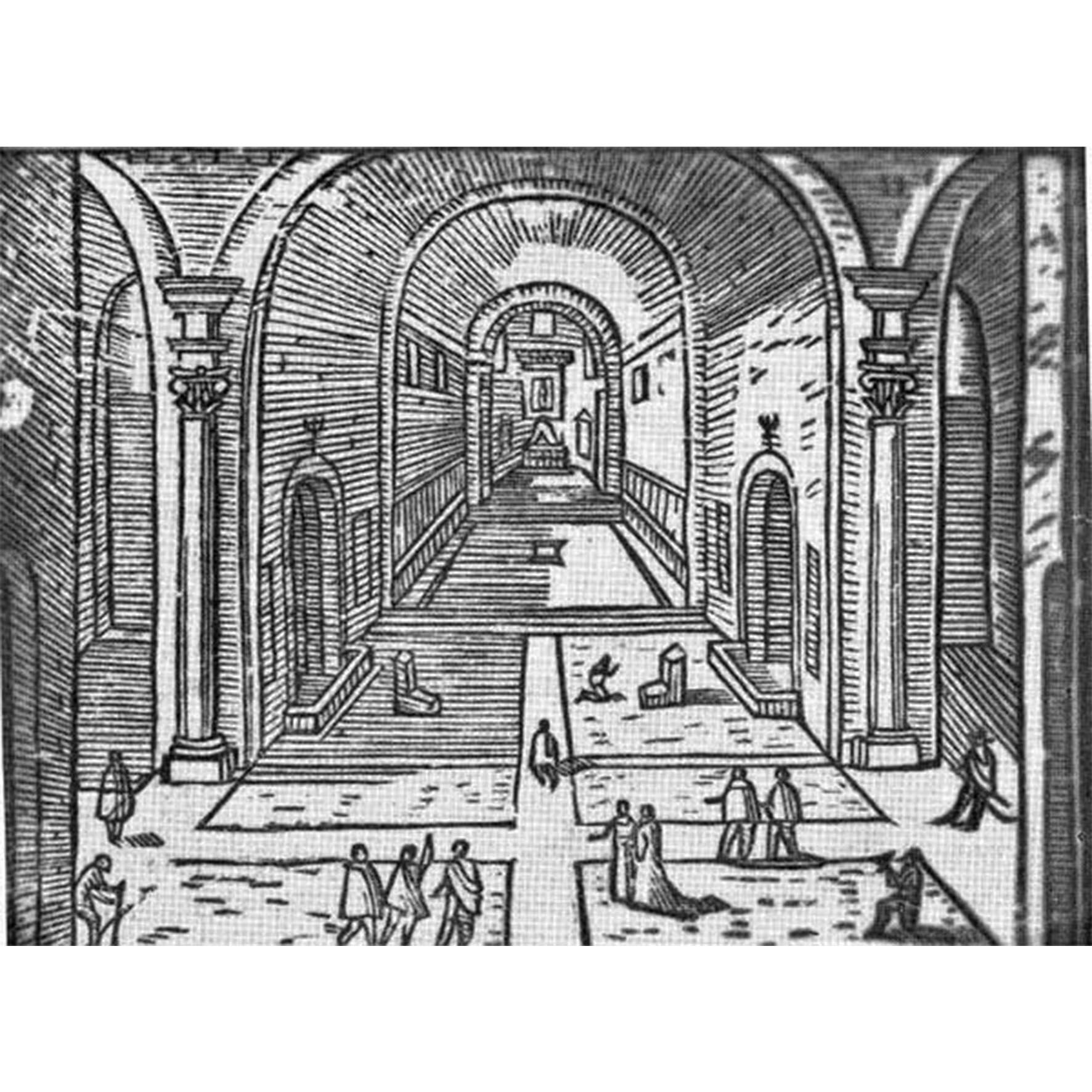
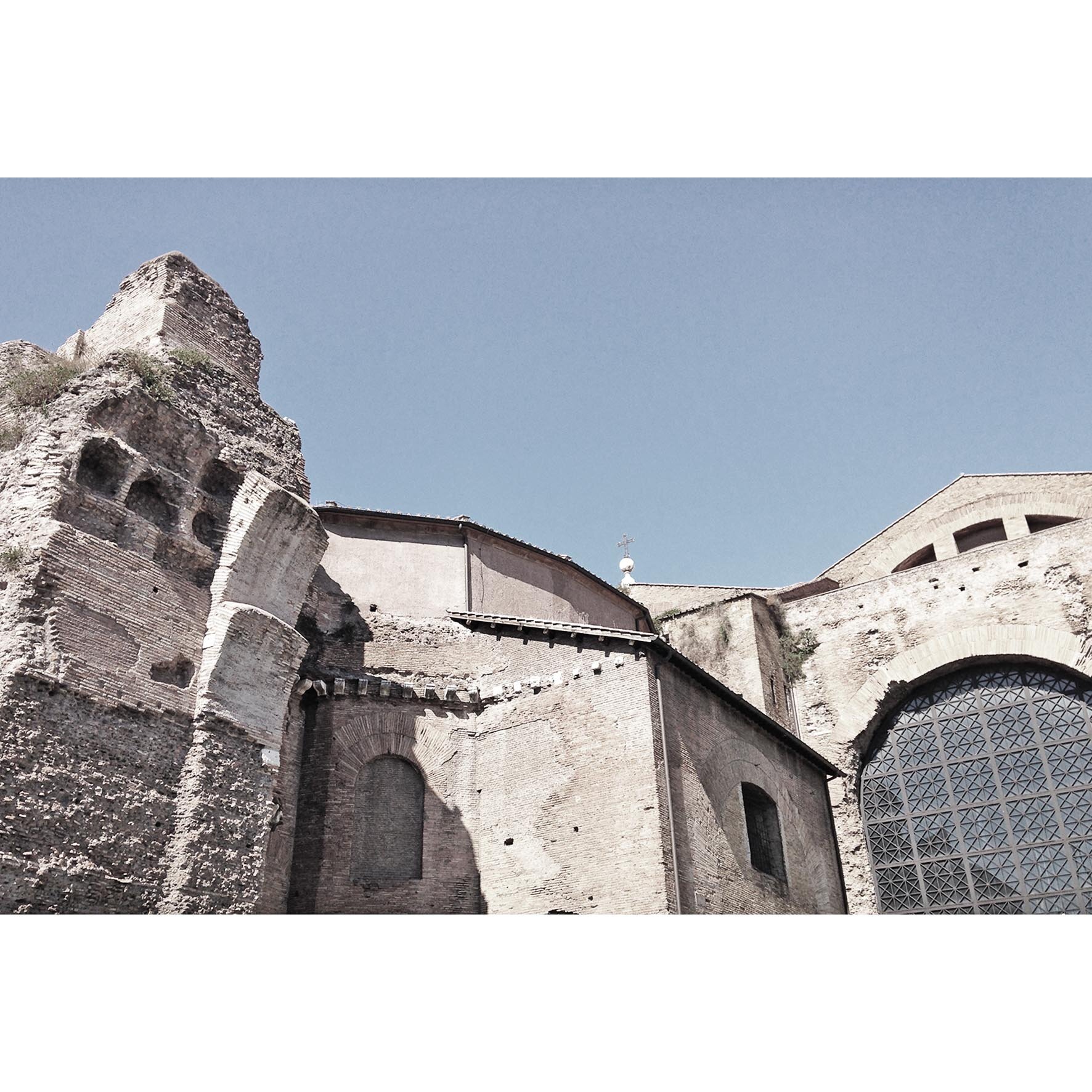
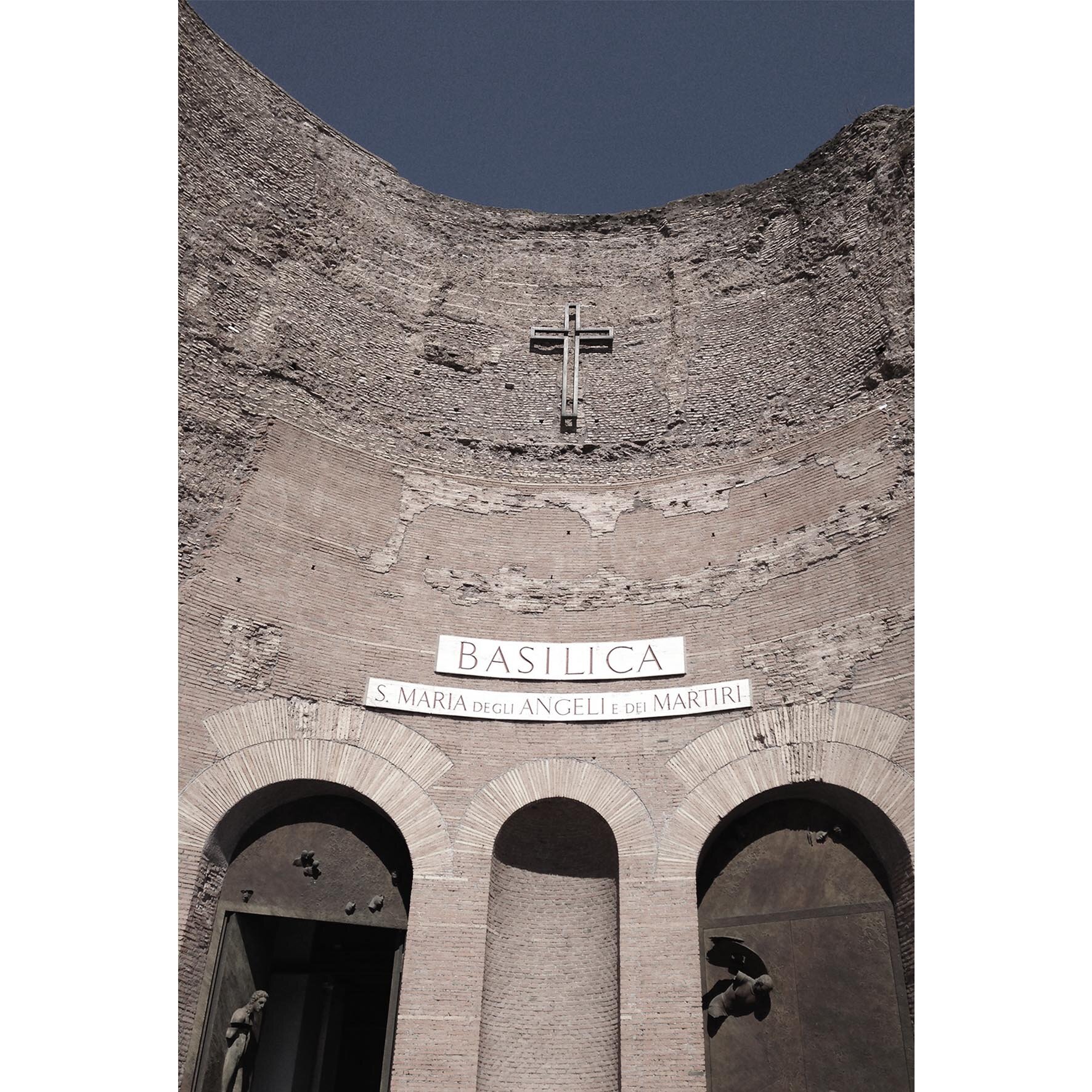
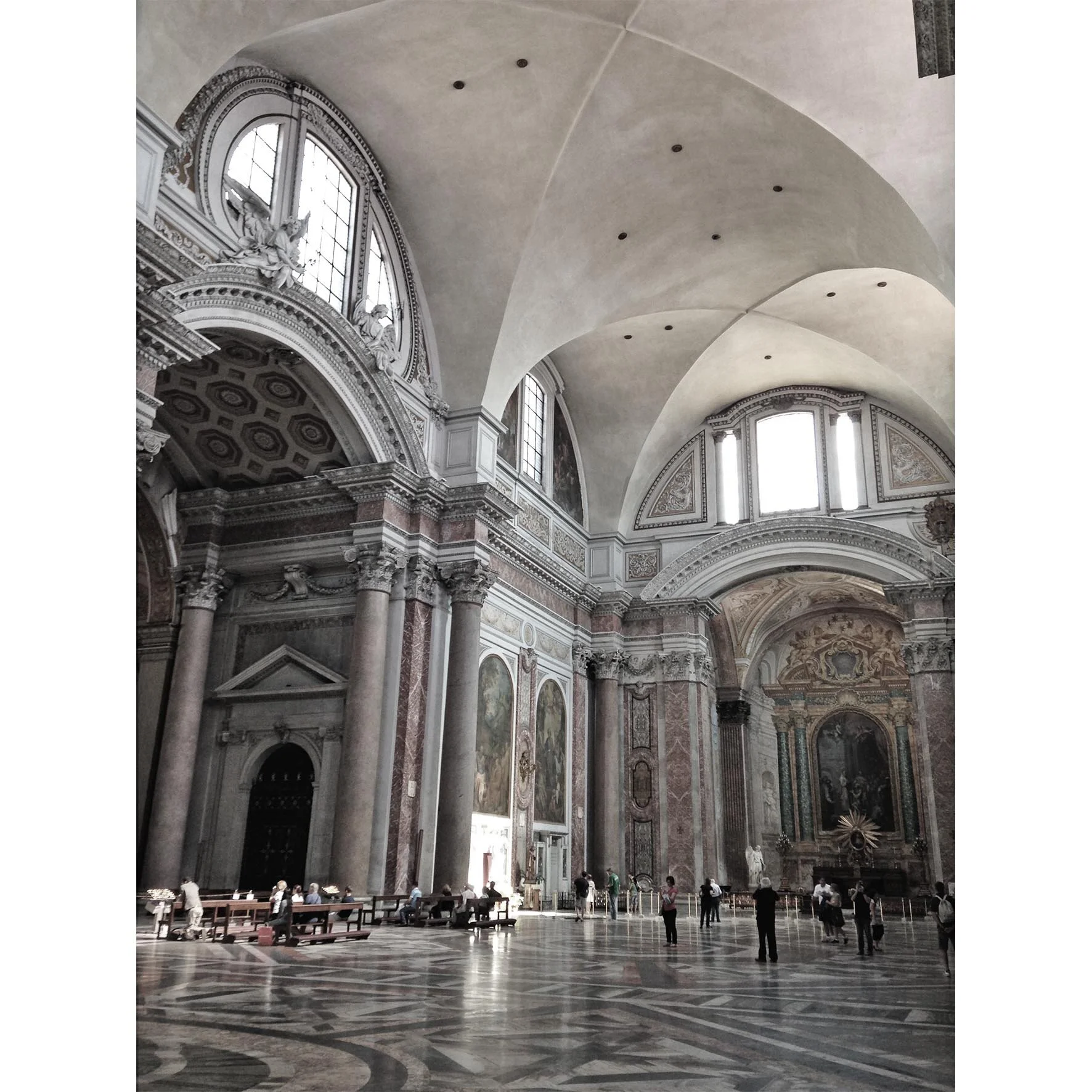
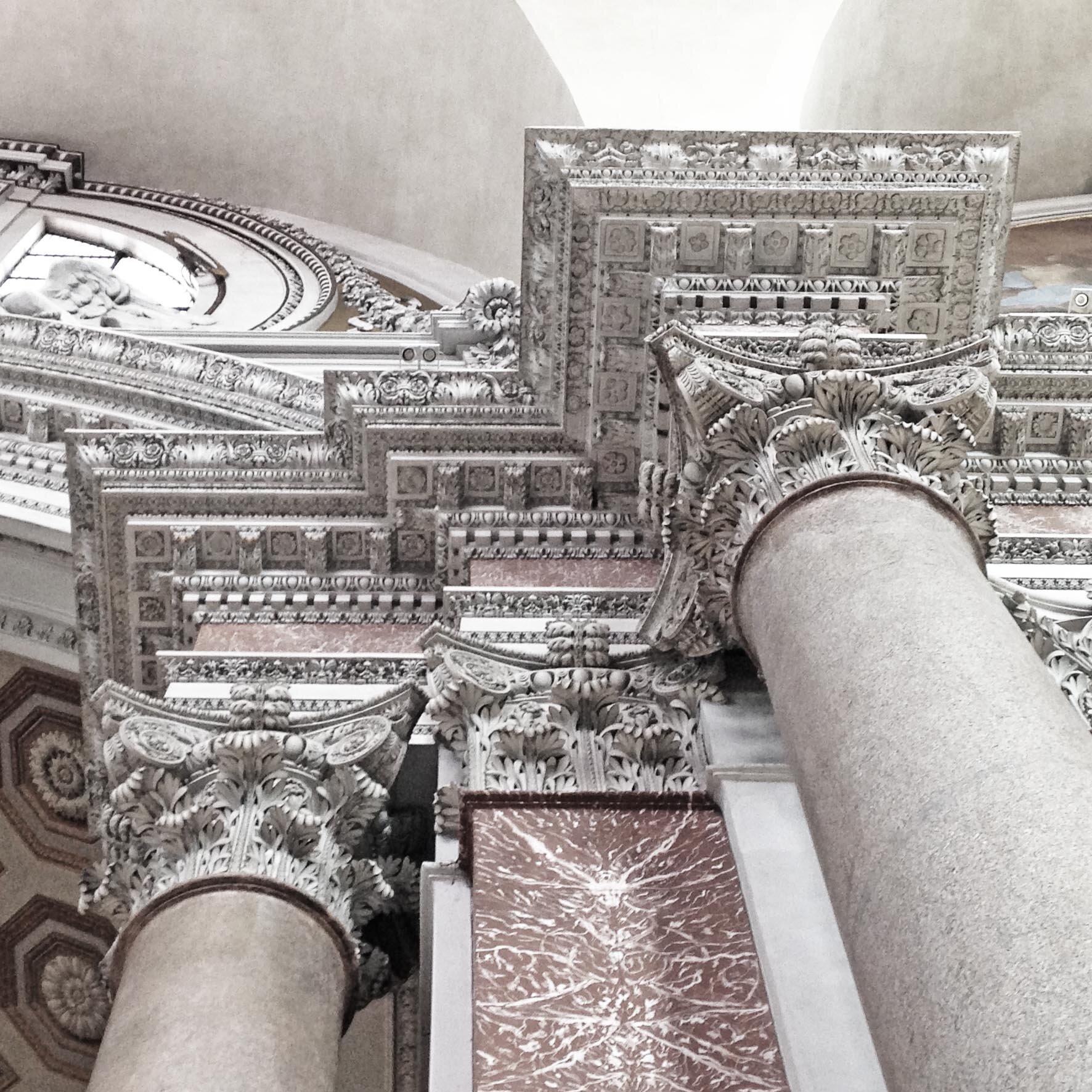
A recent discussion in the studio saw us debating our all time favourite adaptive reuse projects, and I thought the results would make for an interesting set of journal articles – as well as a good chance to keep our minds moving during these bizarre times of industry-wide inactivity. There are many buildings I have visited over the years that could lay claim to the top spot, but I wanted to kick the series off by sharing some photos and drawings of the Basilica di Santa Maria delgi Angeli e dei Martiri.

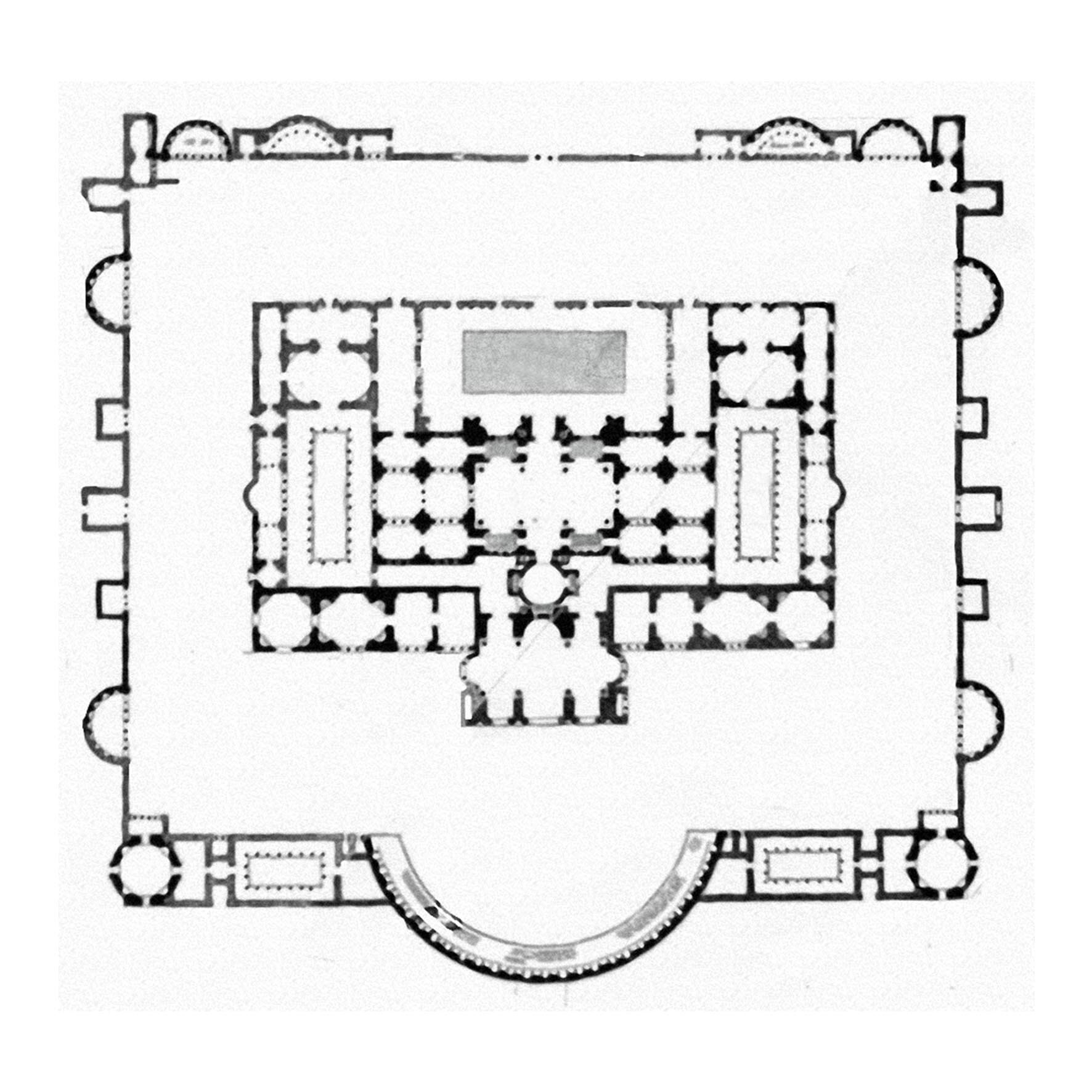
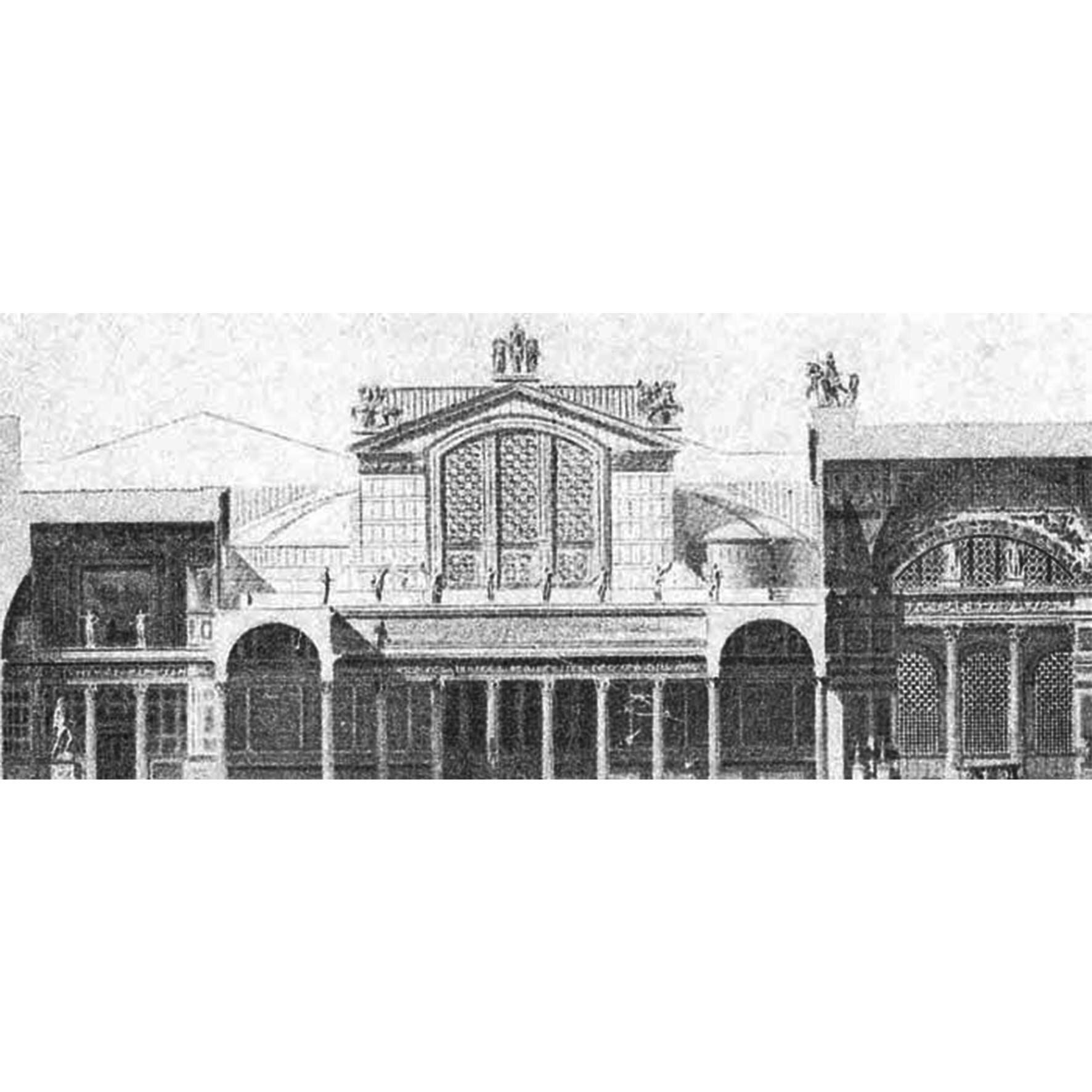
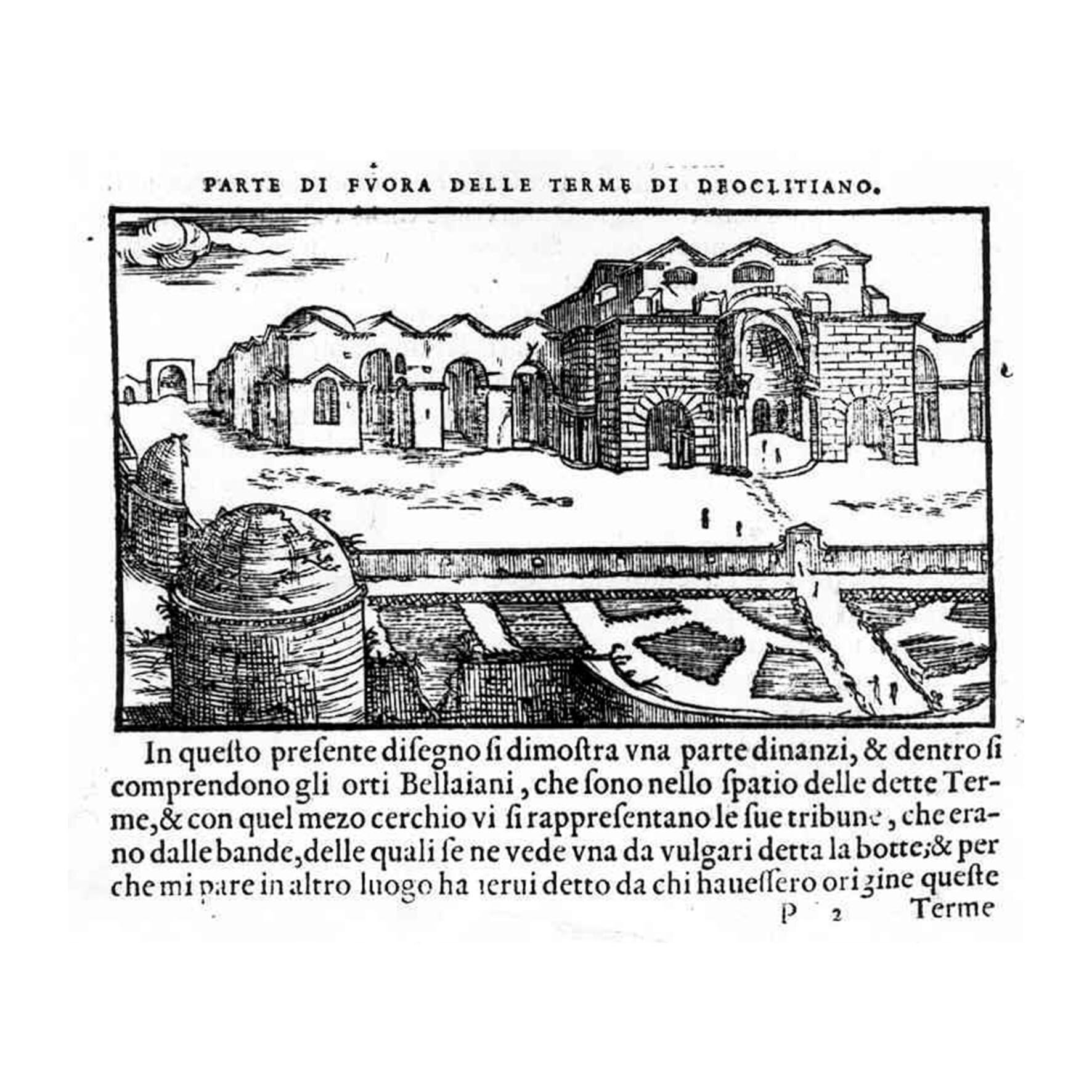
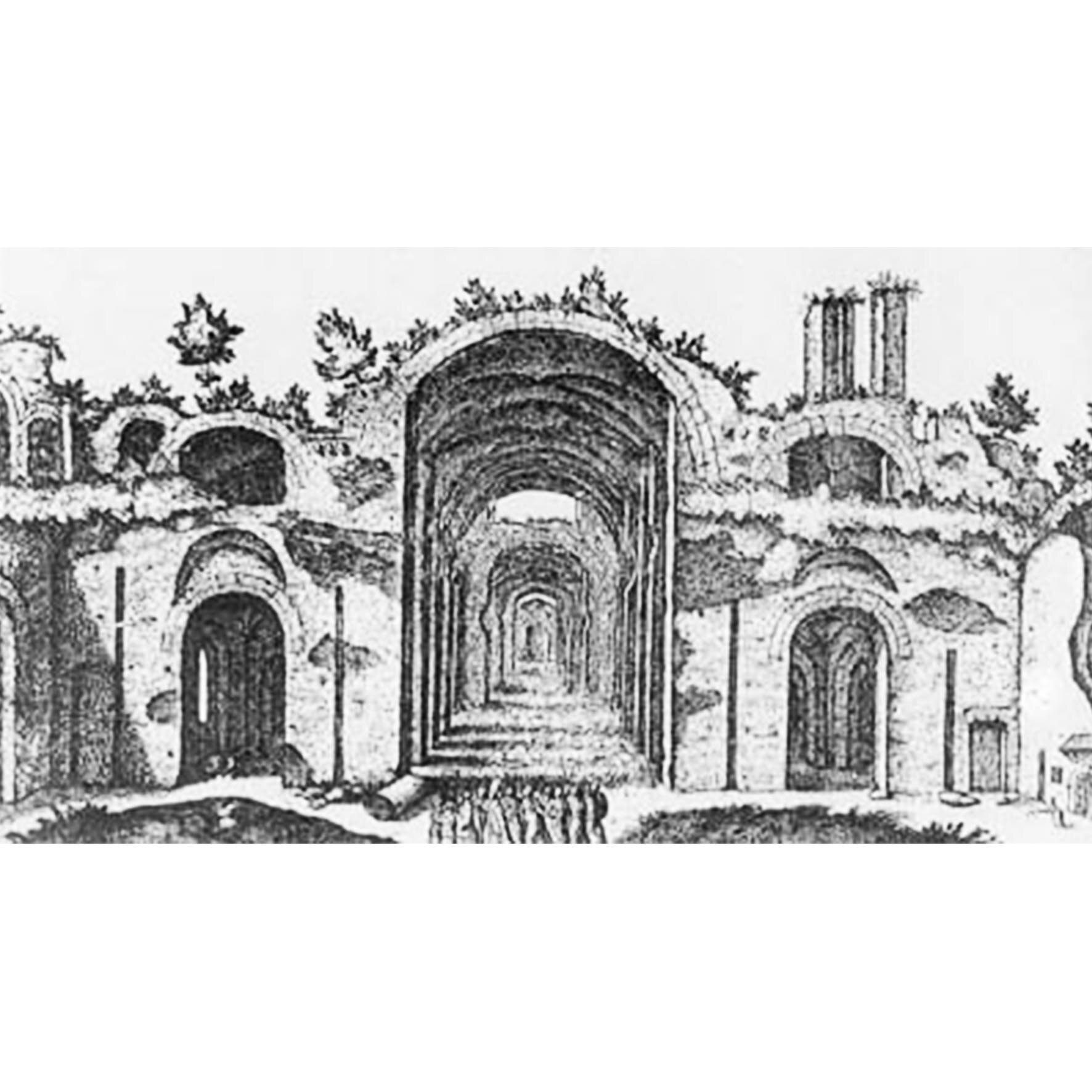
To start the story properly we must begin with the construction of the Great Baths of Diocletian, between 298 and 306 AD at the top of Rome’s Viminal Hill. The site was the largest and most ambitious thermal baths in the Roman world when it was built; a sprawling complex of domes and vaults housing hot pools, cold pools, gymnasia, civic meeting spaces and gardens arranged around a vast central frigidarium. As well as playing a key function in the health and hygiene of the populace, it was the heart of community life. The baths fell into disuse when the aqueduct that fed its water supply was destroyed during a sack of the city in the 5th Century. For the next thousand years the baths stood as an increasingly precarious ruin, as generations of Romans mined the structure for valuable construction materials.
Legend has it that the idea to convert the ruin into a church came to a Monk named Loreto Antonio Lo Duca following a vision received in 1541, when he saw a bright shining light emitting from the central hall of the crumbling edifice. It took another twenty years (and the succession of two new Popes), before designs were completed and works began. Michelangelo Buonarotti was appointed to oversee the design by Pope Pius IV, key to which was creating an appropriately dignified architectural setting for Pius’ own tomb. By this time Michelangelo was well into his late eighties, and consumed with his work at Saint Peter’s Basilica.

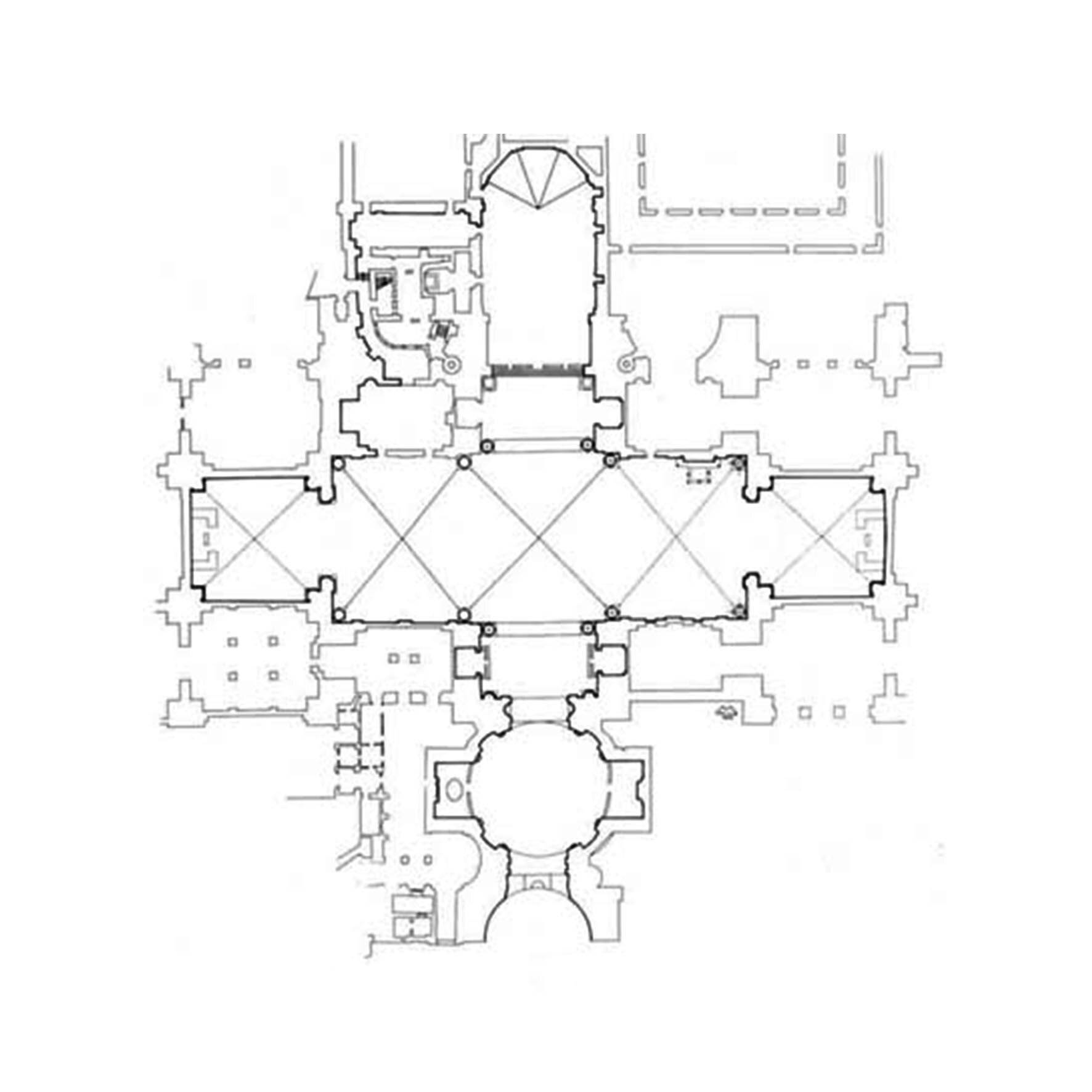
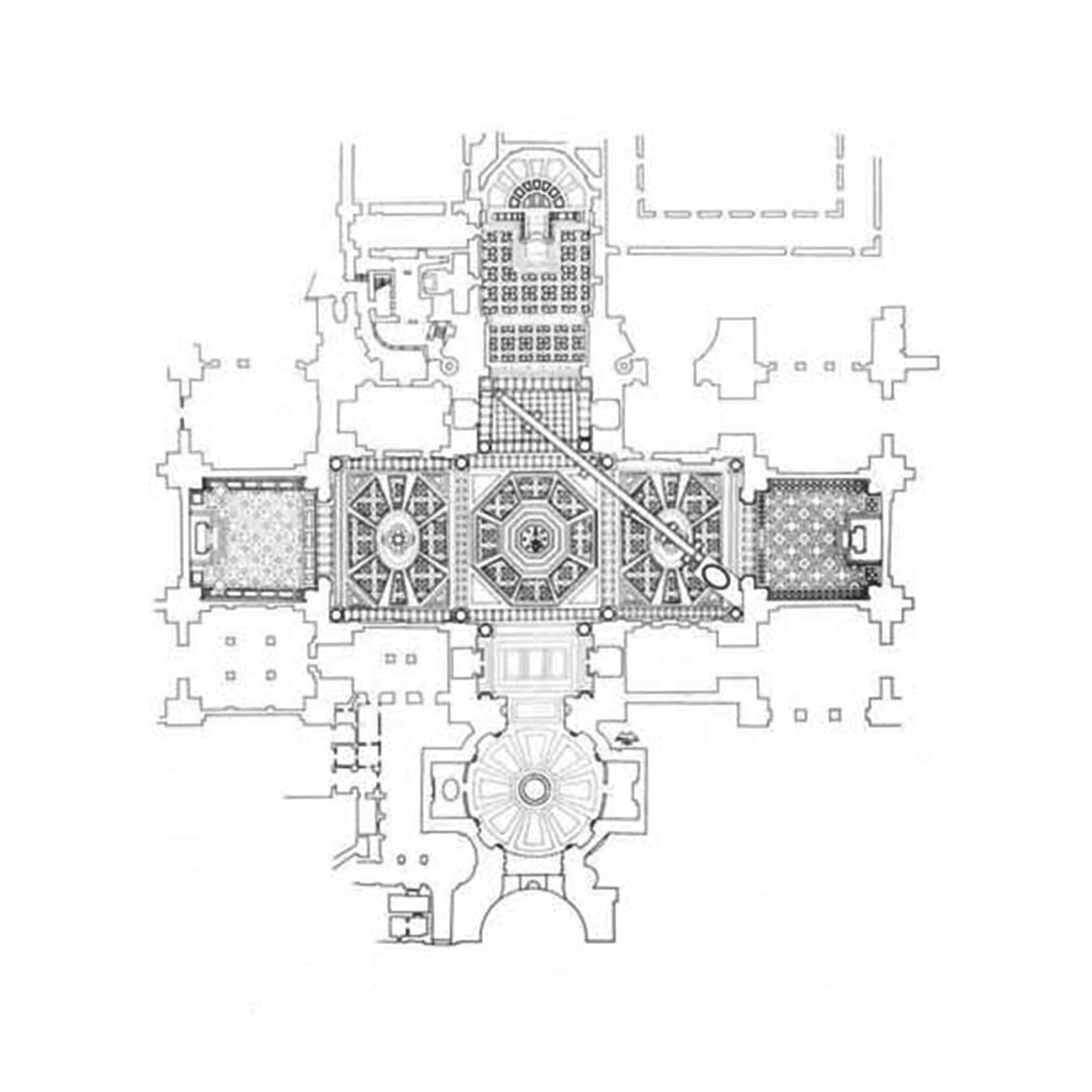
Much of the interior today is the result of Luigi Vanvitelli’s baroque overhaul in the 1750s (including a decorative marble floor with an inlaid sundial illuminated by light streaming through a small hole in the roof), so it is difficult to know how sparse or elaborate Michelangelo’s scheme was. We do know that the arrangement of liturgical spaces in amongst the ruined baths remains largely true to his 16thC designs; a Greek Cross of four equal transepts, centred on the remains of the vast frigidarium.

Aside from uniting one of Rome’s most typologically symbolic relics with one of the Renaissance’s most brilliant architectural designers, for me the church is more than the sum of its (extraordinary) parts. It exemplifies well the way apparent limitations of an existing structure can seed innovative solutions and surprising variations to well established archetypes (see my earlier blog on this subject here). In this instance, the existing proportions of the baths’ central hall created a transverse nave, significantly wider than its depth, resulting in a remarkable expanse of space beyond the proportionally constrained domed ante-chamber, and giving the chapels at each end a much more dramatic perspective. Heightening this sense of discovery is the omission of any ornament or ceremony to the façade (a subsequent change); instead the nave is entered through the craggy apsidal remnants of the former caldarium, creating an austere contrast to the scale of space and sumptuousness of decoration within.

Over a century after Alberti began the analysis and celebration of surviving Roman architectural relics, one can see how the glorification of classical ruins may have evolved into a reverence bordering on spiritual. Capitalising on the authentic purity' of the ancient baths to create a sacred space of divine worship remains in my view a masterpiece of ‘creative reuse’.

Charlie

images from the wonderful online archive at www.santamariadegliangeliroma.it


Finding the Everyday

 
Bristol Eckersberg.jpg
Eckersberg courtyard.jpg

Like many of us right now I’m finding solace in daily exercise, taking the form of a run if I have the energy and a walk if I don’t. Whilst on a recent jaunt around my particular patch of south Bristol, I stumbled across this strangely evocative scene. The half demolished/half built garden brought to mind a painting by Danish artist Christoffer Wilhelm Eckersberg.

The piece titled A Courtyard in Rome (1813) depicts - as the name would suggest - a courtyard, bathed in sun, surrounded by rustic buildings and a terrace defined by plant pots. In the essay, ‘A Real Living Contact with the Things Themselves’ Irénée Scalbert uses the painting to mark a moment during which scholars engaged in The Grand Tour moved their attention away from the picturesque landscapes and classical language that had interested the previous Romantic generation. Instead, they turned their gaze towards what surrounded them, the ordinary, the everyday. In this case, that meant recording the lives and spaces of peasant Italy, away from the well-trodden paths of baroque Rome and Tivoli, towards the communities and rural landscapes of Capri and Naples. What they found in the ordinary was no less picturesque. Through a concentration on the things that surrounded them, artists, writers and poets discovered the extraordinary and a certain beauty.

This brings me back to that piece of smashed-up yard in Bristol. Perhaps beauty is a bit strong, however as the world feels like it’s on pause, moments like these that make me pause on my walk, feel evermore worthwhile.

Joe