Finding the Everyday

 
Bristol Eckersberg.jpg
Eckersberg courtyard.jpg

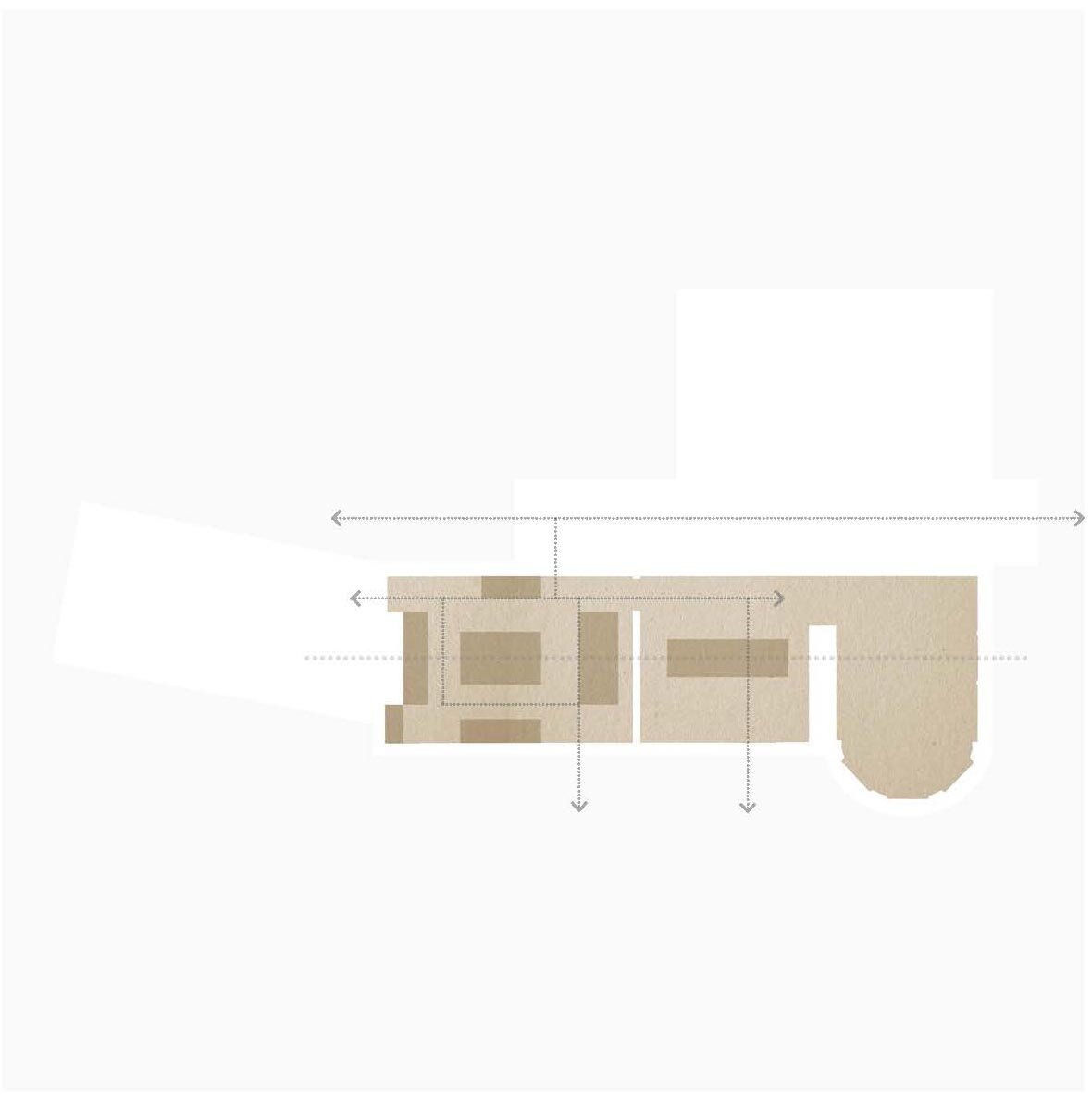
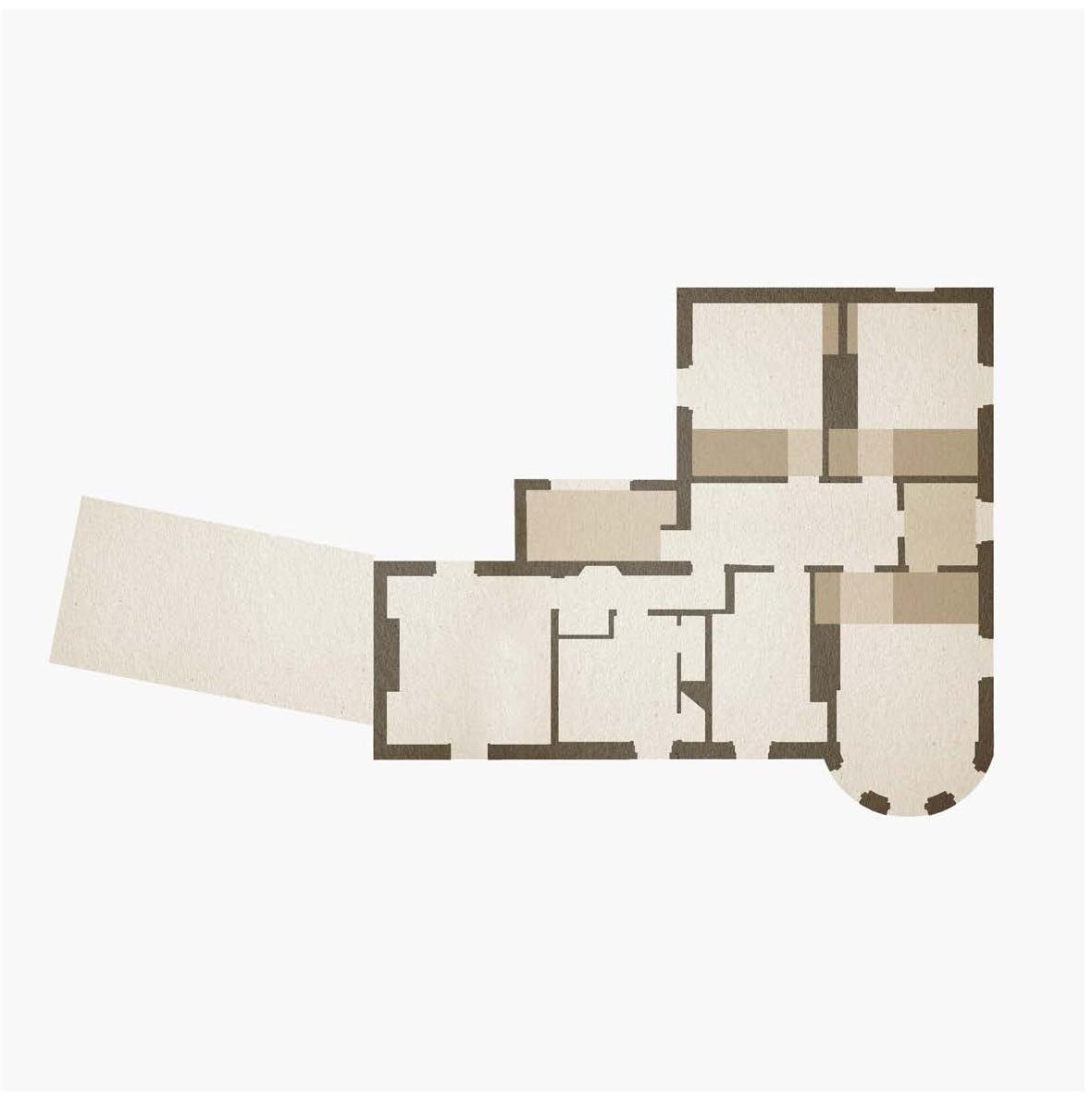
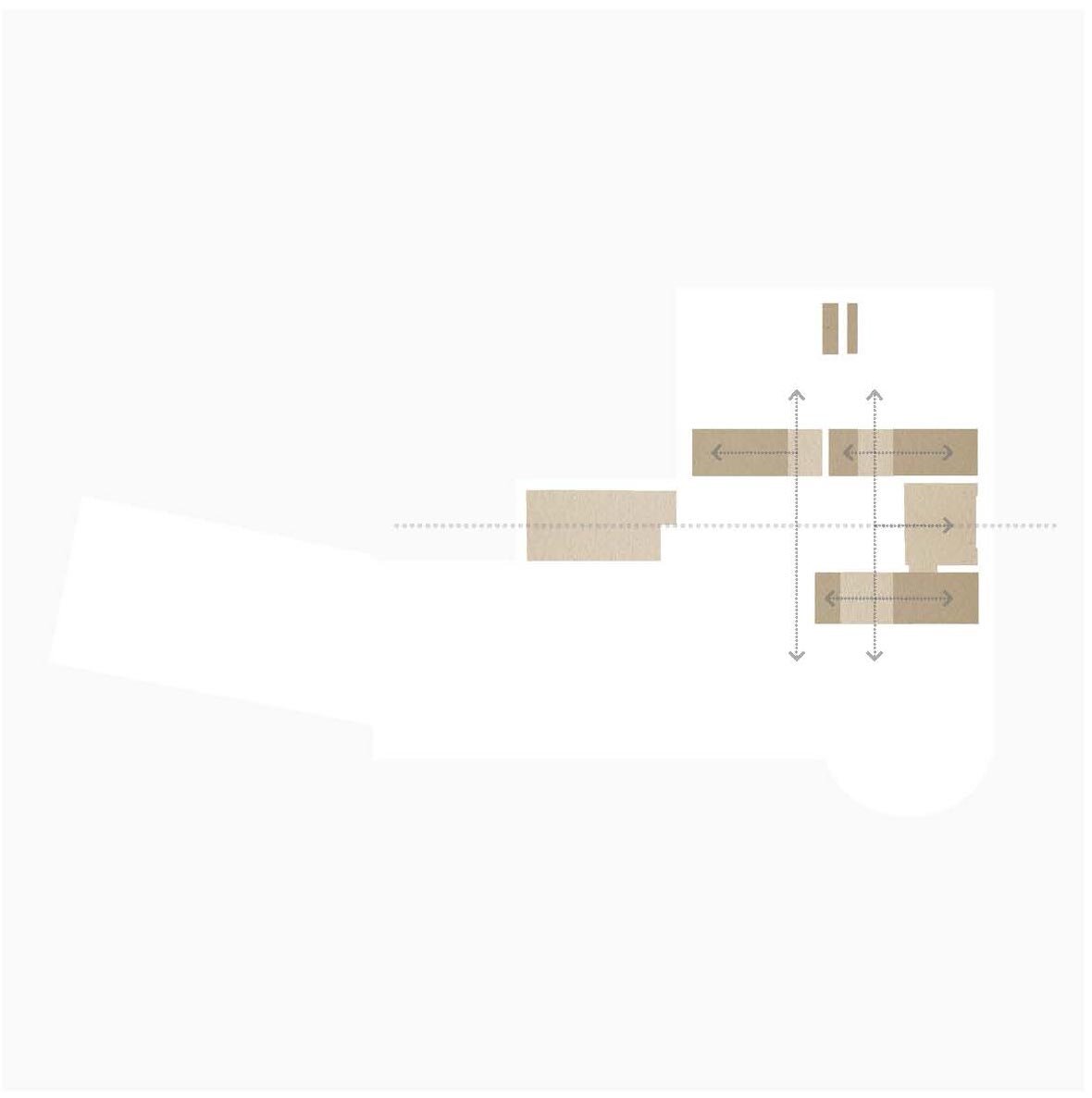
Like many of us right now I’m finding solace in daily exercise, taking the form of a run if I have the energy and a walk if I don’t. Whilst on a recent jaunt around my particular patch of south Bristol, I stumbled across this strangely evocative scene. The half demolished/half built garden brought to mind a painting by Danish artist Christoffer Wilhelm Eckersberg.

The piece titled A Courtyard in Rome (1813) depicts - as the name would suggest - a courtyard, bathed in sun, surrounded by rustic buildings and a terrace defined by plant pots. In the essay, ‘A Real Living Contact with the Things Themselves’ Irénée Scalbert uses the painting to mark a moment during which scholars engaged in The Grand Tour moved their attention away from the picturesque landscapes and classical language that had interested the previous Romantic generation. Instead, they turned their gaze towards what surrounded them, the ordinary, the everyday. In this case, that meant recording the lives and spaces of peasant Italy, away from the well-trodden paths of baroque Rome and Tivoli, towards the communities and rural landscapes of Capri and Naples. What they found in the ordinary was no less picturesque. Through a concentration on the things that surrounded them, artists, writers and poets discovered the extraordinary and a certain beauty.

This brings me back to that piece of smashed-up yard in Bristol. Perhaps beauty is a bit strong, however as the world feels like it’s on pause, moments like these that make me pause on my walk, feel evermore worthwhile.

Joe
 

Listed Building Consent granted in Wiltshire


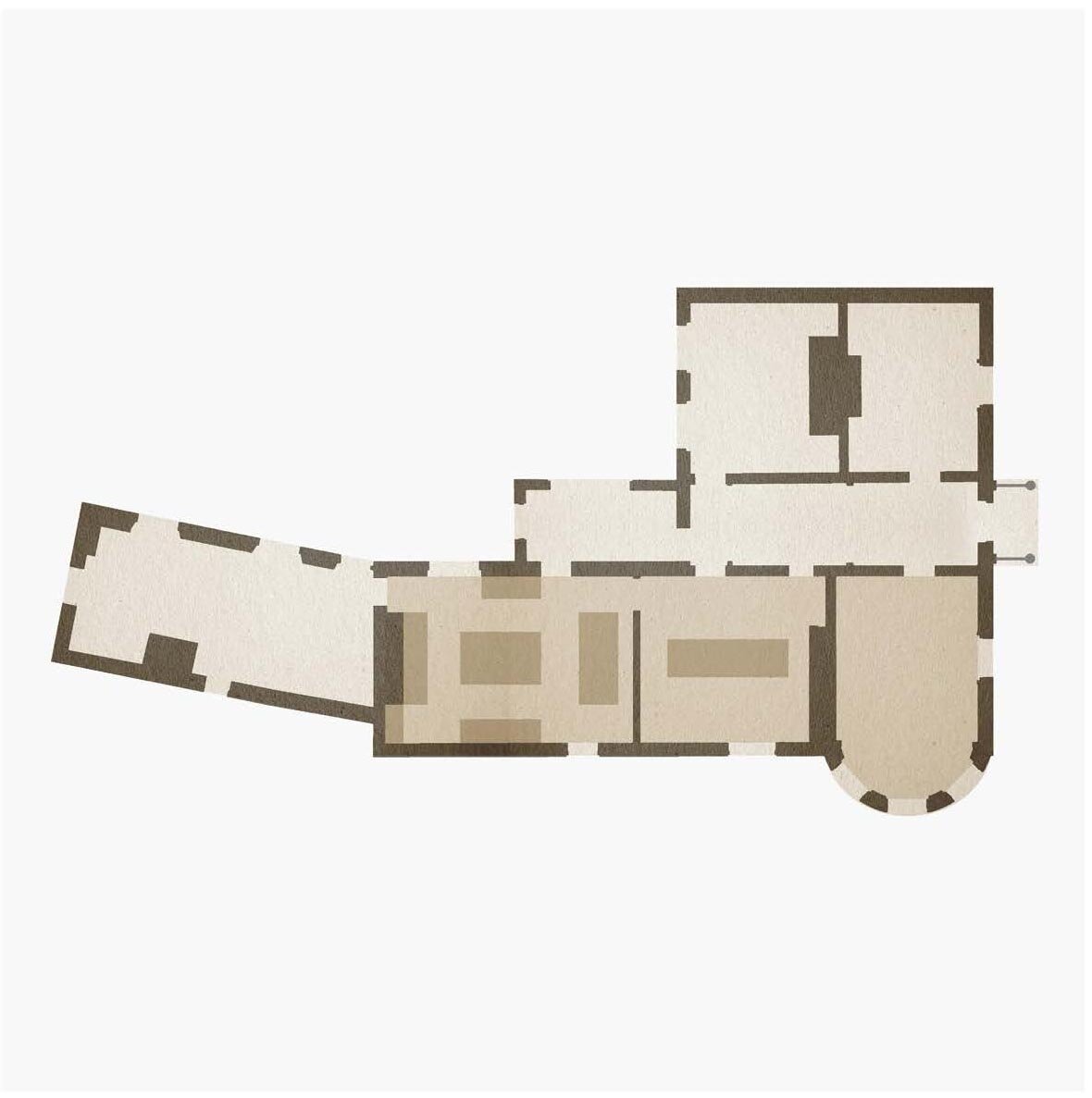
It has been a busy week for our farmhouse refurbishment project in Wiltshire; Listed Building Consent has been formally granted and the contractor has begun investigative opening-up works of the existing structure. We are trying to learn as much as we can about the different phases of the house’s history as we progress detail design, before commencing construction works this summer.


Site Progress in Cotswolds


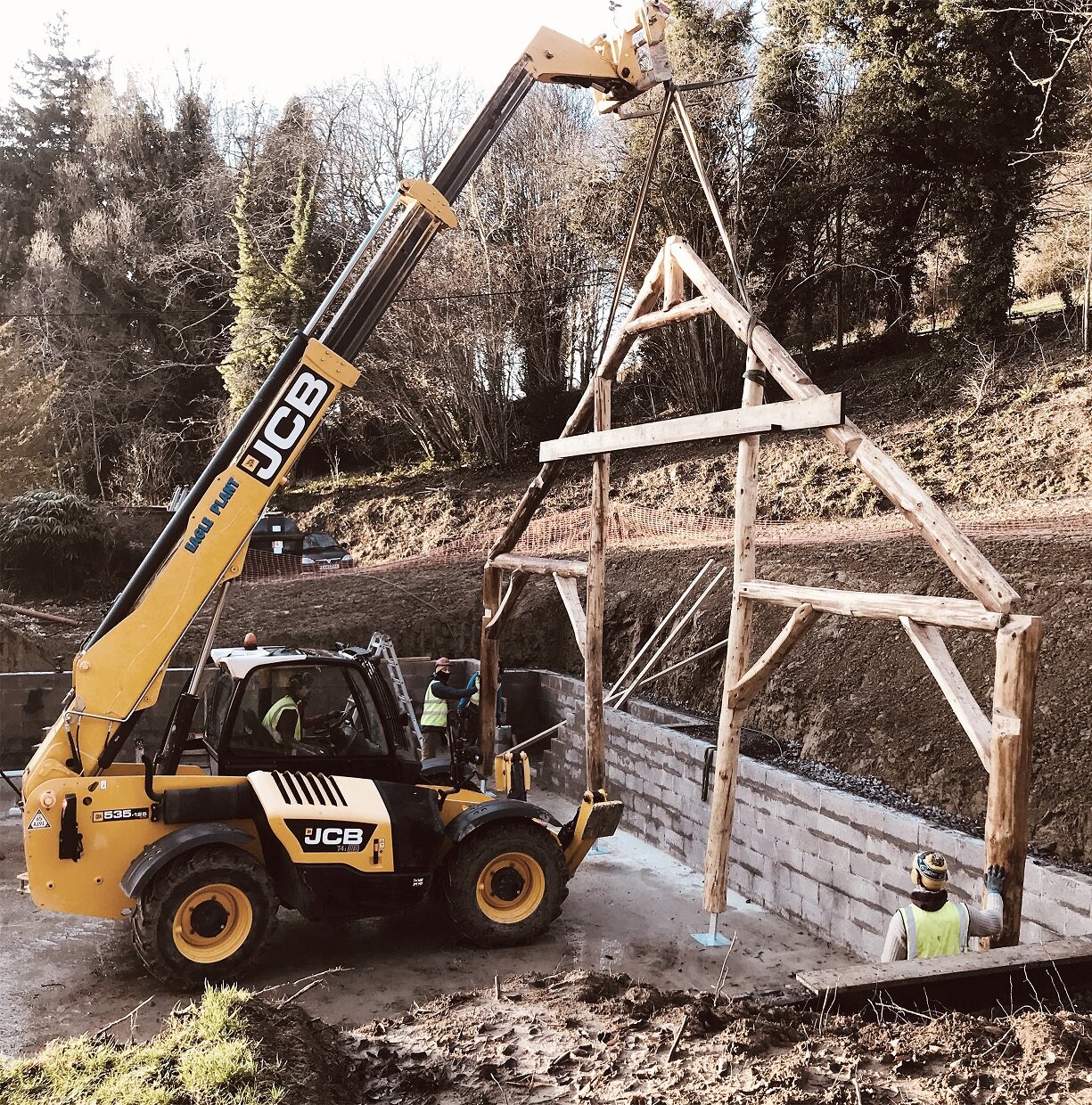
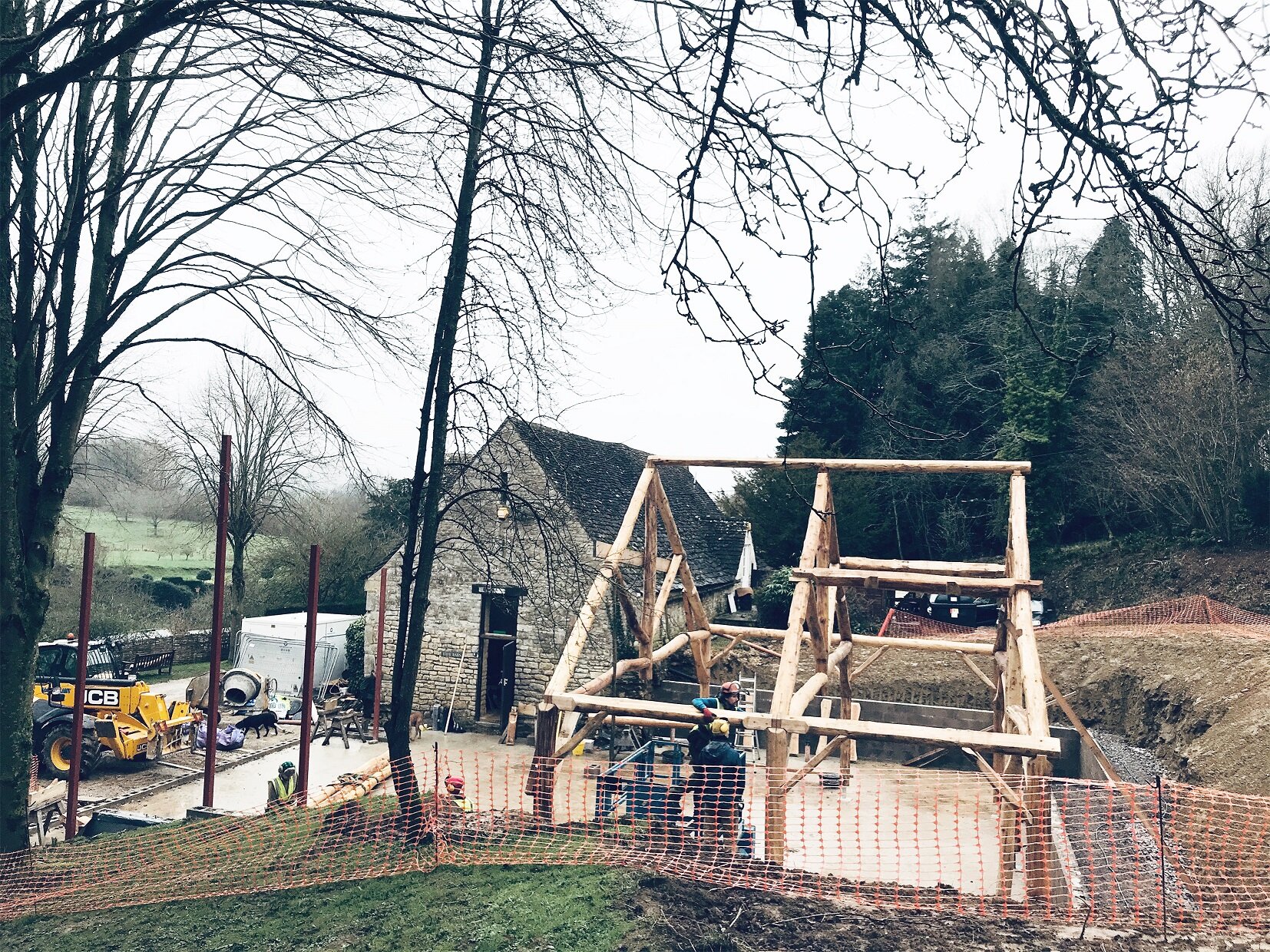
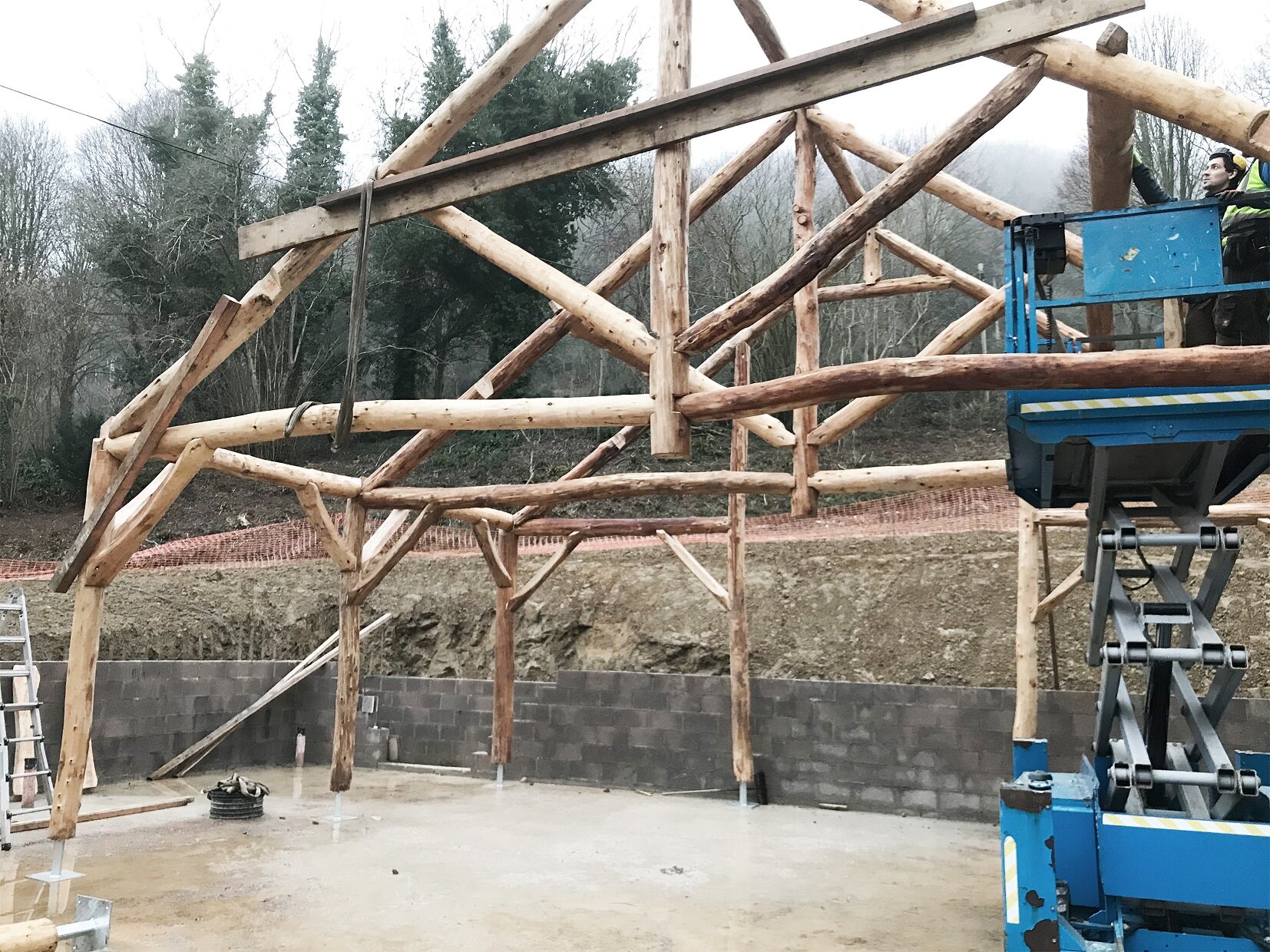
We have enjoyed following the construction progress of the new events hall at Owlpen Manor on the Estate’s official Instagram account – www.instagram.com/owlpenmanor.

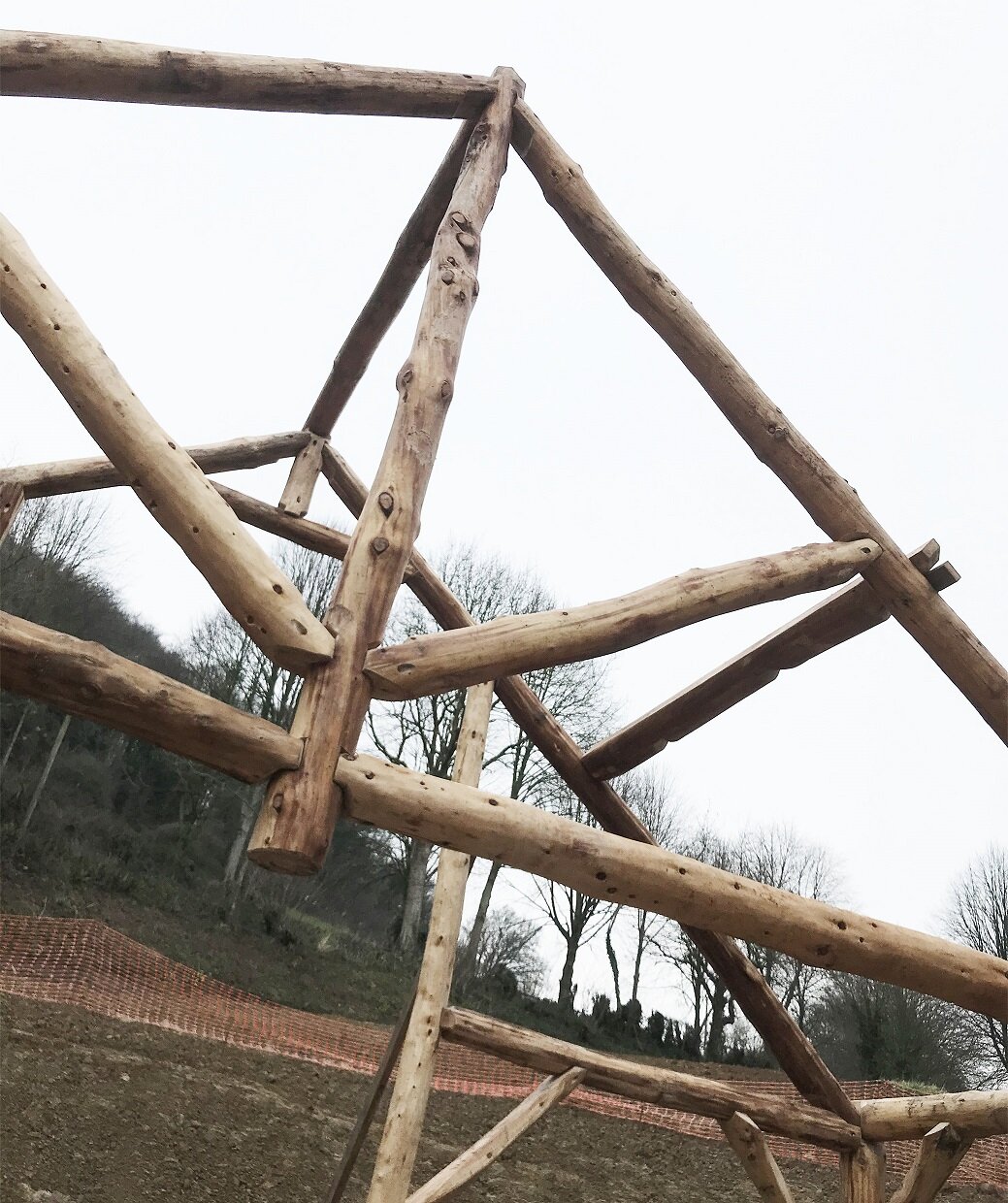
The larch for the frame was carefully selected from various locations around the Estate’s woodland to minimise the ecological impact of the felling, before being seasoned and fabricated by Tom and his team at Round Wood Design back here in Bristol.

The completed hall will overlook the Tudor gardens to the south, sitting as a contemporary friend to the 15thC Tithe Barn. All images copyright of the Owlpen Estate.


Pre-Contract Meeting in Hampshire


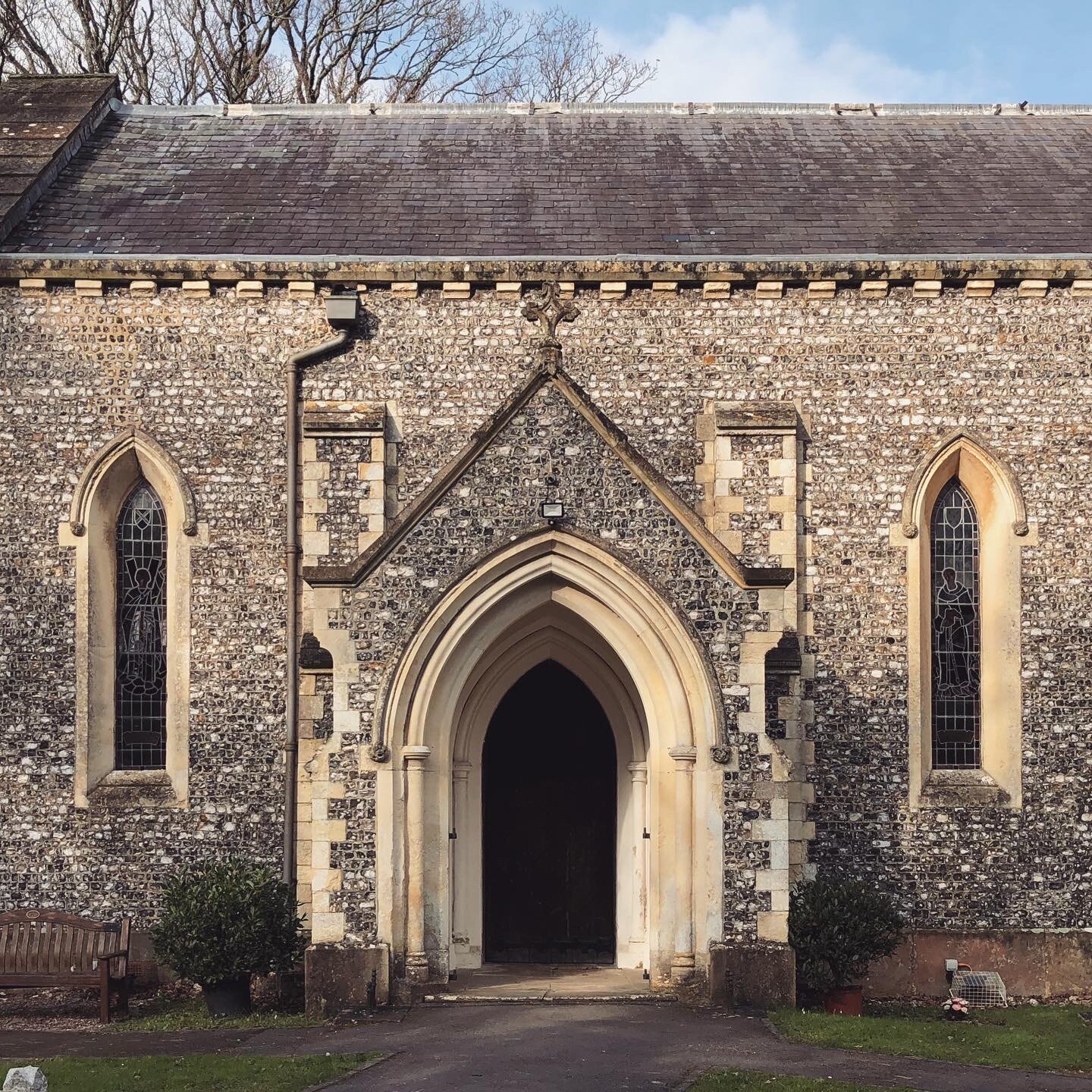
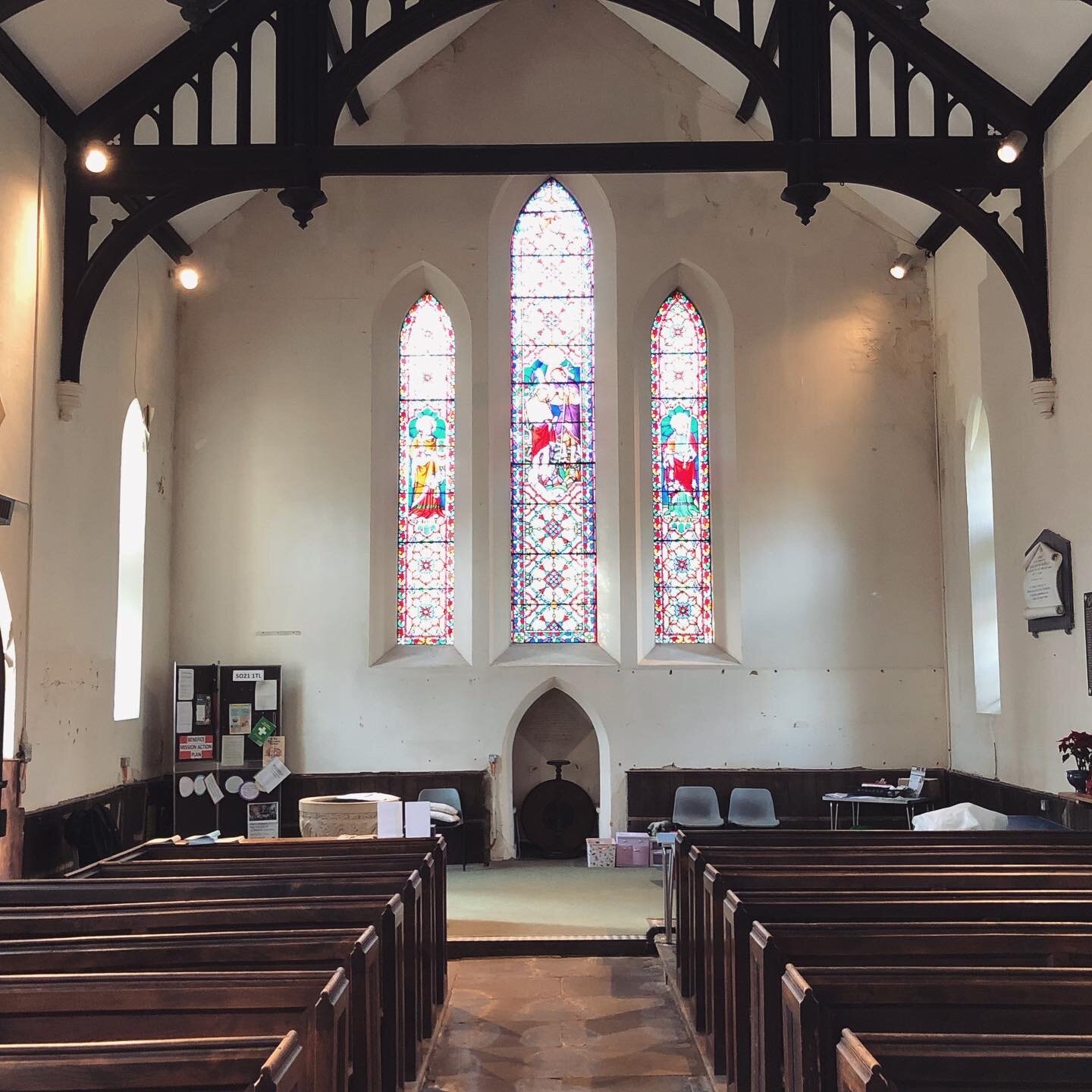
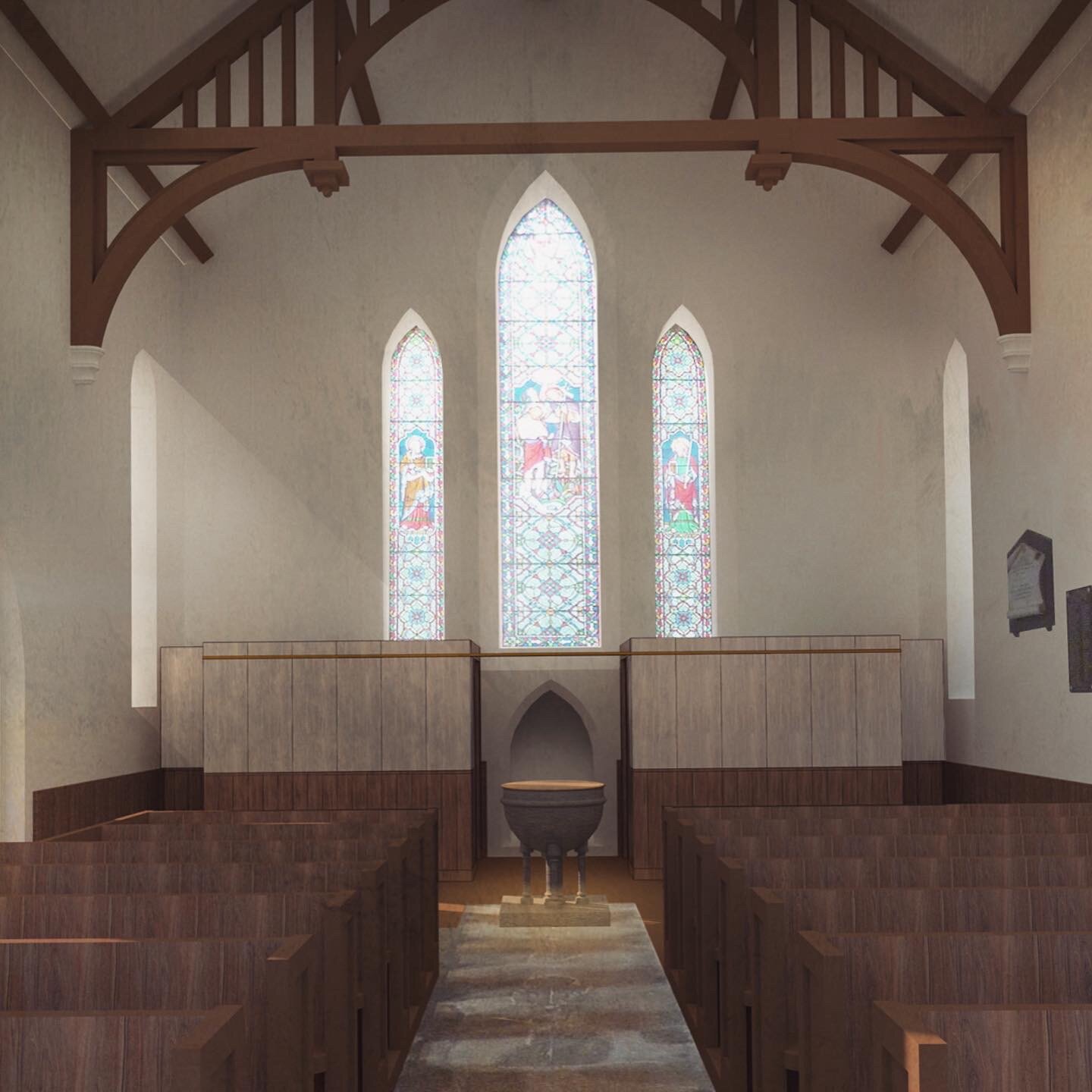
Construction information has been approved by the PCC at Holy Trinity Colden Common this week, with the contract signed and ready to commence after Easter. A group of volunteers from the congregation have done a great job clearing the west end of furniture and finishes, ready to receive their new kitchenette and WC.

The new facilities will improve the congregation’s ability to host events in the nave throughout the week, maximising the community’s access to this significant listed building.


Tiverton Town Hall


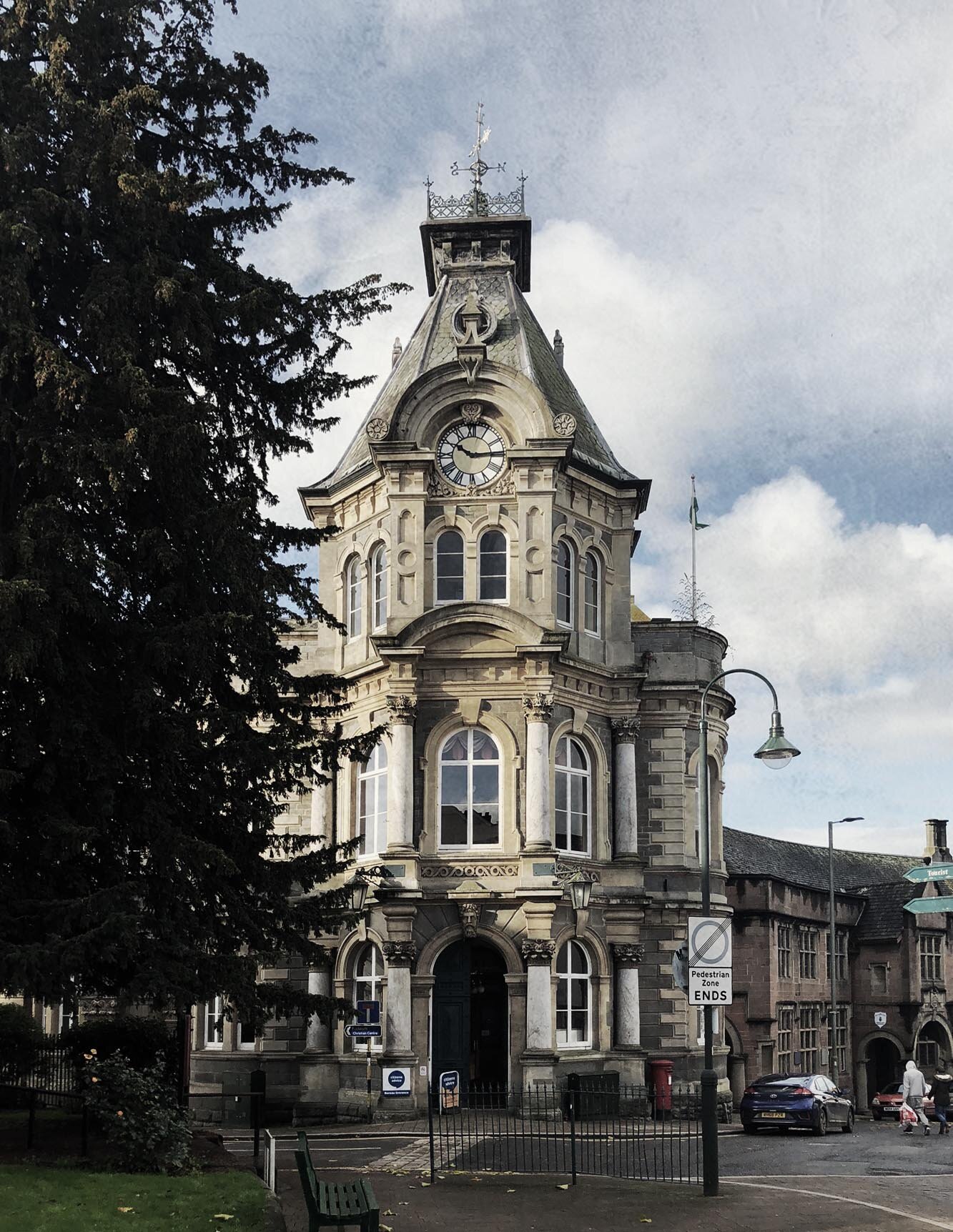
Connolly Wellingham Architects have been appointed to survey condition and advise on remedial works to the roof at Tiverton’s Grade II listed Town Hall. The Victorian renaissance building was completed in 1863 by Bristol architect H.Lloyd, and demonstrates the civic ambition of the town during its most prosperous industrial years.

Listed Building Consent was submitted in December 2019 with works expected to progress in 2020.

191114_TTH Elevation 01.jpg
 

The Long Gallery


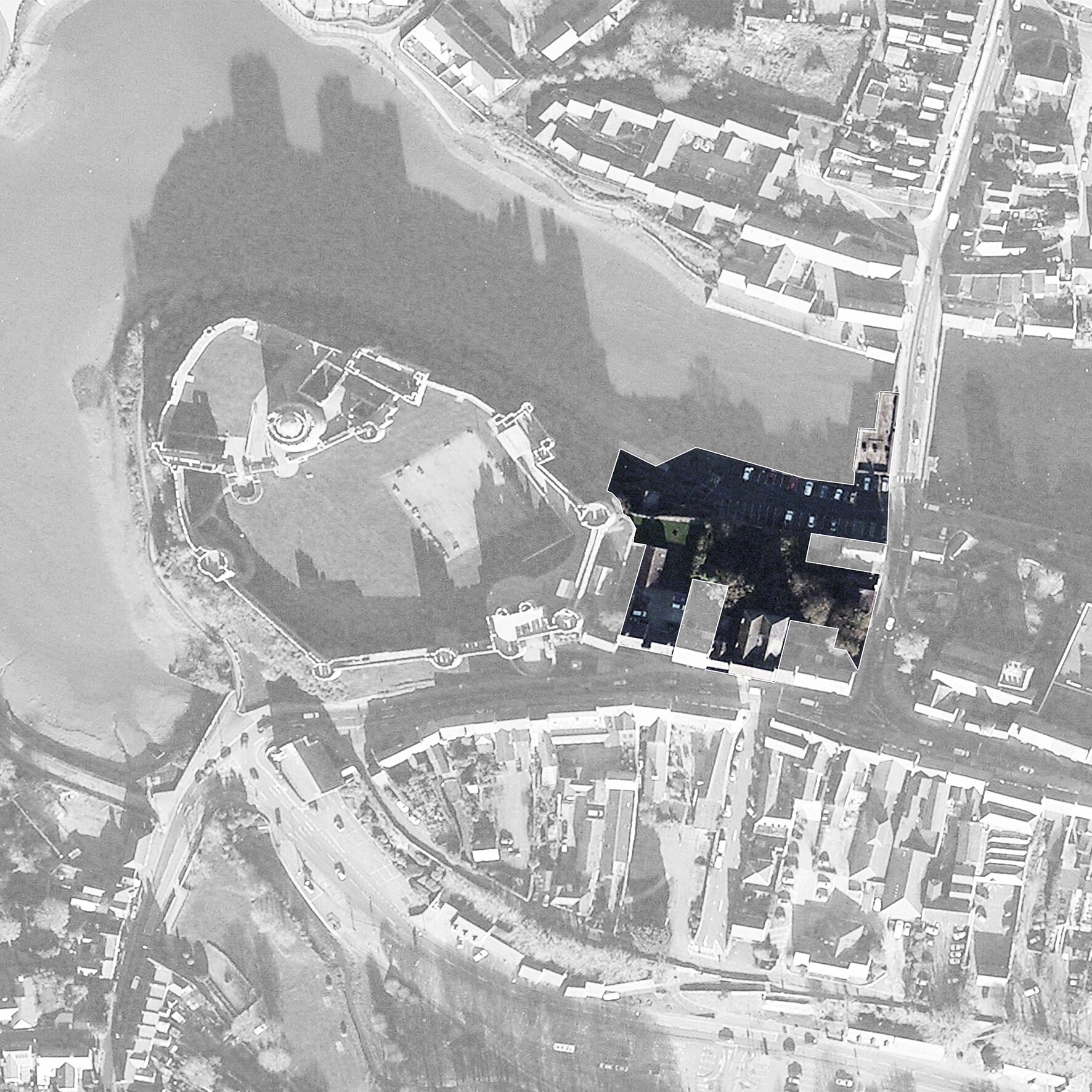
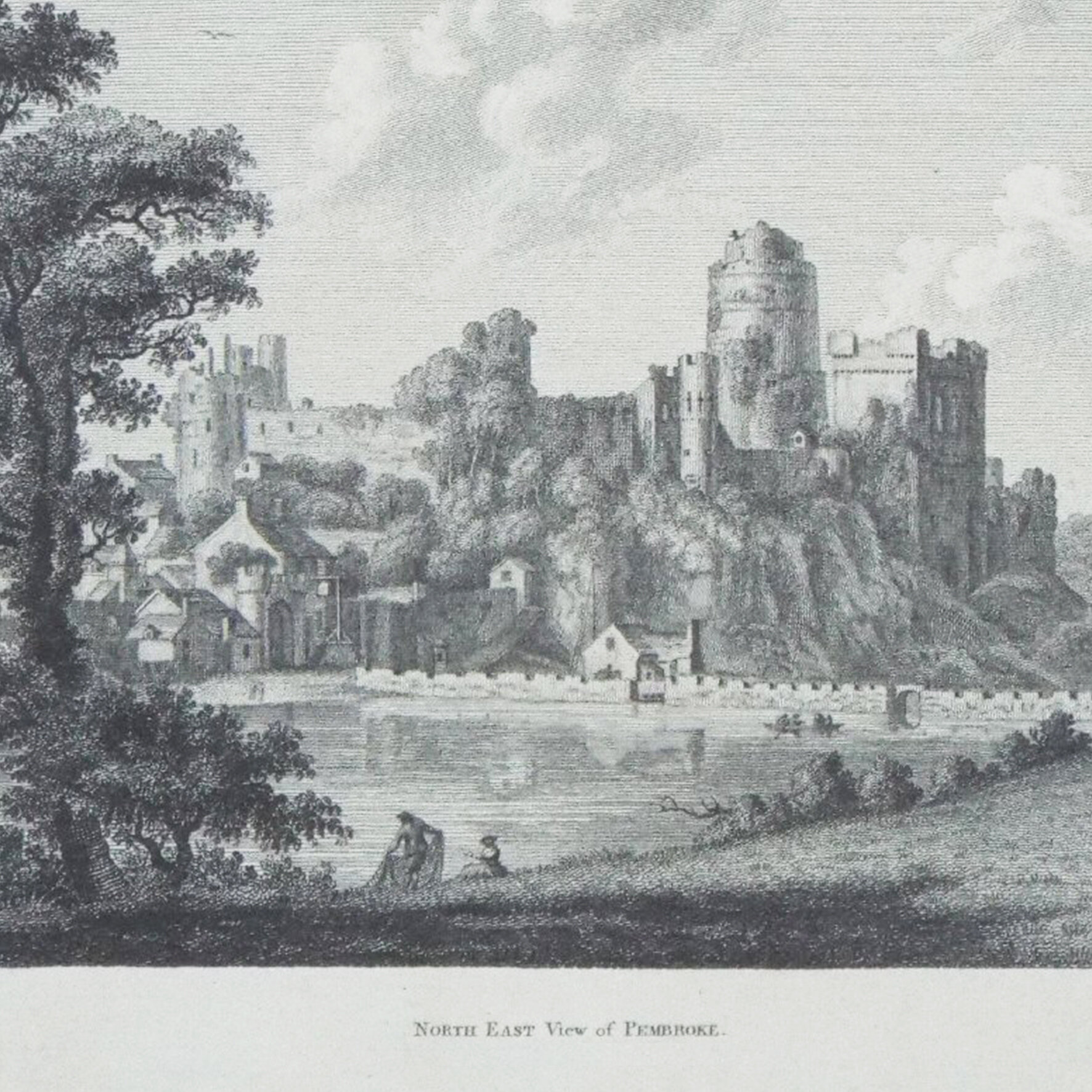
In 2019 Connolly Wellingham submitted proposals to an open-call ideas competition for a new cultural heritage centre on a prominent site in Pembroke, southwest Wales. The brief aims to catalyse the regeneration of the town’s Quays through the introduction of a mixed-use Henry Tudor Heritage Centre and Library, on a back-yard plot adjacent to the Norman Castle and overlooking the Pembroke River.

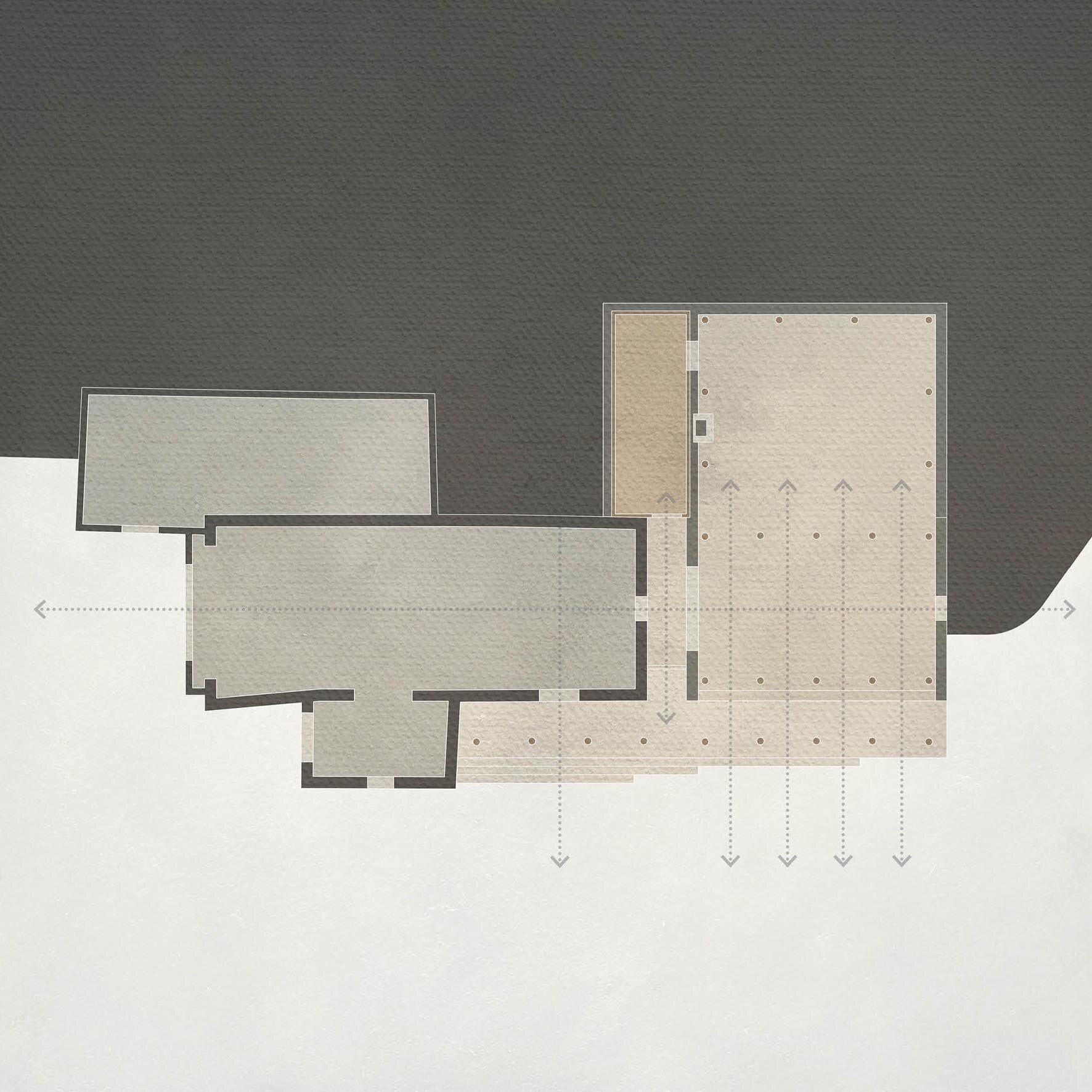
The steeply sloping site connects the river-side Quays to the north, across a ten-metre level change, up to the High Street to the south, and spans three historically distinct medieval burgage plots. Aside from an adjacency to Henry VII’s birthplace, the site is rich in accrued narrative history, with physical ties to the Norman castle, the medieval urban grid, the Georgian shop-fronts, the industrial Quayside, and archaeological remains of the 19thC water mill.

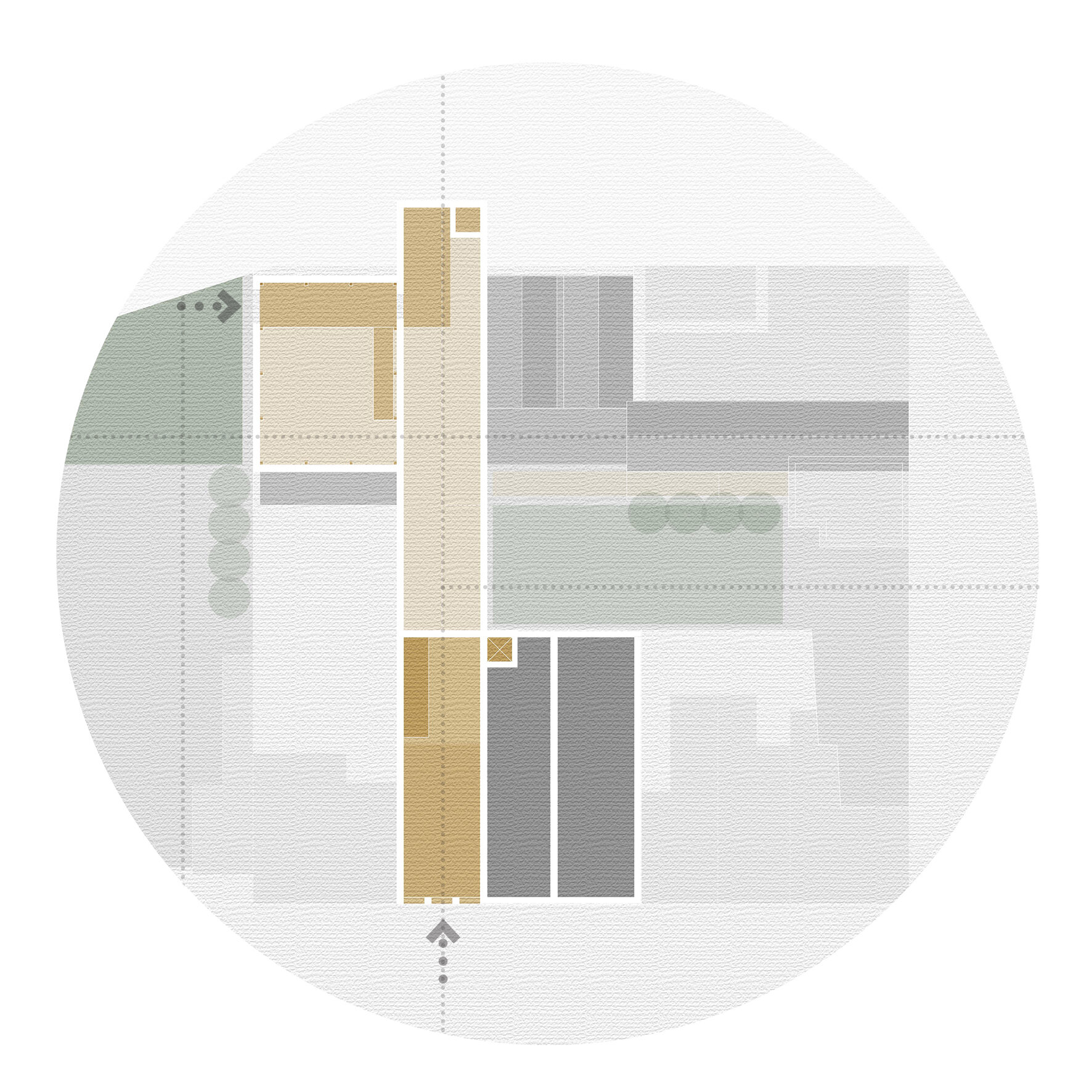
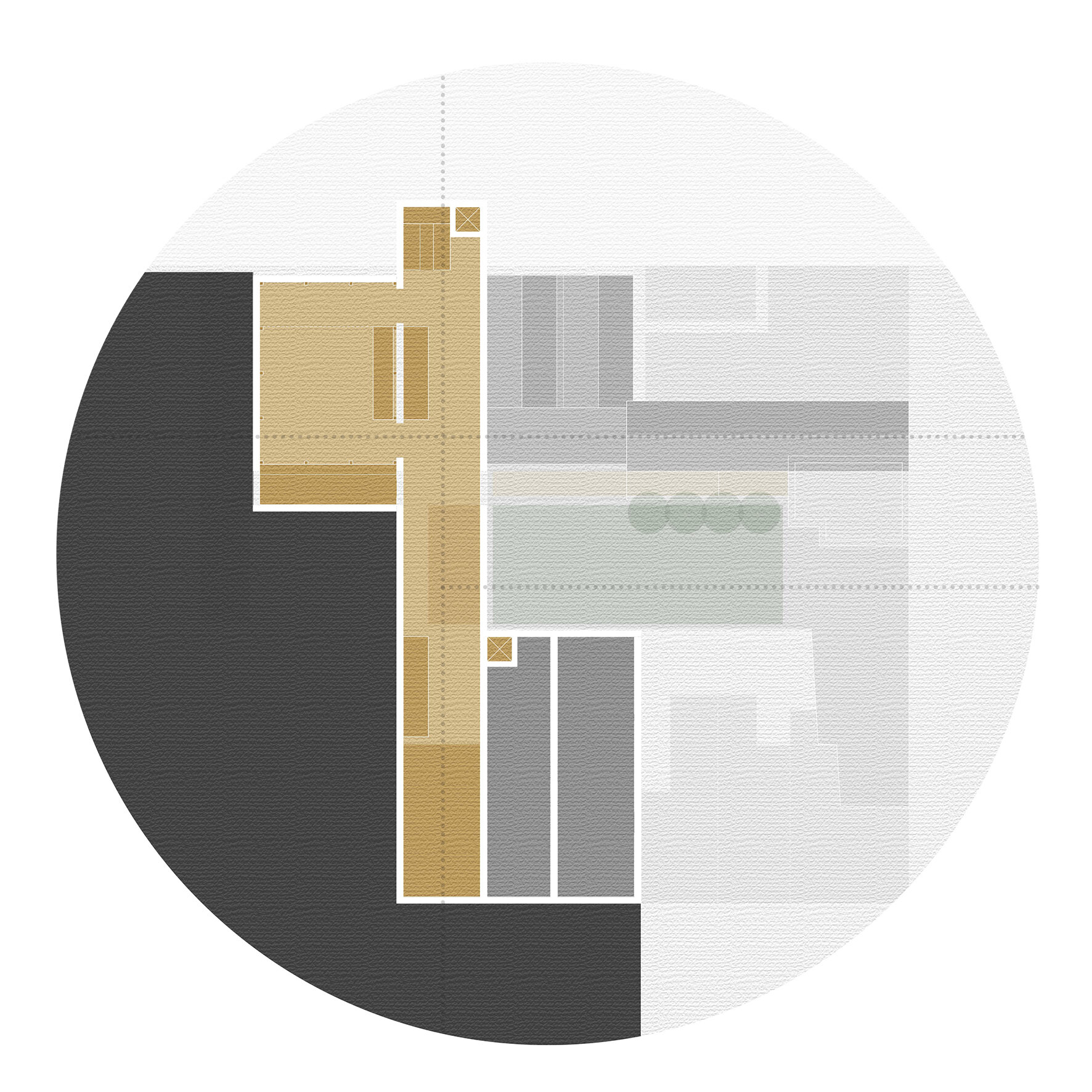
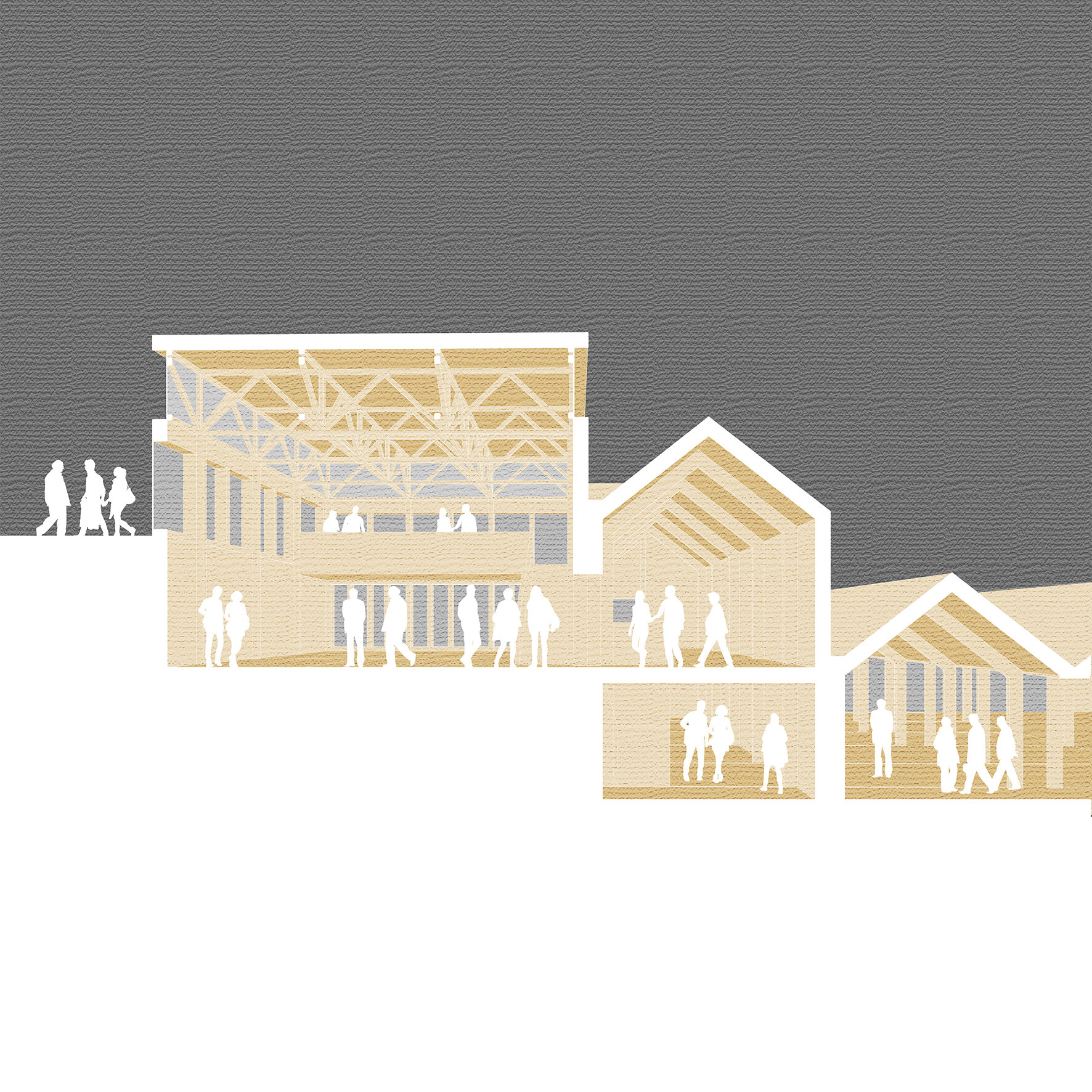
Connolly Wellingham’s proposal seeks to connect all elements of the site’s complex level changes with a single cascading circulation block, that we refer to as ‘the long gallery’; relieving the pressure on the existing listed buildings and unlocking full access to the heritage assets for the first time. This block forms the ‘connective tissue’ that unites the Henry Tudor heritage centre in the refurbished listed buildings at street level, with the Library and Archive overlooking the quiet central courtyard, and on down to the wide open public realm of the riverside.

The largest part of the site is carved out to make space for a double height ‘Tudor Hall’, housing café, temporary exhibition and events spaces, and enjoying direct access out to the Castle gardens to the west. The hall is crowned with a clerestory lantern, marrying traditional timber carpentry techniques with contemporary structural truss design, and playfully twisting the visual language of the gabled Tudor façade. 


RetroFirst


The Architects Journal has announced the launch of a campaign this week to lobby for the prioritisation of architectural retrofit over and above the more carbon intensive process of demolition and new build - as a means to further the objectives of the wider ‘Architects Declare’ movement to improve the carbon consumption of the construction industry. We have been highly enthused to read this week’s announcements and wholeheartedly endorse the ‘Retrofirst’ campaign ambitions; many of which have been formative in our own decision to found a studio with a focused expertise in creative reuse, refurbishment, conservation and the capitalisation upon the potential of existing fabric.

The responsibility of the construction industry for significant portions of the UK’s carbon emissions and resource consumption is widely acknowledged, as has the potential role of retrofit in meeting the country’s carbon reduction commitments (further reading: www.ukgbc.org/climate-change).  VAT tax exemption for new build contracts were introduced as part of a policy designed to reboot the construction industry following the 2008 financial crash, and to turbo-charge housebuilding to meet the UK’s targets for countering the on-going housing crisis. A negative side-effect of these well-meaning but short-sighted policies is the financial penalisation of retrofit schemes; which secure construction jobs and create homes just as readily, but through significantly more sparing low-energy means.

The AJ campaign is calling on Government to 1) reverse the VAT incentives to make retrofit the more economical first choice for developers, 2) to tailor National Planning Policy to prioritise schemes that upgrade and reuse existing stock, and 3) to steer the course of considerable public procurement toward retrofit solutions across the country.

Our philosophy at CWa has always been to reuse first, and we are proud to say that all of the projects currently on our books deal with sensitive refurbishment and the reuse or expansion of existing fabric. For us the benefits of reuse are as much about cultural legacy as they are about conservation of resources. We believe that the most enjoyable parts of our cities are those which have evolved through the accretion of countless phases of frugal adaptation, slowly acquiring a richness and authenticity that is impossible to replicate in the most diligently designed new building. Approaching our design practice from this starting point, we see work with existing fabric (of any age or quality) as the best way to preserve, improve and pass-on a meaningful ‘sense of place’.

Sadly much of the fabric constructed in our cities in the last 50 years is seldom given the chance to establish itself as part of that cultural identity, before it is razed to the ground and replaced by new higher density development - that is often only of very marginally improved appearance or utility. These existing buildings, although usually unloved by todays trends and tastes, have no hope for acquiring an aged legitimacy without the wear of good use, the care of regular upkeep, and frankly the time to grow old. Successful precedents abound of schemes that upgrade problematic mid-20th century buildings by slashing their energy consumption and improving their appearance both internally for users and residents and outwardly to the wider urban realm.

The need to densify our existing city centres is often cited as the insurmountable challenge of retrofit, and the carte-blanche upon which the UK’s recent tower building boom has been delivered. But again interesting projects are already unlocking the latent potential of our built environment, focusing on a slower paced and more evenly spread gradual increase in density - by developing in, on and around our existing building stock, rather than relying on the ‘silver bullet’ of single sites of conspicuous high-rise.

WeCanMake – establishing models for citizen-led housing development on micro-sites too small to interest more traditional market-led developers. https://wecanmake.org/

WeCanMake – establishing models for citizen-led housing development on micro-sites too small to interest more traditional market-led developers. https://wecanmake.org/

Skyroom – recently published a white paper exploring the provision of homes on London’s disused rooftops. https://riseup.skyroom.london/

Skyroom – recently published a white paper exploring the provision of homes on London’s disused rooftops. https://riseup.skyroom.london/

CWa support for this movement is twofold; we believe in the ethical responsibility of the construction industry to safeguard our existing resources, and we believe in the culturally enriching capacity of reuse to strengthen the authenticity of our towns and cities – no matter what the building. We would be very interested to collaborate with any building owners who would like to improve the environmental performance of their assets, whilst investigating opportunities for delivering increased density and the introduction of new complementary uses.

Charlie


A Year at Spike


This month, we celebrated our first full year at Spike Design, as well as cycle to work day. The latter has been a particularly big one for me, but more on that later...

I think its fair to say, we have loved our first year here. The arts, the workshops, the communities (the café!), form an incredible backdrop to our working life. It is a provocative, artistic, and “makerly” setting that enriches our work and practice as we continue to grow.

We receive clients, craftspeople, and students here: Always listening to one another, and collectively building learning, enthusiasm, and excitement for whatever we go on to do together. If Spike is anything, it is collaborative. If you are reading this and have never visited Spike Island - please consider this an open invite to pop in and see our space!

Through my work at the University of Bath, it was fun to see this year’s 4th year architecture students’ project was 400m from our studio too! There was some excellent work on show - very much stimulated by such an engaging site.

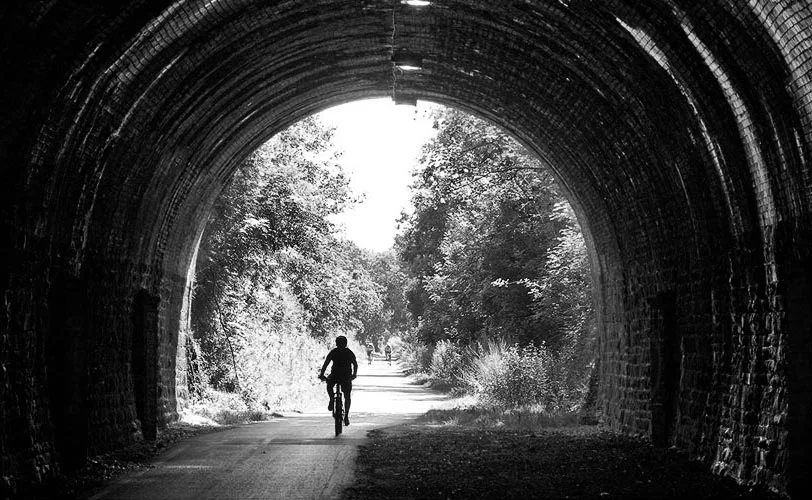
This past year has been a big change for me too: I have commuted to Spike by bike regularly right through the past 12 months. The excellent Bath – Bristol Cycle path is off the main road, snaking through some beautiful parts of city and countryside. Be they bright and frosty December mornings, or balmy July evenings, it is a pleasure. The ride is a good time to think of the day’s tasks, or design conundrums, or to just enjoy fleeting glimpses of jays, goldfinches, or foxes.

One Year 01.jpg
One Year 02.jpg

My bike computer says I’ve ridden nearly 6000km over the year. I definitely feel better for it- both mentally and physically; but more importantly I reckon that’s a saving of around three quarters of a ton of CO2 when compared to a commute by car. At least, that’s the heartening statistic I cling to, on those particularly cold, wet, and windy days…

Ferg


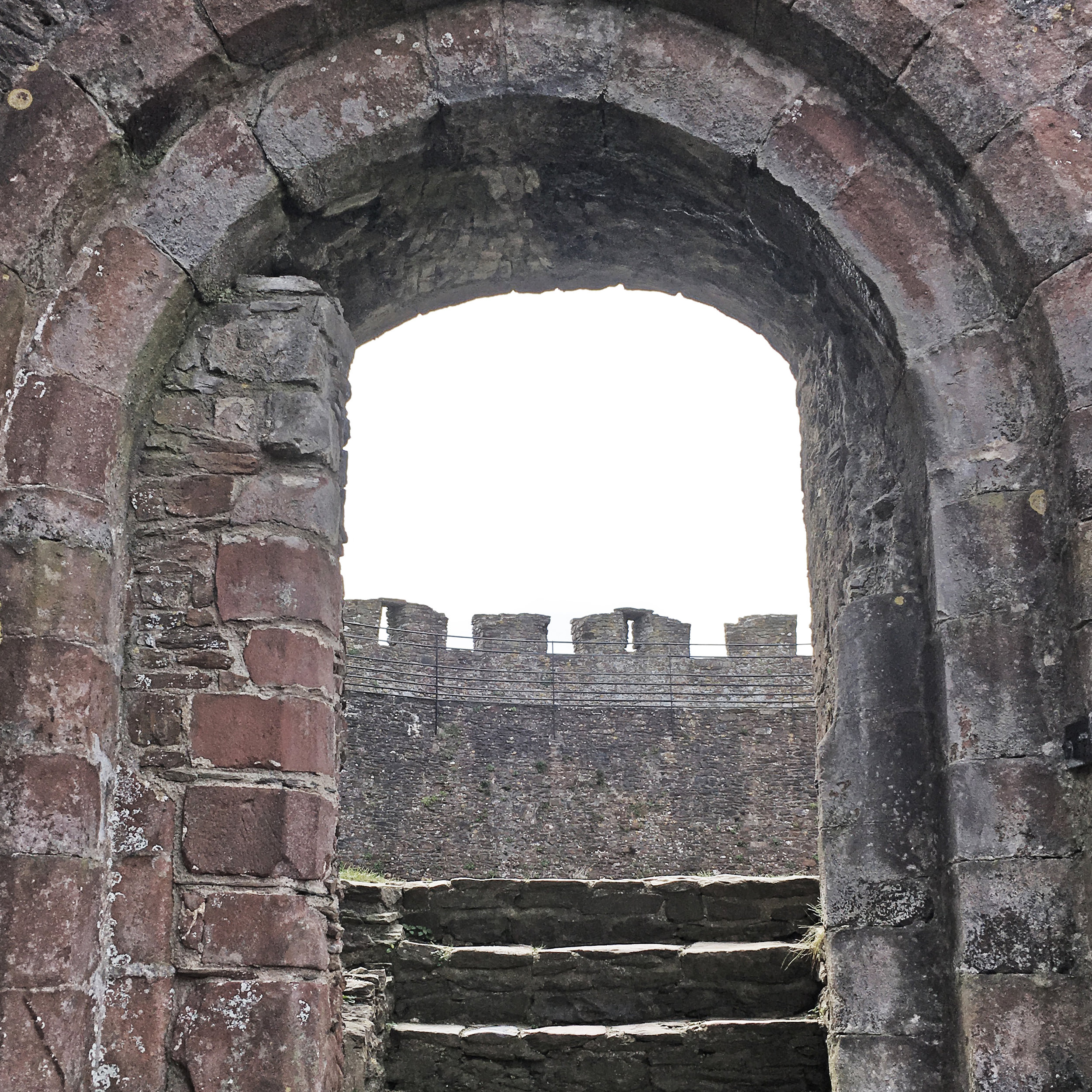
Totnes Castle


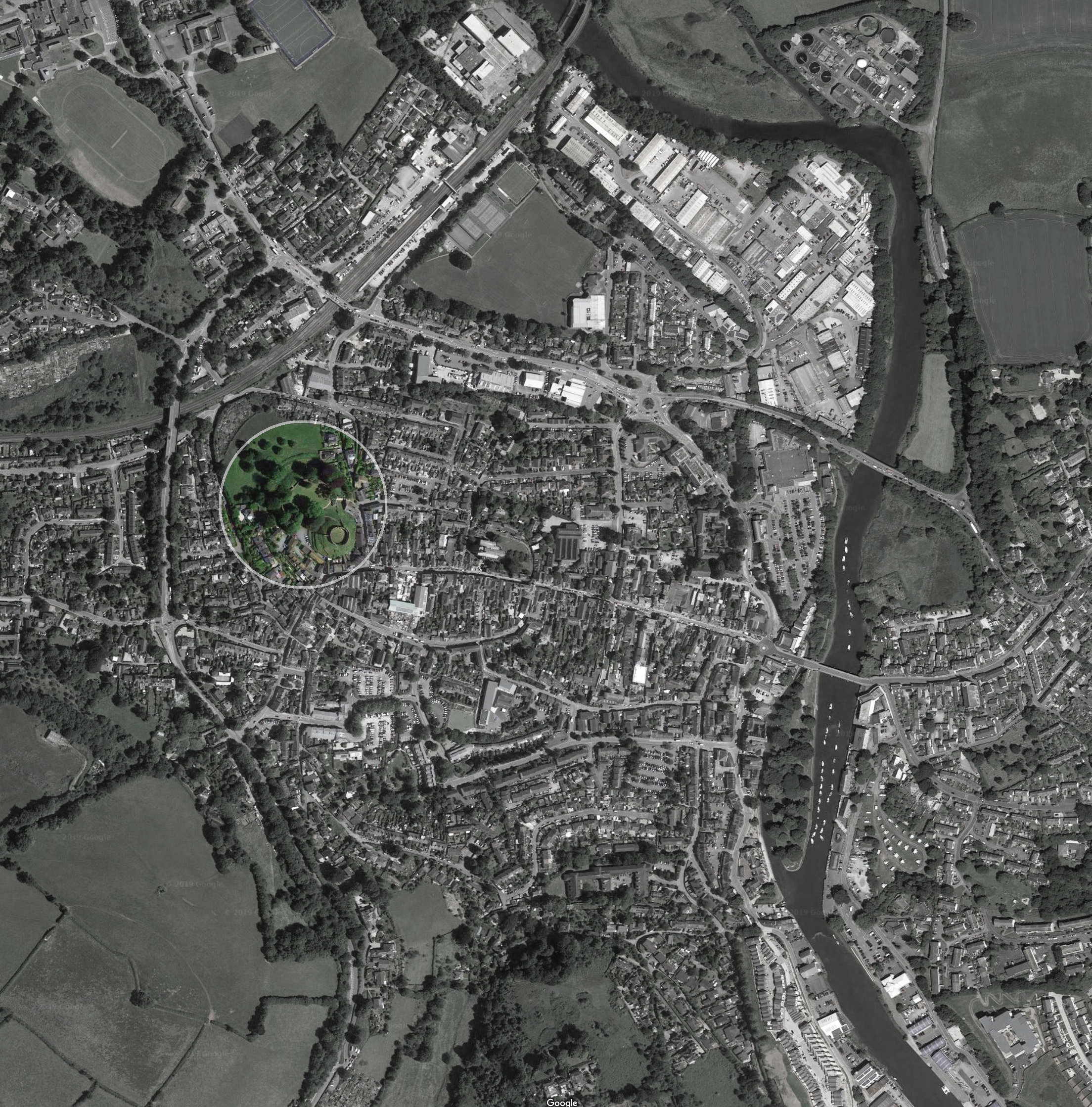
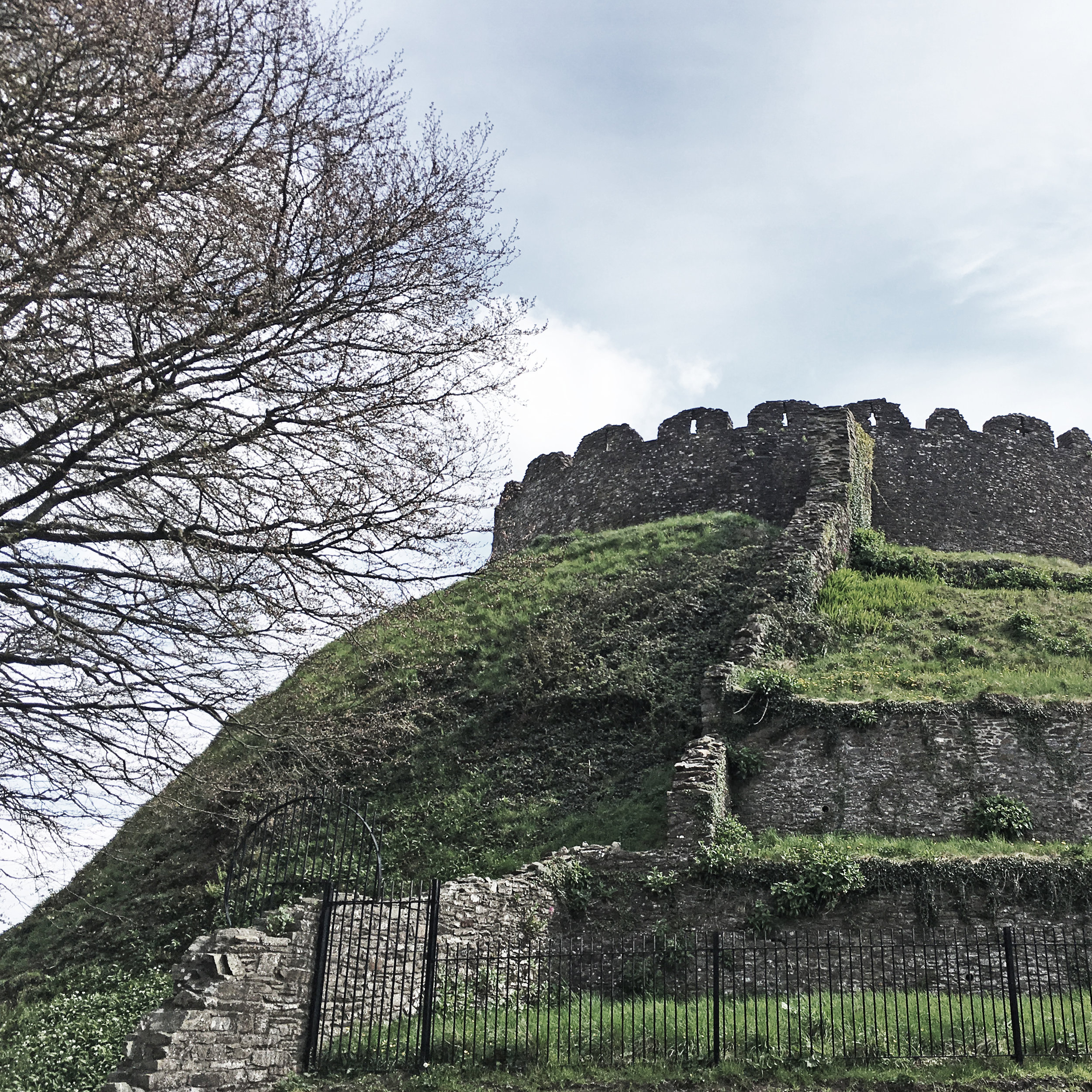
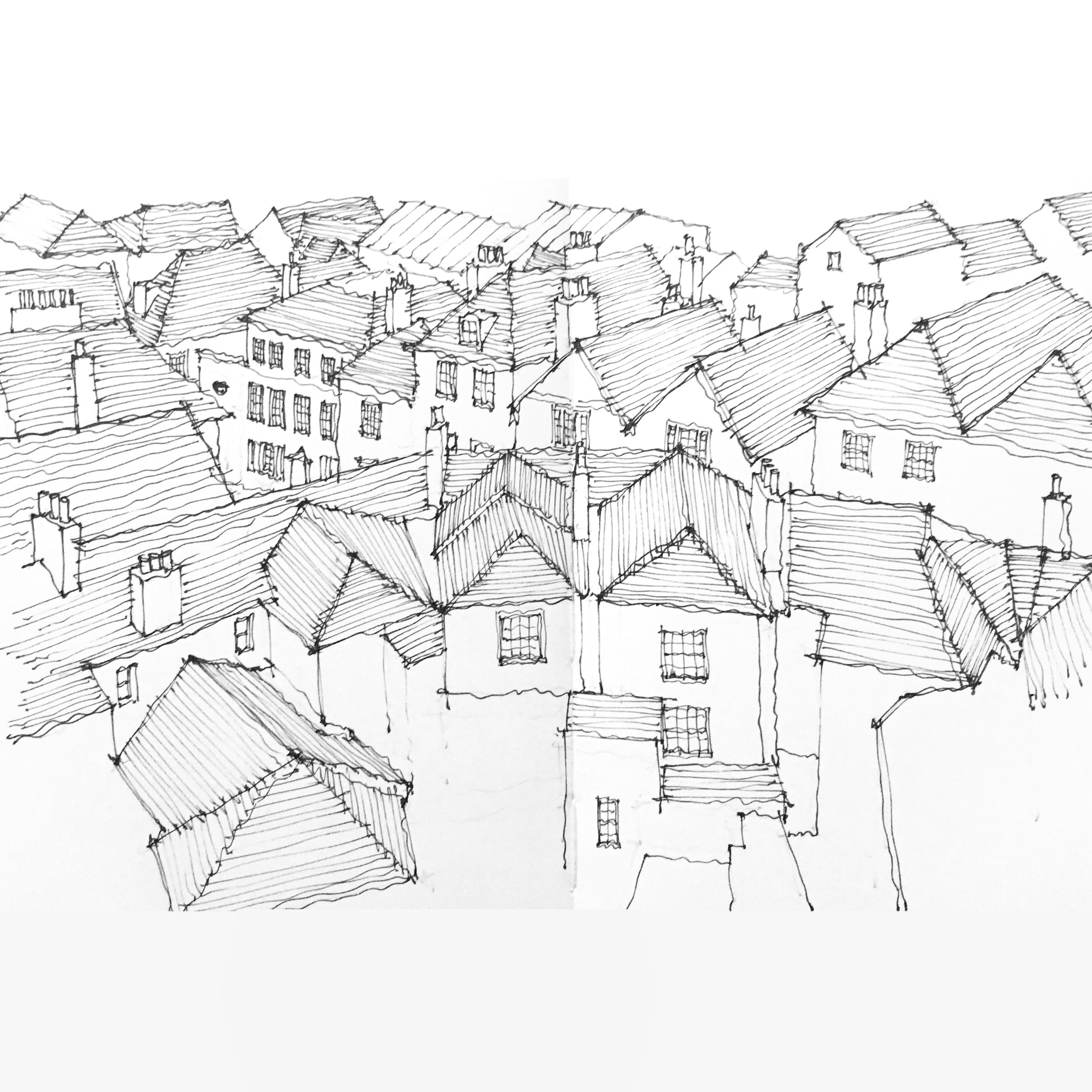
Connolly Wellingham have recently assisted English Heritage with the submission of Planning Permission and Scheduled Monument Consent at Totnes Castle. The castle is situated on a strategic promontory overlooking the River Dart, with sweeping views across the scenic valley. It was built 900 years ago during the Norman Conquest and it is a fine example of a motte-and-bailey castle, with a later stone keep.

We couldn’t resist the chance to sketch the rooftops of old town Totnes (just one of the amazing views from the top of the keep) during a day of surveying earlier this summer!

Charlie


Wish you were here


Connolly Wellingham were recently shortlisted for an appointment leading the conservation of historic shopfronts in Weston-Super-Mare’s Heritage Action Zone, covering the town’s Grove, High Street and Orchard Meadows districts. Although the team were disappointed not to be awarded the position, we very much enjoyed our time immersing ourselves in the architectural heritage of this Victorian seaside destination. We prepared these quick sketches to illustrate the wealth of character that we discovered on our exploratory visits through the town centre.

A4 page.jpg

Weston Super Mare is one of several coastal towns that are being increasingly recognised for their contribution to British heritage, whilst also being identified as being ‘at risk’ due to lack of appropriate protection and strategic vision over the last 30 years. Fortunately with initiatives like Historic England’s HAZ, these fortunes are being turned around. With many of these seaside towns in dire need of regenerative investment, the proposed conservation works aim to use the town’s heritage as the springboard from which to improve the prospects for a sustainable and culturally strengthened future.

The shopfronts of these destination towns are particularly significant to the glamour and atmosphere of their hey-days, as the physical faces designed to jostle with one another for the attention of the passing public. Bay windows and bowed frontages step out to greet the approaching pedestrians, whilst chamfered entrances and recessed niches pull them closer to the wares on display; the overall townscape is given a charmingly chaotic incoherence.

We wish Historic England the best of luck with their Heritage Action Zone and very much hope to work in this wonderful town in future!

Charlie